Friendship grows through small, supported chances to connect, not pressure to be popular. If you’re wondering how to help your lonely child make friends in North Brisbane, start by noticing changes in their mood or social habits, then make space for an honest, relaxed conversation. Four practical steps can help: recognise possible loneliness, ask about friendships, practise simple social skills and create opportunities to connect through activities your child enjoys.
It’s understandable to want to step in quickly when your child seems left out. Listening without judgement can help you understand what’s happening and reassure them they don’t have to solve it alone. You can also help them take manageable steps, such as starting a conversation or joining a shared activity.
This guide explains what to look for, how to ask about friendships and ways to support your child’s confidence as they build social connections. You’ll also see how a structured group activity can give children opportunities to practise teamwork, communication and respect alongside their peers.
Key Takeaways
- Look for changes in your child’s mood or social habits, and consider the context before drawing conclusions.
- Make friendship check-ins relaxed and non-judgemental so your child can share what’s going well and what feels difficult.
- Help your child practise small social steps, such as starting a conversation or suggesting a way to resolve a disagreement.
- Consider an activity your child enjoys, including an age-appropriate Taekwondo program, as one way to connect with peers.
1. Companionship and meaningful social engagement
Meaningful companionship grows through shared moments, not simply being near other children. A child who enjoys drawing might connect more easily while making art than during an unstructured playground visit. Start with an activity linked to your child’s interests, then notice whether they seem comfortable joining in, taking turns or talking with another child.
Free or low-cost playgroups and activities may be available around North Brisbane, though fees and arrangements vary. Look for local playgroups, library sessions and community activities, and review the details before attending. A short, familiar activity may feel more manageable than a full day of organised events.
To find age-appropriate activities near your suburb, search by location and your child’s age, then compare options with their interests and confidence. A young child who likes stories may prefer a group reading session, while an older child may enjoy a shared hobby or sport. Start with one option and give your child time to settle in.
Brisbane City Council libraries and community centres can be useful places to find children’s social programs. Look through local listings for story activities, crafts or group play, and choose an option that suits your child’s age and interests. Ask which activity they’d like to try instead of choosing for them.
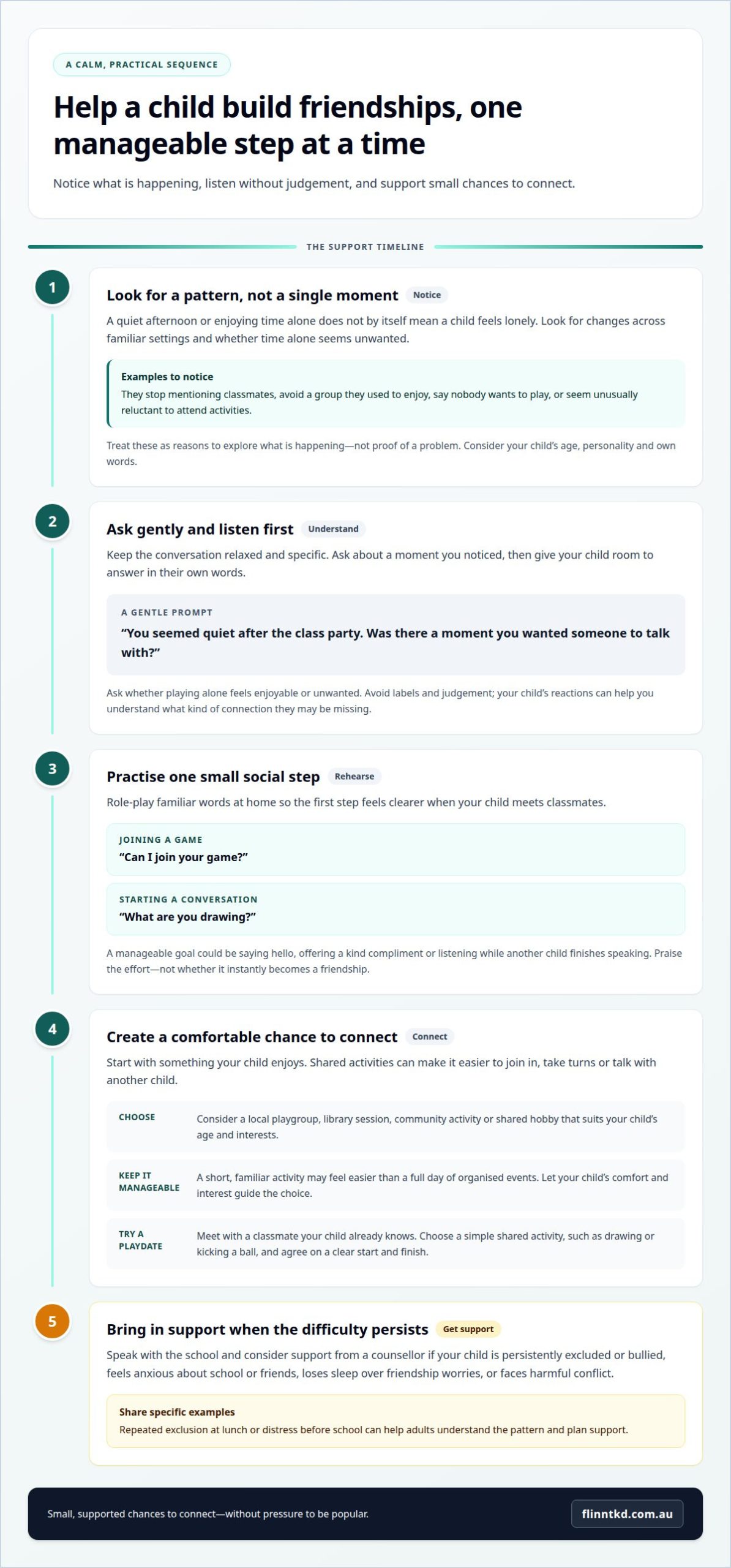
To arrange a playdate, suggest a short meet-up with a classmate your child already knows. Offer a simple shared activity, such as drawing or kicking a ball at a nearby park, and agree on a clear start and finish. You can connect with the other family through a school or community contact and keep the first visit relaxed.
Keep safety central as you build these connections. If you believe a child is in immediate danger, phone Triple Zero (000), according to Queensland Government. For ordinary friendship worries, take one practical step at a time, such as exploring a local activity together or arranging a brief playdate.
2. Helping children who are struggling socially
Start with one small social skill and practise it together at home. You might role-play how your child could say, “Can I join your game?” or start a conversation by asking, “What are you drawing?” Rehearsing familiar words can make the first step clearer when they meet classmates.
For a shy child, set a manageable goal: say hello to a peer, offer a kind compliment or listen while another child finishes speaking. Don’t expect an instant friendship. Praise the effort, such as trying a greeting, rather than measuring success by whether the other child responds warmly.
Friendship skills also include handling disagreements and respecting boundaries. If a seven-year-old’s toy is damaged during play, practise saying, “I feel upset because it broke. Can we fix it together?” Talk about how a good friend shows empathy, includes others and respects a clear “no”. These examples help children look after their wellbeing while remaining open to connection.
If your child is persistently excluded or bullied, feels anxious about school or friends, loses sleep over friendship worries, or faces harmful conflict, speak with the school and consider support from a counsellor. Share specific examples, such as repeated exclusion at lunch or distress before school, so adults can understand the pattern and plan support.
Keep home conversations calm and specific. Instead of telling your child to “be more confident”, ask what happened during a particular game and what they might try next time. If they want to practise social interaction in a structured activity, children’s martial arts can give them a setting to take part alongside peers. Let your child’s comfort and interest guide that choice.
3. Recognising loneliness in children
Look for a pattern, not one quiet afternoon or solitary activity. A child may enjoy reading alone, then feel disappointed when nobody includes them at lunch. Notice whether they seem distressed about missing company instead of assuming that time alone means loneliness. Their own words and reactions offer useful clues.
Pay attention to changes across familiar settings. Your child might stop mentioning classmates, avoid a group they once enjoyed, or regularly say nobody wants to play. They may also seem withdrawn after school events or become unusually reluctant to attend activities. Treat each example as a reason to explore, not proof of a problem.
Age can shape what friendship means. Younger children often see friends as playmates, so they may describe loneliness through missed games or not having a partner. Older children may value trust and sharing thoughts, and feel isolated even while spending time with peers. Ask what companionship means to your child, considering their stage and personality.
Compare what you notice at home with what happens at school or activities. A child who talks freely about one classmate but feels left out during group work may be struggling in a particular setting. Note specific examples, such as avoiding lunch conversations, then discuss your observations calmly with your child.
Explore the concern with curiosity rather than labels. Try a gentle prompt tied to something you observed: “You seemed quiet after the class party. Was there a moment you wanted someone to talk with?” Give your child room to answer in their own words. If they say they prefer playing alone, ask whether that feels enjoyable or unwanted.
Meaningful friendships support children’s wellbeing, sense of belonging and emotional support. A supportive peer can also help a child feel less alone when difficulties arise. Notice whether your child has someone they trust, enjoy spending time with, or can approach during a hard moment. Those details help you understand what kind of connection they may be missing.
Checking in about friendships
Make friendship conversations part of everyday family routines, rather than a formal interview. After school, ask, “Who did you enjoy spending time with today?” or “What did you like doing together?” Specific prompts help your child recall moments instead of answering a broad question like “How was school?”
Choose a relaxed setting that suits your child. While drawing, playing chess or throwing a ball, ask whether anything feels difficult in their friendships. A shared activity can make it easier to talk. Stay curious, and let your child finish before offering advice or suggesting a solution.
Listen for the feeling behind the story. If your child says, “Nobody picked me for their team,” try reflecting, “You felt left out when teams were chosen.” Then ask what happened next and what they wanted to happen. Avoid criticising classmates or rushing to solve the problem. Your child may need to explain the whole situation first.
Build active listening into everyday family moments, such as dinner or a car ride. Take turns explaining a favourite game, then ask each other to repeat the main point before replying. This helps your child practise listening to peers, too. Regular, respectful conversations can help you understand their social network and identify where they feel included or isolated.
Use what you learn to agree on a practical next step. If your child mentions enjoying time with a particular classmate, discuss inviting them to play. If they describe repeated friendship difficulties at school, ask what support would feel useful and consider talking with the school. Follow up later to hear how it went.
For children who’d benefit from practising communication and teamwork alongside peers, explore structured social activities as one possible next step.
Flinn Taekwondo Academy
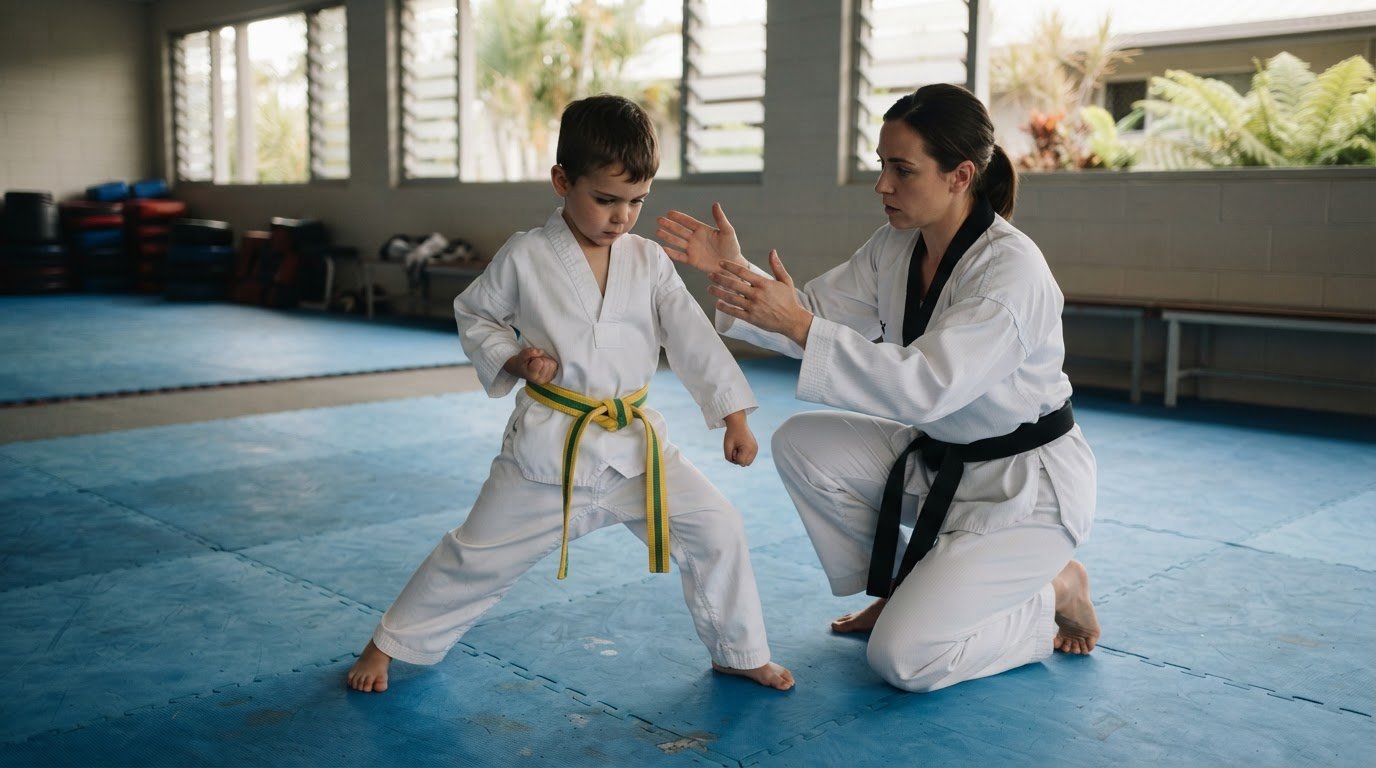
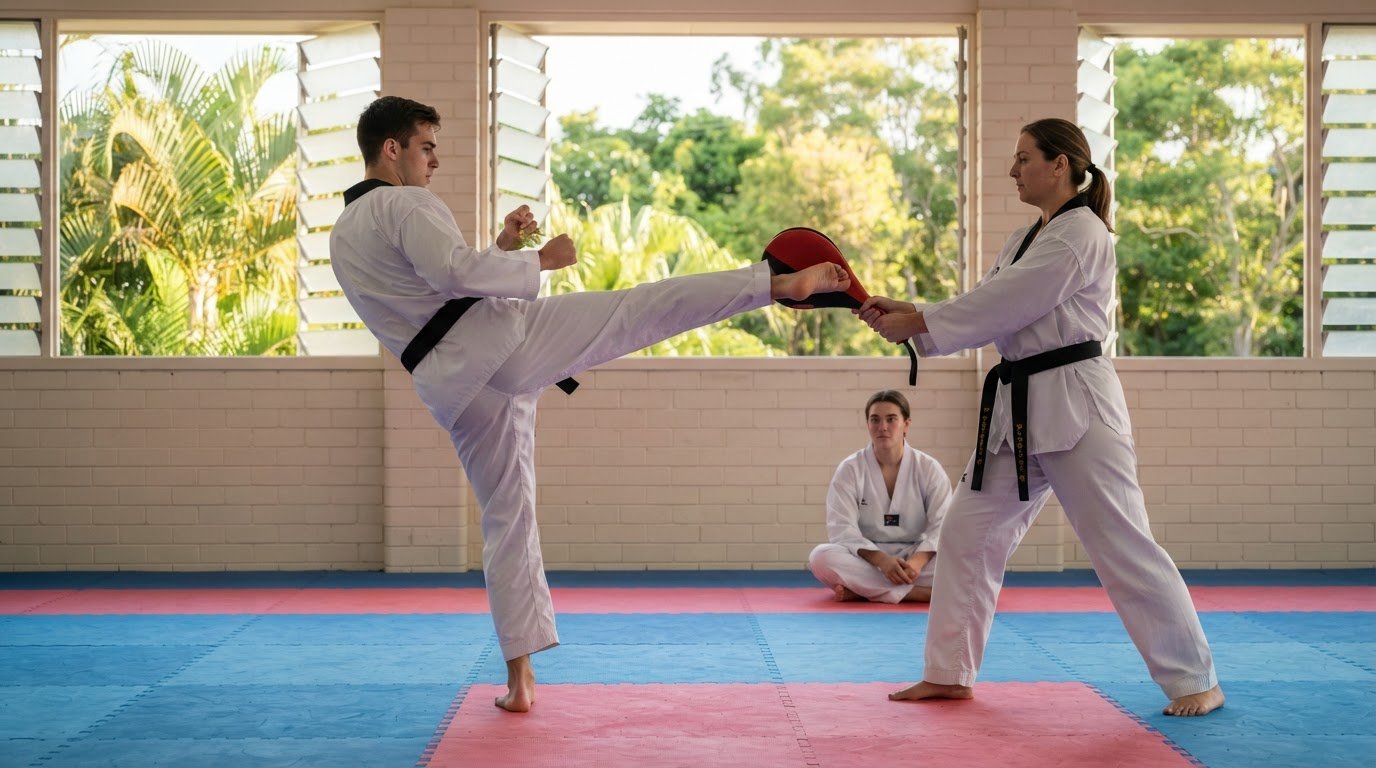
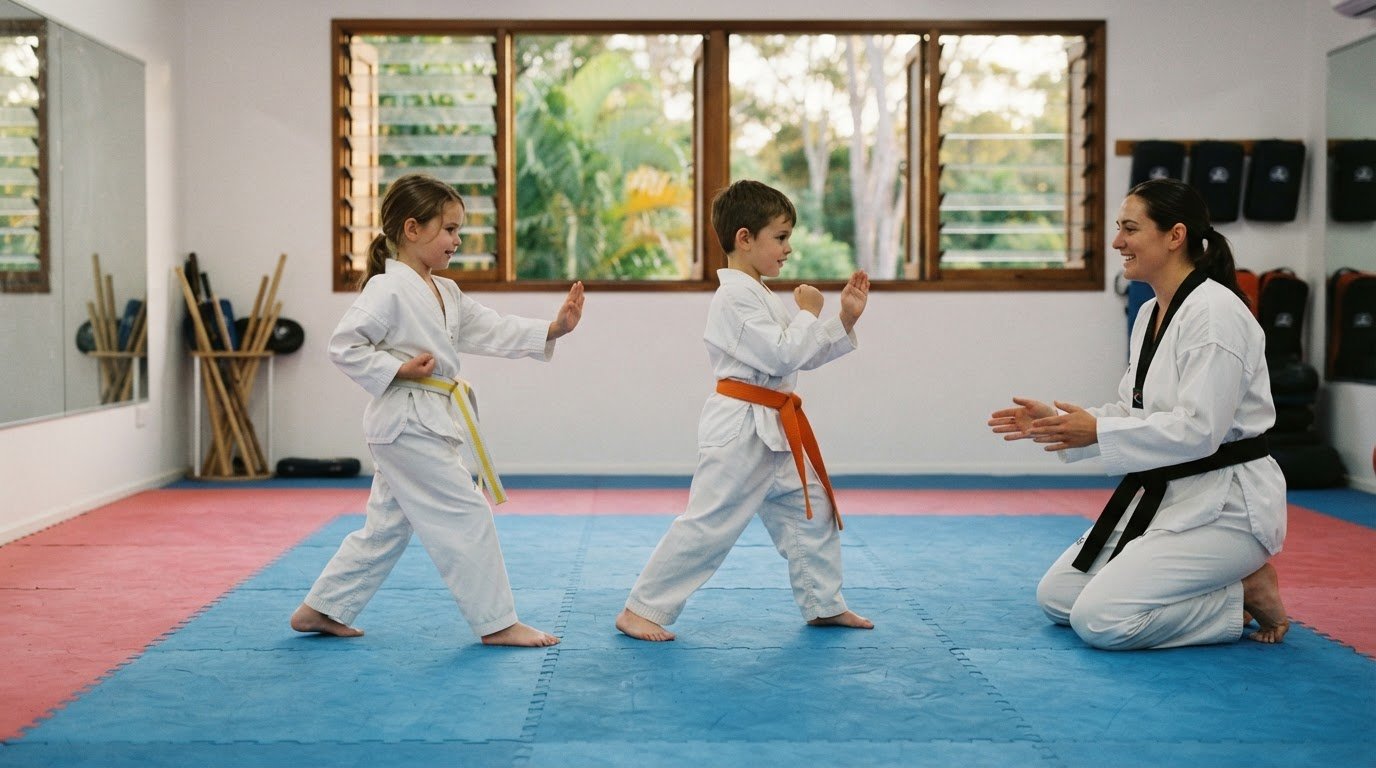
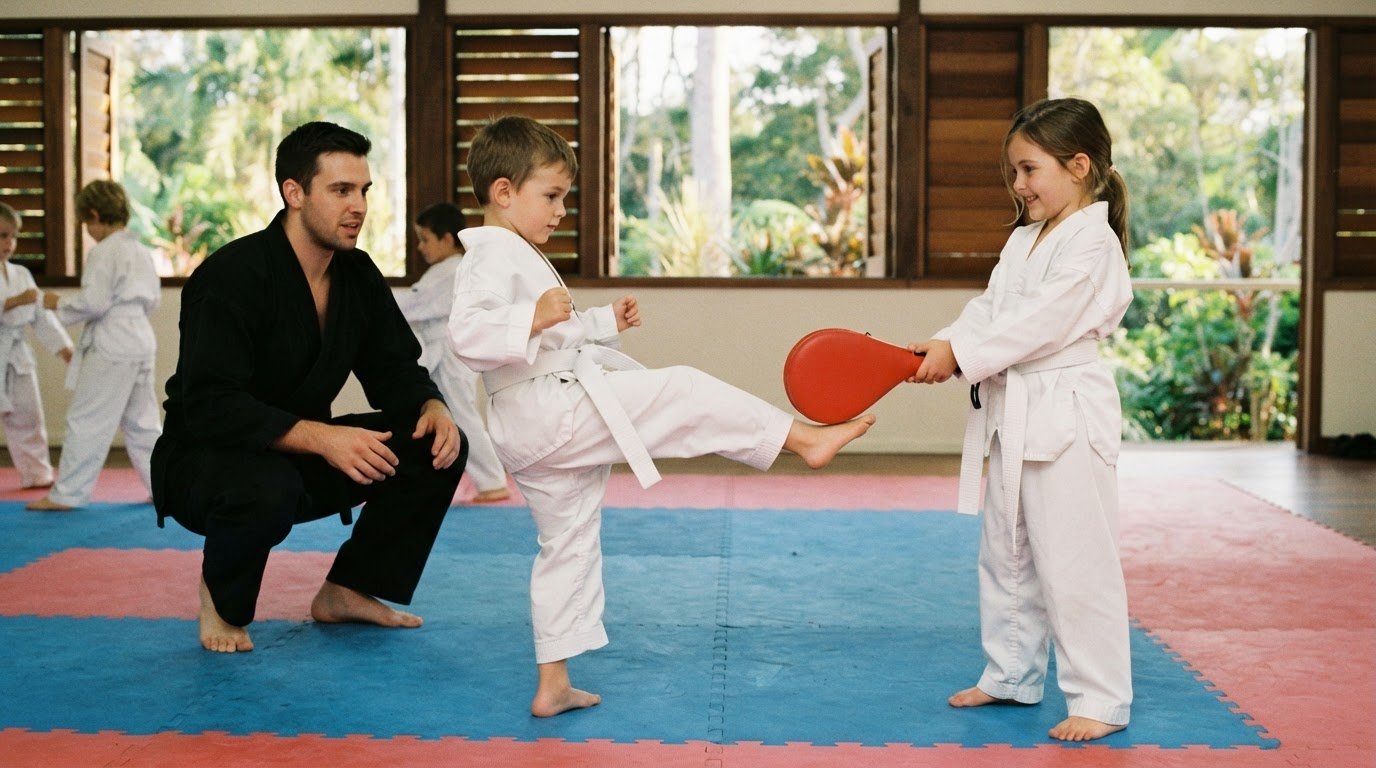
Flinn Taekwondo Academy offers structured Taekwondo training in North Brisbane for children who could benefit from practising alongside peers. Shared routines, movement and skill-building give your child regular opportunities to participate, communicate and develop confidence in a group setting.
Choose an age-appropriate pathway: the Little Tigers Program is for children aged 4-6, and the Junior Taekwondo Program is for ages 7-12. The Senior & Adult Taekwondo Program is for participants aged 13 and over. These programs may suit families looking for an active social setting alongside their child’s other friendship-building steps.
Taekwondo isn’t a replacement for support from school or a counsellor when a child faces persistent exclusion, bullying or anxiety. However, if your child is interested in martial arts, it can be a structured activity to explore. Flinn Taekwondo Academy offers a free trial, a free uniform for new starters and two free classes on sign-up, with no joining fee.
Take the next step at your child’s pace
Building connection is a process, not a test your child has to pass. Choose a manageable next step together, then give them room to share how it felt. If you’re deciding how to help your lonely child make friends in North Brisbane, let their interests and comfort guide the pace. A supportive activity can offer a fresh setting to practise participation, confidence and teamwork without making friendship an expectation.
Flinn Taekwondo Academy provides children’s Taekwondo programs in North Brisbane for families exploring a structured group activity. A free trial is a simple way to see whether training feels like a suitable next step for your child. Keep listening, notice their small efforts and adjust your approach as their needs change.
Contact Flinn Taekwondo Academy to discuss your child’s next step. Every small effort can help create room for connection.
Frequently Asked Questions
What are practical ways to help a lonely child make friends?
If you’re wondering how to help my lonely child make friends in North Brisbane, build on a connection your child already feels comfortable with. Ask which classmate they enjoy spending time with, then suggest a shared activity, such as building a model or making up a game. Afterwards, ask what felt comfortable and whether they’d like to meet again. Let your child’s response guide the next step.
What local friendship groups and social activities are available for children in North Brisbane?
North Brisbane families can look for playgroups, library activities, community-centre programs and neighbourhood events. Brisbane City Council library and community-centre listings are a practical starting point, and school notices can also flag nearby groups. To decide how to help my lonely child make friends in North Brisbane, consider whether they prefer a guided session, like a craft activity, or a relaxed group where they can watch before joining.
Where can North Brisbane children join sports, arts, Scouts, or other clubs?
Look for local options through school newsletters, community noticeboards and suburb-based activity listings. Search for sports, music, visual arts, Scouts and other interests so your child can consider activities they genuinely enjoy. A good fit depends on their age, the group format and how easily your family can attend regularly. Invite your child to help choose which activity to explore first.
What should parents do if a child is being excluded, bullied, or struggling socially at school?
Contact the school and describe specific incidents, including where they happened and how they affected your child. Ask the teacher what support can be put in place during the relevant parts of the school day, then agree on a time to review progress. If exclusion, bullying or anxiety persists, consider speaking with a counsellor. Include your child in deciding which trusted adults they want beside them.