Chasing a ball across a chaotic field doesn’t automatically teach your child how to listen, manage big emotions, or respect authority. When exploring sports that teach discipline and respect Brisbane parents quickly notice that casual weekend leagues often treat personal character development as an afterthought. You want far more than just an hour of burned energy; you want a dedicated training environment that reinforces the manners, focus, and resilience you nurture at home.
You know how exhausting it feels to battle constant screen distractions and repeat simple instructions every single afternoon. In this 2026 guide, you’ll discover the premier Brisbane athletic pathways designed to instill genuine focus, school readiness, and mutual respect in children and teens. We’ll examine which disciplines provide structured mentorship over casual recreation, showing you exactly how to choose an academy with accredited role models who help your child listen actively, stand tall, and thrive in everyday life.
Key Takeaways
- Discover why traditional martial arts outrank recreational leagues when evaluating the top sports that teach discipline and respect Brisbane families turn to for lasting character development.
- Learn how structured training directly counters screen fatigue and short attention spans by instilling emotional self-regulation, active listening, and mutual respect.
- Uncover the essential vetting checklist for local clubs, including instructor credentials, Child Safe standards, and positive behavioral mentorship that never relies on shouting.
- Explore how age-tailored martial arts programs turn personal goal-setting and belt progression into real-world school readiness, manners, and quiet confidence.
Why Discipline and Respect Matter in Brisbane Youth Sports
Modern family life across South East Queensland moves at a relentless pace. Between algorithm-driven tablet screens, hurried school drop-offs, and playground tensions, children frequently face sensory overload. This digital overstimulation fractures concentration, leaving kids restless and easily frustrated. When searching for effective sports that teach discipline and respect Brisbane parents often look beyond physical exercise. They want a proven framework that shapes their child’s mindset.
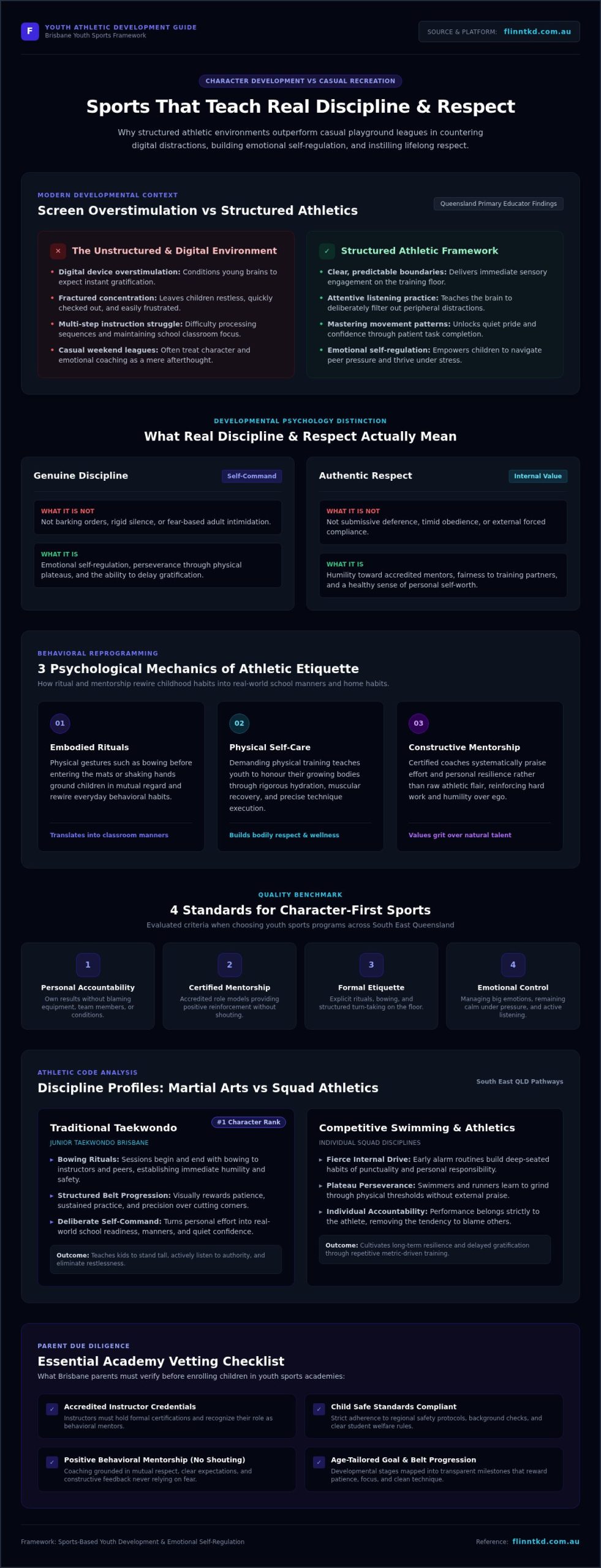
True discipline in youth athletics is not about barking orders or enforcing rigid silence. In developmental psychology, discipline represents emotional self-regulation, perseverance through physical plateaus, and the ability to delay gratification. Respect operates along the same axis. It is not submissive deference; it is genuine humility toward mentors, fairness to training partners, and a healthy sense of personal self-worth. Academic frameworks around sports-based youth development show that physical training only builds lasting character when ethical principles are deliberately woven into every drill.
The Crisis of Attention and the Need for Structure
Queensland primary educators frequently report that incoming students struggle to process multi-step instructions and maintain classroom focus. Digital devices condition young brains to expect instant stimulation. When tasks require patient repetition, kids check out. Structured athletic environments provide the exact antidote: clear, predictable boundaries. Inside a well-run academy, drills demand immediate sensory engagement. Listening carefully to an instructor, waiting your turn on the mats, and mastering a complex movement pattern teaches the brain to filter distractions. Children quickly discover the quiet pride that comes from staying engaged and completing challenging tasks.
How Real Respect Differs from Mere Compliance
There is a massive difference between fear-based obedience and intrinsic respect. Intimidation might force a child to stand still, but it breeds resentment and anxiety. Authentic respect flourishes through positive reinforcement and clear peer accountability. Consider the psychological mechanics of athletic etiquette:
- Embodied rituals: Traditional physical gestures, such as bowing before stepping onto the training floor or shaking an opponent’s hand, physically ground children in mutual regard. These rituals rewire behavioral habits, translating seamlessly into classroom manners and polite home habits.
- Physical self-care: Demanding movement teaches kids to honour their growing bodies through hydration, recovery, and clean technique.
- Constructive mentorship: When certified coaches praise effort and personal resilience rather than natural athletic flair, young participants learn to value hard work over ego.
By shifting the focus from external compliance to personal pride, high-calibre sports that teach discipline and respect Brisbane programs give young people the mental tools to navigate peer pressure and thrive under pressure.
The Top 5 Sports That Teach Discipline and Respect in Brisbane
To identify the top athletic codes across South East Queensland, we evaluated each activity against four critical standards: personal accountability, certified instructor mentorship, formal etiquette, and emotional self-control. While recreational play burns physical energy, research from the Aspen Institute highlights that character development and delayed gratification represent the key positive traits parents believe youth athletic participation should deliver. When evaluating sports that teach discipline and respect Brisbane families quickly discover that deliberate, structured coaching outperforms casual playground games every single time.
1. Traditional Martial Arts (Taekwondo)
Traditional Taekwondo sits at the top of character-focused development. Every session begins and ends with bowing to instructors and training partners, establishing an immediate atmosphere of humility, safety, and focus. You don’t see kids cutting corners here. Structured belt progression visually rewards patience, consistent practice, and attention to detail. If your child needs help building self-command and attentive listening habits, dedicated pathways like Junior Taekwondo Brisbane programs turn personal effort into visible life skills.
2. Competitive Swimming and Athletics
Swimming squads and track athletics build fierce internal drive. Early alarms at local Brisbane pools demand grit before sunrise. Swimmers learn to respect the cold honesty of the stopwatch; personal bests require technical precision, lap endurance, and strict lane etiquette. While swimming instills solo accountability, it doesn’t offer the interpersonal etiquette, bowing traditions, or vocal peer encouragement found on martial arts mats.
3. Gymnastics, Rowing, and Traditional Team Sports
Gymnastics instills laser-focused body control and strict apparatus safety rules. Young gymnasts learn quickly that rushing a routine leads to failed landings. Along the Brisbane River, rowing programs demand total crew synchronicity, teaching teenagers to sacrifice individual ego for boat cohesion. Meanwhile, field codes like rugby, soccer, and cricket teach camaraderie and resilience under pressure. However, team sports rely heavily on volunteer parent-coaches, which means ethical mentorship can vary drastically from field to field.
For families seeking structured values backed by professional coaching standards, scheduling a session at Flinn Taekwondo Academy provides a first-hand look at how a time-tested martial arts environment reinforces respect at home and in the classroom.
Taekwondo vs. Conventional Sports: The Character Building Difference
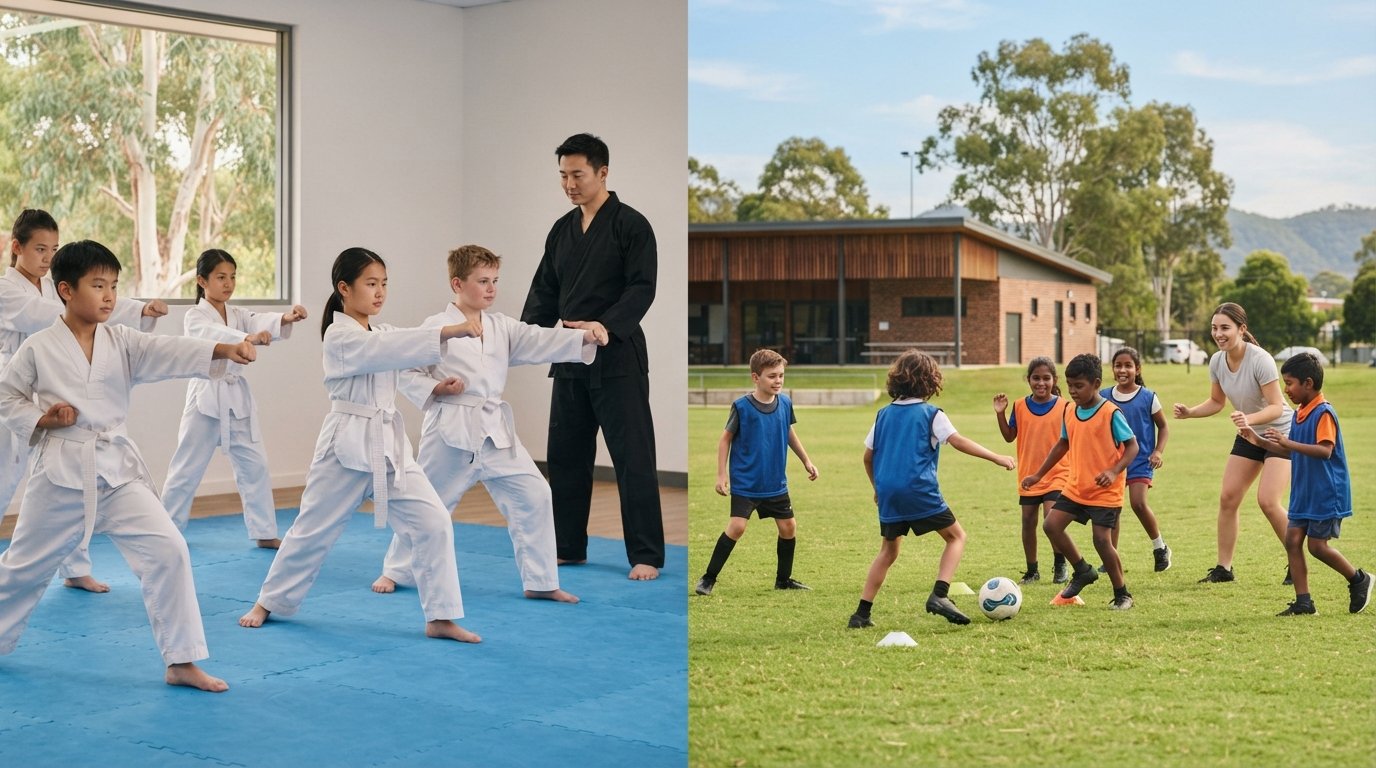
Most Saturday morning field codes evaluate success through external outcomes: beating a rival team, scoring a goal, or hoisting a trophy. When a child’s entire sporting identity depends on defeating an opponent, frustration often takes over when things go wrong on the scoreboard. Taekwondo flips this competitive dynamic on its head. Here, progress is measured entirely through self-mastery, emotional poise, and mental grit. While many activities claim to belong among the premier sports that teach discipline and respect Brisbane parents quickly see that traditional martial arts integrate moral character into every single minute of training.
The Five Tenets: A Built-In Code of Conduct
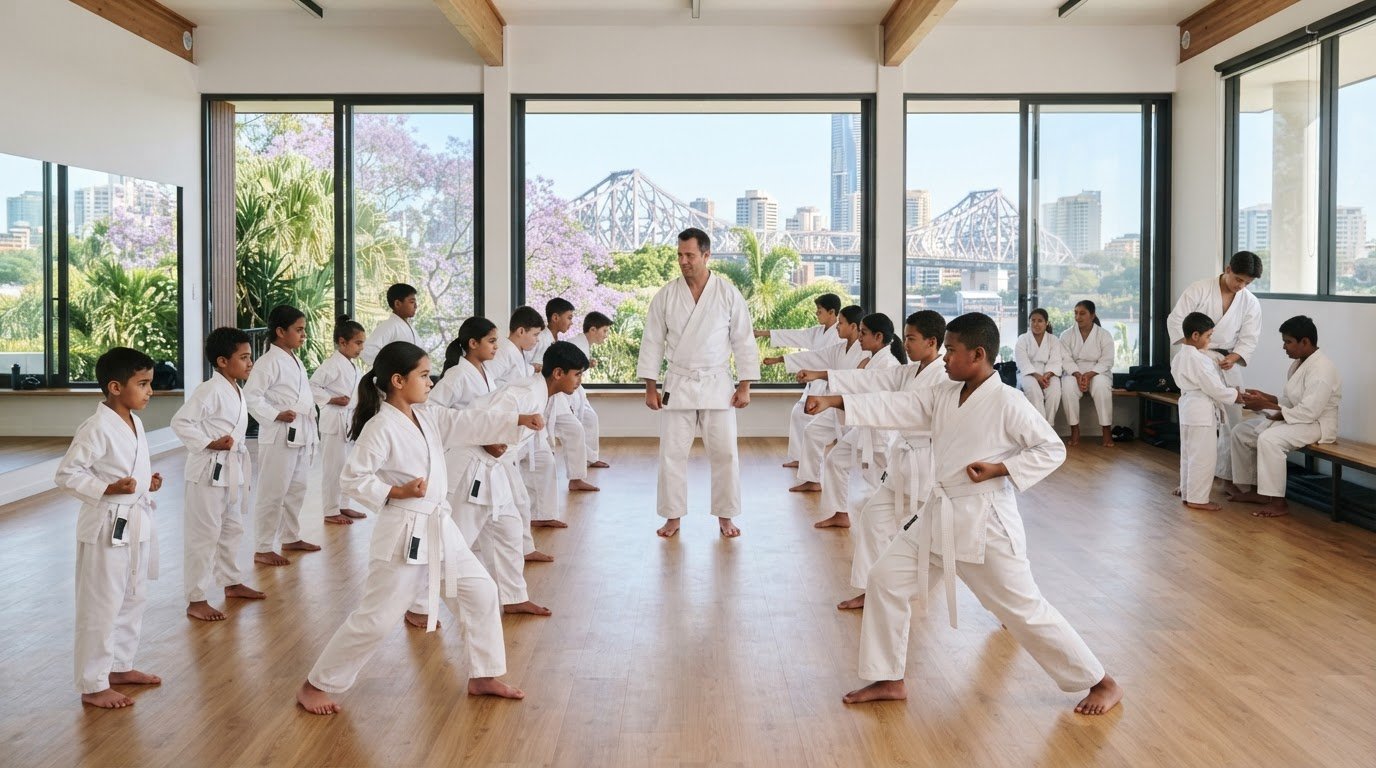
Rather than leaving behavioral lessons to chance, traditional Korean martial arts anchor every movement to five central pillars: Courtesy, Integrity, Perseverance, Self-Control, and Indomitable Spirit. Students don’t just memorize these words; they embody them on the mats. Bowing before stepping onto the training floor teaches immediate humility. Standing motionless in ready stance demands impulse control. Partner drills require students to calibrate their power, protecting their peers while mastering technical strikes. Programs like Taekwondo Classes North Brisbane use this structured code to help children channel excess energy into calm, thoughtful focus that prevents playground conflict.
Individual Accountability in an Encouraging Community
In ball sports, a disengaged child can hide in the outfield or sit on the interchange bench while star players dominate the play. Martial arts eliminates benchwarmers entirely. Every child remains physically and mentally active for the entire session. This setup delivers several profound developmental advantages:
- Universal participation: Your child works through every single repetition, learning that personal effort dictates personal growth.
- Earned belt advancement: Rank progression cannot be inherited or won through raw athletic genetics alone. Grading panels demand technical accuracy, mental focus, and respectful conduct. Passing a rigorous belt test builds authentic resilience under pressure.
- Mentorship in action: As students advance, they are tasked with guiding newer white and yellow belts. Teaching a beginner requires patience, active listening, and empathy, turning energetic kids into calm, natural leaders.
This balance of personal accountability and community encouragement transforms high-level training into one of the most transformative sports that teach discipline and respect Brisbane has to offer.
What Brisbane Parents Should Look for in a Character-First Academy
Selecting the right facility requires looking beyond glossy brochures and timetable convenience. Because sports that teach discipline and respect Brisbane wide vary significantly in quality, you need a systematic method to evaluate any club before enrolling your child. Use this practical five-step checklist during your initial facility visit:
- Verify credentials and safeguarding: Confirm that head instructors hold internationally recognized Black Belt certifications and verified Queensland Blue Cards. Legitimate academies operate with total transparency regarding instructor lineage.
- Observe behavioural correction: Watch how instructors respond to distracted or restless children. Exceptional coaches guide students back to task through clear verbal cues and calm redirection, never through shouting, sarcastic remarks, or shaming.
- Assess developmental curriculum: Ensure classes are segmented strictly by age and emotional maturity rather than grouping four-year-olds with pre-teens.
- Inspect facility safety: Look for seamless, high-density impact matting, spotless sanitation, and well-maintained protective equipment for technical drills.
- Confirm clear progression: Ask how students advance. Reliable academies maintain clear, written advancement standards so children understand exactly what habits and skills earn their next rank.
Instructor Pedagogy and Family-Friendly Culture
The best instructors view themselves as mentors who partner with your household. They set firm physical standards while offering warm encouragement. When evaluating local clubs, ask whether instructors check in about school effort and home routines. If you want a detailed roadmap for assessing local training halls, our guide on Finding the Best Martial Arts Near Me breaks down the exact questions to ask club owners during your tour.
Age-Appropriate Programs That Match Child Development
Children develop distinct neurological and physical needs as they grow. A four-year-old learning foundational balance requires vastly different instruction than a twelve-year-old preparing for high school:
- Ages 4 to 6: Training should prioritize gross-motor coordination, directional awareness, taking turns, and responsive listening to adult instructions.
- Ages 7 to 12: Sessions should focus on technical precision, personal boundary setting, non-violent self-defence, and sustained concentration.
- Teens and beyond: Programs should challenge youth with advanced athletic conditioning, peer leadership opportunities, and positive social belonging.
Ready to see how an accredited training hall transforms your child’s daily focus? Book a free trial class at Flinn Taekwondo Academy to experience our positive family culture in person.
Developing Lifelong Excellence at Flinn Taekwondo Academy
Founded in 2013 by Master Jeff Flinn, a 7th Dan Black Belt, Flinn Taekwondo Academy was built on a simple philosophy: traditional martial arts should build strong character, genuine confidence, and unbreakable family values. While recreational options abound across South East Queensland, parents seeking sports that teach discipline and respect Brisbane wide choose our North Brisbane dojang for our structured, committed training environment. We don’t offer casual drop-in sessions. Instead, our members embrace consistent class routines that deliver measurable personal growth at home, at school, and on the mats.
Structured Pathways from Little Tigers to Black Belt
Every student progresses through age-calibrated curricula specifically designed to nurture their emotional and physical development. Our progressive pathways guide students seamlessly from preschool milestones through to senior mastery:
- Little Tigers Program (4-6 years): Tailored specifically for early childhood, this curriculum builds school readiness, patience, impulse control, and active listening through fun, structured movement.
- Junior Taekwondo Program (7-12 years): Primary schoolers develop practical self-defence, agility, and mental grit. Students master poomsae technical forms while learning to handle peer pressure with calm assertiveness.
- Senior & Adult Program (13+ years): Teens and adults build full-body athletic conditioning, stress resilience, and positive leadership habits within an uplifting peer group.
- High Performance Competition Training: Dedicated athletes refine elite Olympic-style sparring and technical forms, representing the club at state, national, and international tournaments.
Join a Welcoming North Brisbane Community
Walking into our academy feels like coming home. As a family-owned training centre, our certified instructors know every student by name, understand their unique learning tendencies, and actively partner with parents to reinforce core boundaries. Discover how local families benefit from this mentorship by reading our feature on Taekwondo North Brisbane Academy excellence.
Whether your priority is breaking screen addiction, curbing restless behaviour, or unlocking quiet self-confidence, martial arts remains the gold standard among sports that teach discipline and respect Brisbane families depend upon. Stepping onto the mats for an introductory trial class is the perfect way to experience our culture of respect, encouragement, and high achievement firsthand.
Start Building Lifelong Focus and Character Today
Every child deserves an athletic environment that nurtures self-command, manners, and resilience. While recreational codes keep kids active on weekends, traditional martial arts stand apart among the sports that teach discipline and respect Brisbane families rely on for lasting developmental results. By choosing a structured training dojang that prioritizes personal growth over match scoreboards, you empower your child to conquer screen distraction, listen actively, and carry quiet poise into every classroom.
Since 2013, Flinn Taekwondo Academy has guided North Brisbane families under the direct leadership of 7th Dan Black Belt Master Jeff Flinn. From our age-tiered Little Tigers curriculum through to senior technical pathways, our accredited coaches reinforce the values you practice at home. Give your child the mentorship they need to thrive both on and off the mats. Book a trial class at Flinn Taekwondo Academy today and begin their transformative journey.
Frequently Asked Questions
Which sport is scientifically proven to teach the most discipline to kids?
Traditional martial arts like Taekwondo consistently show the strongest outcomes in developmental studies examining self-regulation, impulse control, and working memory. Unlike sports that isolate physical drills from ethical codes, traditional training couples rigorous physical exercise with cognitive self-restraint and formal etiquette. For parents evaluating sports that teach discipline and respect Brisbane academies with accredited master instructors offer the most reliable structure for transferring focus habits directly into school classrooms.
At what age should a child start sports to learn respect and listening?
Children can start building structured listening habits and motor skills as early as age four. At this preschool stage, specialized curricula like the Little Tigers Program channel natural energy into directional awareness, waiting turns, and following multi-step directions. Starting between ages four and six establishes positive neural pathways for concentration, emotional regulation, and classroom readiness before primary school begins, making early athletic structure a powerful developmental foundation.
Will martial arts training make my child aggressive or prone to fighting?
No, authentic martial arts training teaches children how to de-escalate confrontations rather than initiate them. Because students practice controlled techniques on kick shields and pads under strict supervision, they learn emotional poise and respect for physical power. Research confirms that kids enrolled in traditional dojangs display higher levels of empathy and lower playground hostility. They learn that martial skills are tools for personal protection, never instruments for bullying.
How does Taekwondo teach respect compared to team sports like soccer or rugby?
Taekwondo embeds respect directly into the physical syllabus rather than treating it as an informal post-game handshake. Every session requires students to bow to their training floor, instructors, and partners, creating an intentional rhythm of humility. In many sports that teach discipline and respect Brisbane clubs offer, team outcomes often obscure individual behaviour. Taekwondo holds every participant individually accountable for their manners, vocal responses, and self-restraint during every single minute of training.
What should I do if my child struggles with focus in group sports?
Transition your child away from chaotic field games toward individual disciplines that offer structured, multi-sensory instruction. Children who get overwhelmed by dynamic ball codes often thrive in traditional martial arts because drills follow clear, predictable patterns. With instructors demonstrating movements step-by-step and providing immediate positive reinforcement, distracted children gain the physical grounding and executive focus they need without feeling lost in the outfield or stuck on the bench.
How are instructors in Brisbane martial arts clubs vetted for safety and quality?
Accredited instructors hold valid Queensland Working with Children Blue Cards, comprehensive insurance, and recognized martial arts teaching certifications. In Queensland, sporting clubs delivering programs for children must also comply with official Child Safe Standards. When touring a local club, always confirm the head instructor’s master rank and lineage. Established academies take pride in displaying their credentials and maintaining rigorous coaching safety protocols across every class.
Can parents watch classes to see how discipline is maintained on the mats?
Yes, reputable academies encourage parents to watch sessions from dedicated viewing areas. Observing a class allows you to see how coaches handle distracted students, maintain quiet order, and deliver constructive corrections. A quality dojang will demonstrate a transparent, welcoming atmosphere where instructors partner directly with families. If a club discourages parents from viewing beginner training, consider that a major warning sign and look for a more transparent facility.