Children build self-esteem when they feel valued and recognise their abilities. Confidence grows as they try new things, practise skills and face challenges. For families exploring how to build a child’s self-esteem in Brisbane, encouragement works best when it recognises effort, courage and progress rather than demanding perfection.
It’s natural to want your child to feel capable, especially as primary school brings new learning, friendships and comparisons. Self-esteem and confidence support each other, but they’re not identical: a child may feel sure of themselves in one activity and hesitant in another.
This article explains how expectations and comparisons can shape a child’s view of themselves, and offers practical ways to support them through setbacks and everyday achievements. You’ll also learn how school experiences, age-appropriate choices and supportive activities can help children recognise their strengths and keep growing.
Key Takeaways
- Build a child’s sense of worth by noticing their strengths and recognising effort, not just results.
- Set expectations that encourage growth, and help children focus on their own progress instead of comparing themselves with others.
- Use warm, specific encouragement and model kind self-talk when challenges or setbacks arise.
- Support primary school confidence with achievable goals, age-appropriate choices and positive opportunities to practise new skills.
1. What are self-esteem and confidence for children?
For children, self-esteem means feeling worthwhile, liking who they are and recognising their strengths. Confidence is the sense that they can try a new skill, learn through practice and handle a challenge. A child might feel proud of being a caring friend yet unsure about reading aloud. These feelings support each other, but can vary between activities. Parents can help children recognise both: “You included Sam at lunchtime” highlights a personal strength, while “You read that sentence aloud” identifies an action.
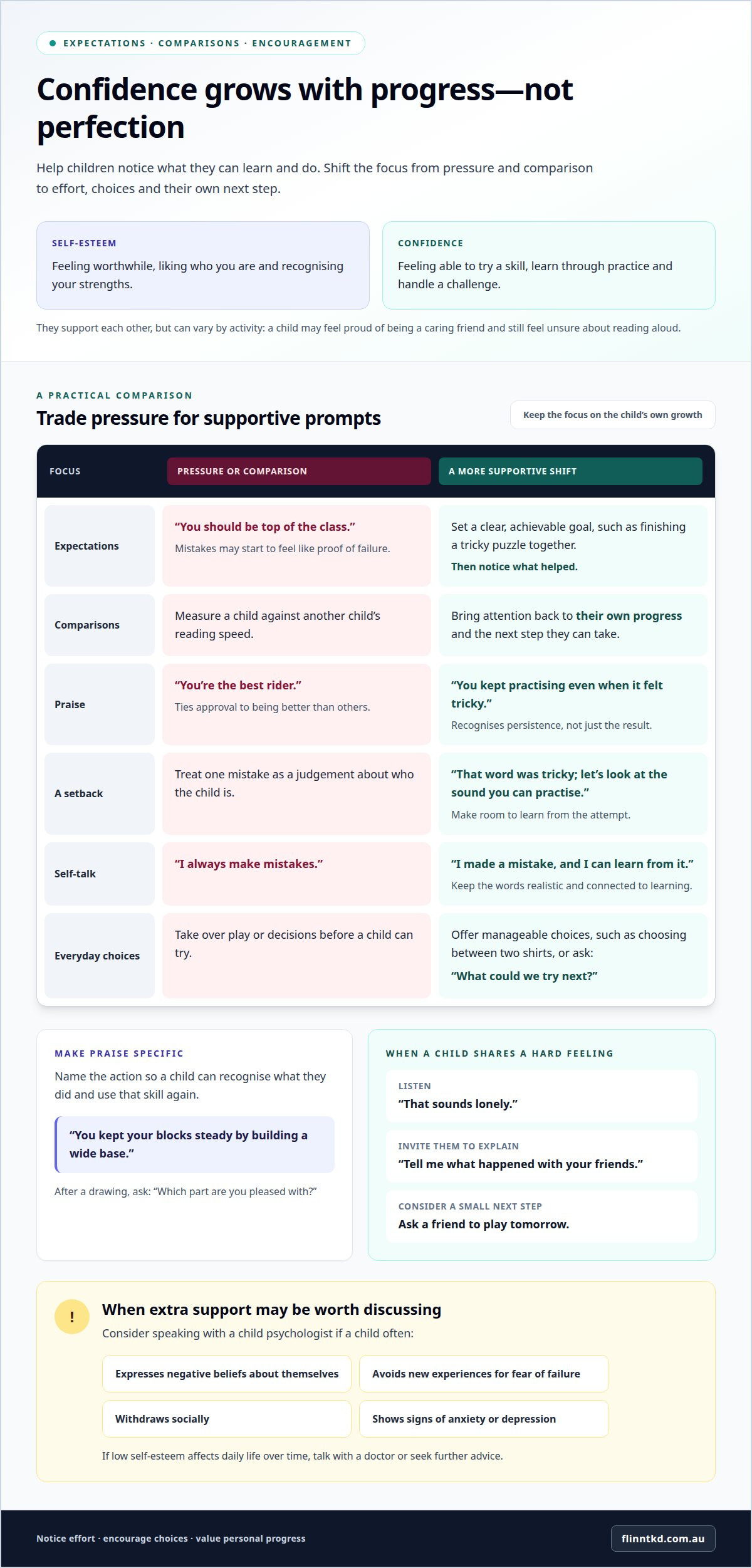
For parents wondering how to build a child’s self-esteem in Brisbane, start by praising effort and choices, not just the result. If a child is learning to ride a bike, praise them for practising, listening to instructions or trying again after a wobble. Saying “You’re the best rider” ties approval to being better than others. Saying “You kept practising even when it felt tricky” shows that persistence matters. For young children, recognising that they tried their best can build confidence without making success the only measure of worth.
Specific praise helps children understand what they did well. Instead of a quick “Good job”, describe the action: “You kept your blocks steady by building a wide base.” This connects effort with a skill they can use again. After a drawing, ask, “Which part are you pleased with?” The question encourages children to recognise their own progress, rather than relying only on an adult’s judgement.
A growth mindset treats skills as something children can develop with practice. When a spelling attempt goes wrong, say, “That word was tricky; let’s look at the sound you can practise.” A practical approach to how to build a child’s self-esteem in Brisbane is to keep praise sincere and proportionate: constant approval for ordinary actions can feel less meaningful than noticing real effort or a thoughtful choice. Children aged 1-8 years benefit from encouragement suited to their development, such as praising a toddler for trying a safe choice or a school-age child for sticking with a challenging task. Focus on the process, then give them room to feel proud.
2. How expectations and social comparisons affect confidence
Children develop confidence when they see their choices make a difference. A preschooler who chooses between two shirts and then gets dressed experiences agency through a manageable decision. During play, parents can ask, “What could we try next?” rather than taking over. These small opportunities help children see themselves as capable learners who can explore, make choices and develop new strengths.
Expectations shape how children interpret success and setbacks. If a child hears “You should be top of the class”, they may treat mistakes as proof they can’t succeed. Set a clear, achievable goal instead, such as finishing a tricky puzzle together, then notice what helped. Comparisons can also discourage: another child’s reading speed says little about your child’s learning or progress. Bring the focus back to their own next step.
Early learning environments can build confidence when children have welcoming opportunities to explore, make choices and practise skills. An educator might offer several ways to join a group activity, such as drawing, building or explaining an idea. This lets children participate through their interests. At home, parents can nurture the same sense of agency by listening to a child’s ideas and letting them help choose a family activity.
If low confidence persists, families can seek support from a child and family psychology service in Brisbane. Consider speaking with a child psychologist if a child often expresses negative beliefs about themselves, avoids new experiences for fear of failure, withdraws socially, or shows signs of anxiety or depression. If low self-esteem affects daily life over time, talk with a doctor or seek further advice.
For everyday practice, choose an activity where your child can make decisions, learn skills and notice personal progress. A structured confidence-building activity can offer another setting to practise taking on challenges and engaging with others.
3. Expressing positive feelings and encouragement
When a child says, “Nobody likes me,” listen rather than arguing. Try, “That sounds lonely. Tell me what happened with your friends.” Naming the feeling shows you take it seriously, while a calm conversation can help them separate one difficult moment from their whole sense of self. Respond with empathy, then encourage a small next step, such as asking a friend to play tomorrow.
Parents can help children practise positive self-talk by gently replacing harsh statements with realistic ones. If your child says, “I always make mistakes,” suggest, “I made a mistake, and I can learn from it.” Avoid insisting they repeat praise they don’t believe. Instead, connect the words to an action: “You felt nervous, but you asked the teacher for help.” This gives the child a believable example to remember.
Your reactions teach children how to handle setbacks. If you spill a drink, say, “I’m frustrated, so I’ll clean it up and try again,” rather than criticising yourself. You can also model self-compassion after a hard day by naming your feeling and choosing a helpful response. Children notice how adults respond to mistakes, so show that disappointment can be managed without turning it into a judgement about who you are.
Support a positive body image by valuing what a child’s body can do, rather than ranking how it looks. Notice their strength when they carry groceries or their coordination during a game. Avoid teasing about appearance, even as a joke. When discussing photos or clothes, include qualities such as kindness, curiosity and persistence, so a child’s identity grows beyond looks.
A simple mindfulness practice can make encouragement easier to use in a tense moment. Pause together, notice the feeling, and take a few slow breaths before deciding what to do next. Then ask, “What would you say to a friend who made that mistake?” This positive psychology exercise helps children practise a kinder perspective. Regular affection and words such as “I love you, whatever happened today” reinforce that they’re valued beyond achievements.
4. Self-esteem during the primary school years
At primary school, children’s self-esteem can be shaped by learning, friendships, sport and appearance. A child may feel capable in class but hesitate during playground games. Notice where they feel confident, then explore what makes other situations harder. This helps you respond to the specific challenge instead of treating confidence as one fixed trait. Warm relationships at home give children a secure base as they try new roles and experiences.
Help your child turn a broad goal into a practical next step. If they want to join a game at lunch, they could practise asking a classmate to play. If spelling feels difficult, work through a few words together, then let them try independently. Acknowledge progress and ask what they’d like to practise next. This builds competence while gradually giving the child more responsibility for their learning.
Brisbane schools can support self-esteem by creating welcoming learning and social situations where children feel included, practise skills and take part in activities. Parents can reinforce that support by discussing a specific school moment, such as presenting a project or resolving a disagreement, and helping their child identify what they managed well.
Everyday responsibilities can also strengthen a primary school child’s sense of capability. Let them set the table, feed a pet or pack their school bag, then give them time to complete the task. If something goes wrong, focus on the action and a useful next step, not a judgement about the child. For example, say, “The lunchbox is still on the bench; let’s put it by your bag for tomorrow.”
Pay attention to repeated patterns across school and home. If your child often avoids activities, seeks constant reassurance or speaks harshly about themselves, listen and explore what’s behind those feelings. Talk with their teacher about specific situations, such as group work or recess, so you can understand where support may help. For a structured setting to practise skills and confidence, explore confidence-building training.
Flinn Taekwondo Academy: Children Self Defence
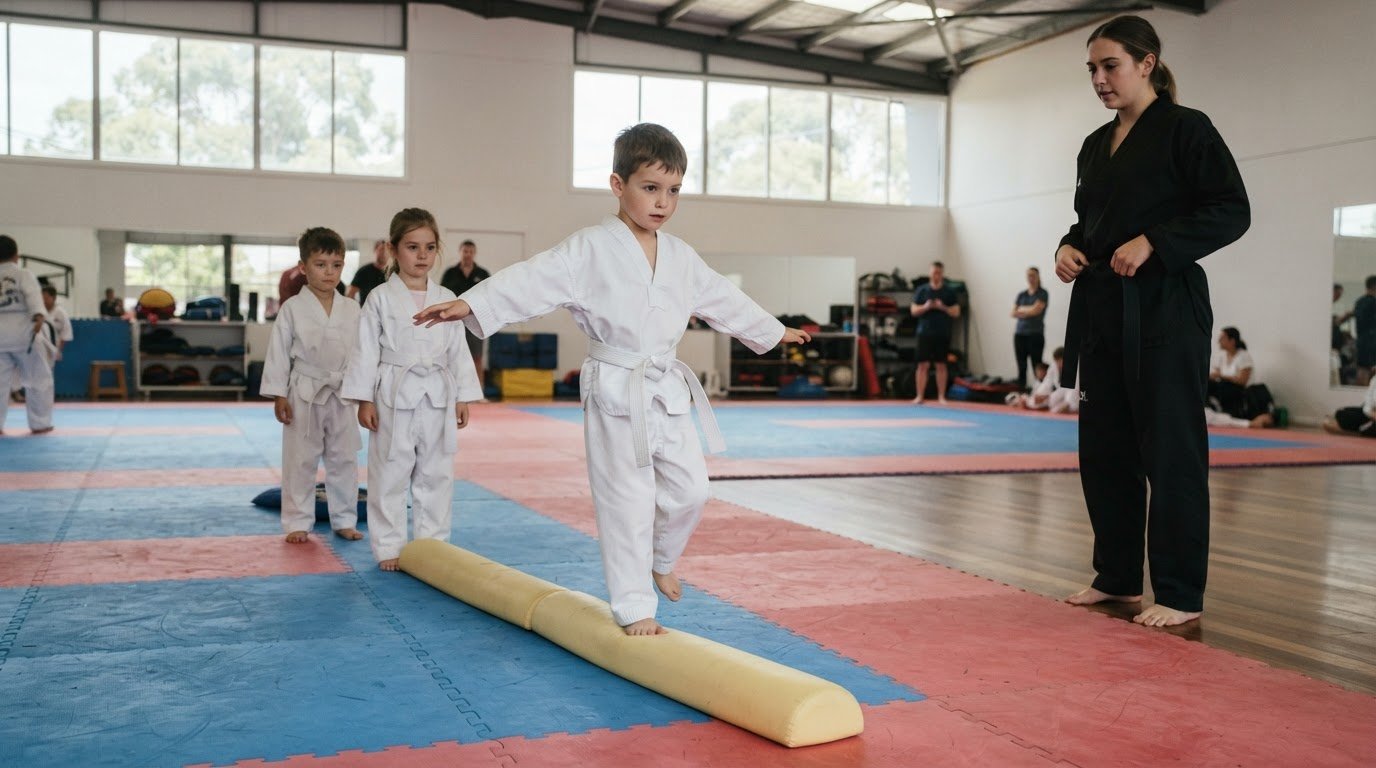
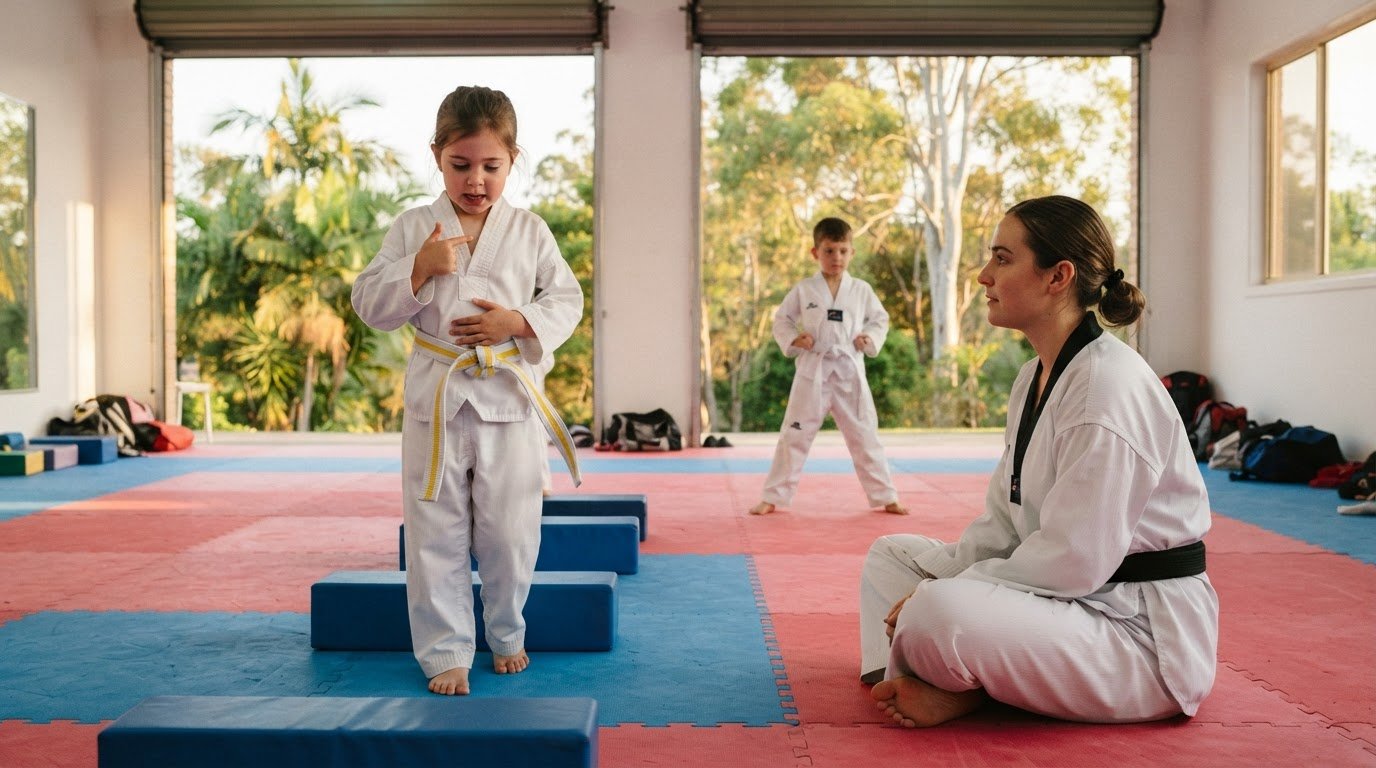
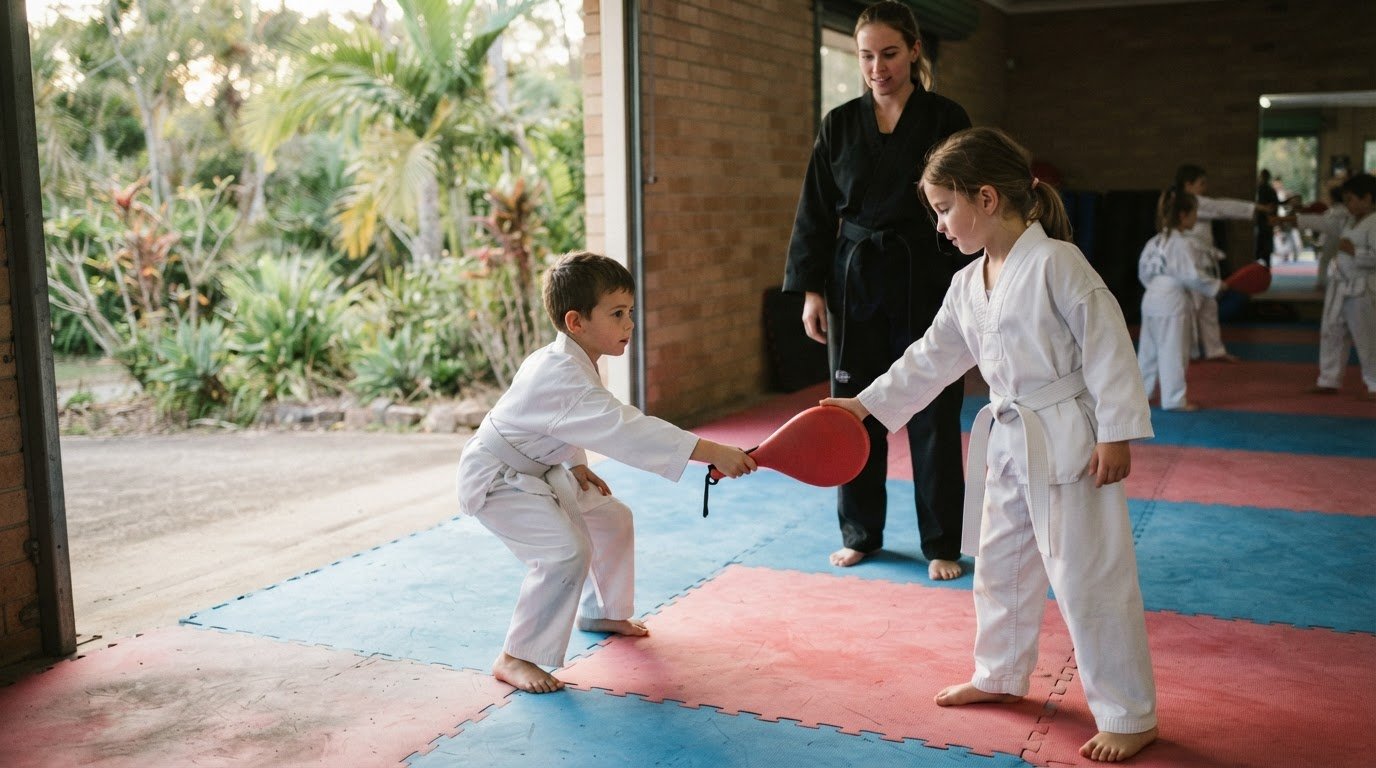
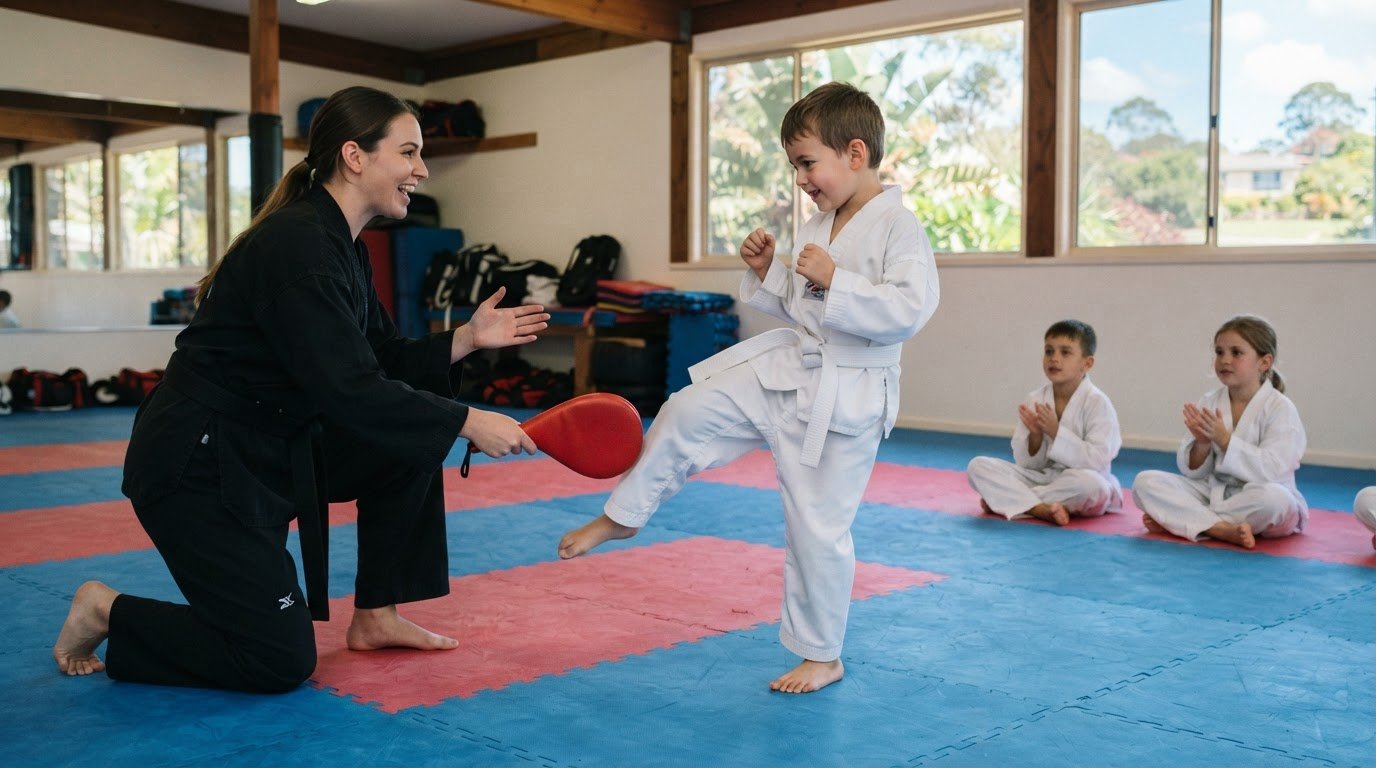
Flinn Taekwondo Academy’s Children’s Classes include a self-defence focus, giving children opportunities to practise skills, discipline and confidence through Taekwondo. For Brisbane families, this can be a useful next step when a child wants to build capability through movement, learning and steady practice.
Choose an age-appropriate pathway: the Little Tigers Program is for children aged 4-6 years, and the Junior Taekwondo Program is for children aged 7-12 years. Both give children opportunities to learn Taekwondo while developing physical fitness and personal skills. The Senior & Adult Taekwondo Program is for ages 13 and up.
Contact Flinn Taekwondo Academy to discuss which program suits your child.
Take the next step with confidence
Let your child help choose a small challenge to work towards. It could be speaking up in a group, practising a new movement or asking to join a game. Agree on a simple way to notice progress together, such as sharing what felt easier after each attempt. This keeps the next step personal and gives your child a voice in their own growth.
For families considering how to build a child’s self-esteem in Brisbane, a supportive activity outside the classroom can offer another place to practise confidence and perseverance. Taekwondo gives children the chance to learn skills through structured practice, with progress built one step at a time. Choose a starting point that suits your child’s interests and readiness to try.
Contact Flinn Taekwondo Academy to discuss a suitable program for your family. Contact Flinn Taekwondo Academy and take a positive next step together.
Frequently Asked Questions
What are self-esteem and confidence for children?
Self-esteem is a child’s overall sense of worth, while confidence is their belief that they can handle a particular task. These feelings can differ: a child may feel comfortable with friends but uncertain about swimming lessons. Notice where your child speaks up, asks for help or hangs back. Respond to the situation rather than treating one hesitant moment as a complete picture of how they see themselves.
How does confidence develop?
Confidence develops as children get opportunities to make choices, practise and see the effects of their actions. For example, let your child choose a simple recipe, measure an ingredient with you, then help serve it. If something spills, guide them through cleaning up and trying again. Experiences like this help children connect decisions, effort and outcomes, while learning that mistakes can be handled.
What causes low self-esteem issues?
Low self-esteem can be influenced by repeated criticism, feeling excluded, difficult comparisons or setbacks a child doesn’t know how to interpret. A change such as starting at a new school may also unsettle their sense of belonging. Look for patterns rather than drawing conclusions from one hard day. Ask what happened, listen without blame and notice whether the same worry appears at home, school or with friends.
What should I do if I’ve been criticising my child a lot, is it too late to change?
It’s not too late to change how you respond. You can acknowledge criticism directly: “I’ve been speaking harshly, and I’m sorry.” Then focus future feedback on behaviour, not your child’s character. For example, replace “You’re careless” with “The books are still on the floor; let’s put them away.” Consistent, respectful responses and affection help rebuild connection through everyday interactions.
What are evidence-based ways to build a child’s self-esteem?
Useful approaches include offering age-appropriate choices, setting manageable goals and giving children responsibilities they can complete. For instance, break packing a school bag into steps: check the timetable, pack the books, then place the bag by the door. Keep routines steady during periods of change, and make time for activities your child enjoys. These experiences can help them feel capable and connected.
How can parents praise children without creating pressure or dependence on approval?
Keep praise sincere, specific and focused on actions your child can recognise. Instead of calling every picture “perfect”, ask which part they enjoyed creating or mention how they chose colours. Leave room for your child’s own judgement by asking, “What are you pleased with?” This helps praise feel like useful feedback, not a score they must keep earning from adults.