Stretching alone isn’t the whole answer: strength training can help you build flexibility you can use and control. If you’re wondering how to regain flexibility after 30, start with consistent movement, gentle stretches and strength exercises that take your joints through a comfortable range.
It’s understandable to feel stiffer when everyday movement or exercise doesn’t feel as easy as it used to. You don’t need to force deep stretches or overhaul your routine. Beginners can start with flexibility training on 3 days a week, using short sessions and steady progress.
You’ll learn how to build a sustainable stretching routine, use dynamic stretches safely and pair strength training with flexibility work. The four approaches ahead cover consistency, movement preparation, safe stretching and strength through range, so you can train with purpose and make progress at a pace that feels manageable.
Key Takeaways
- Build a stretching habit that fits your week, then progress gradually instead of forcing a quick change.
- Use controlled, flowing movements to prepare your body before training and make each repetition purposeful.
- Recognise the difference between gentle tension and pain, and adjust your approach to protect your joints and muscles.
- Train strength through a comfortable range of motion to support flexibility you can control in everyday movement.
1. Building a sustainable stretching routine
Choose a schedule you can repeat, such as flexibility sessions on 3 days a week. Beginners can start with 10- to 15-minute sessions, focusing on a few areas that feel restricted. Static stretches are typically held for 30 to 90 seconds, according to Cleveland Clinic. Ease into each position, breathe steadily and stop at gentle tension rather than forcing a deeper range.
For a weekly plan, spread practice across 3 days instead of cramming every stretch into one session. A 10- to 15-minute session on each day gives you regular practice; another option is building towards 30 minutes of stretching a week. Choose simple movements for your calves, hips, chest or shoulders, then note which areas feel easier to move. A brief record helps you keep the routine balanced.
How long does it take to become more flexible after 30? Progress develops through repeated practice, and your starting range, consistency and the areas you train affect its pace. A study reported by the National Center for Biotechnology Information (NCBI) found increased spinal mobility in older adults after ten weeks of static stretching of the trunk muscles. That finding offers an example, not a universal timeline.
Daily movement can reinforce your planned sessions without turning every day into a workout. Set aside 10-15 minutes a day for comfortable movement, such as walking, gentle hip circles or reaching overhead between tasks. On stretching days, use that movement to prepare before holding a stretch. On other days, keep it easy and notice whether normal actions, like reaching for a shelf or turning to look behind you, feel smoother.
How long should you hold a stretch for flexibility gains? Hold a static position for 30 to 90 seconds, staying relaxed and within a comfortable range. Repeat stretches consistently across your weekly routine; patience and steady practice matter more than forcing a longer hold.
2. Dynamic stretching
Dynamic stretching takes your joints through controlled movement instead of holding one position. Use it before strength training to prepare for the movements ahead. Start with a comfortable range, then gradually make each movement fuller. Smooth control matters more than reaching your maximum range. For example, arm circles prepare your shoulders, while marching knee lifts move your hips. These movements also help you notice stiffness before loading your muscles.
What are the best beginner stretches for full-body flexibility? Try arm circles, marching knee lifts, gentle leg swings and standing torso rotations. Together, these movements take your shoulders, hips and trunk through several directions without requiring floor exercises or advanced positions.
Build a simple sequence before a strength session. Begin with marching on the spot, then add shoulder circles and alternating knee lifts. Follow with leg swings, keeping one hand on a wall for balance if needed. Finish with controlled torso rotations, turning only as far as feels comfortable. Move through around 10-12 repetitions for each dynamic stretch. Keep the motion steady and avoid turning repetitions into fast, loose swings.
You can also organise the sequence around the exercises you plan to do. Before squats, use marching knee lifts and leg swings to rehearse hip movement. Before upper-body exercises, include arm circles and gentle shoulder movements. A dynamic stretching sequence can be performed for 30 seconds per stretch. Choose movements that match your planned training, rather than rushing through every possible exercise. If one movement feels awkward, shorten its range and practise with control.
Keep dynamic stretches distinct from static holds. Use flowing repetitions to prepare before strength training, then save longer stationary positions for after your workout. This order gives each approach a clear role. Dynamic movement rehearses the range you’ll use; strength exercises then challenge your control through that range. Over time, this pairing can make flexibility practice more purposeful and easier to connect with your regular training.
3. Stretching safety and injury prevention
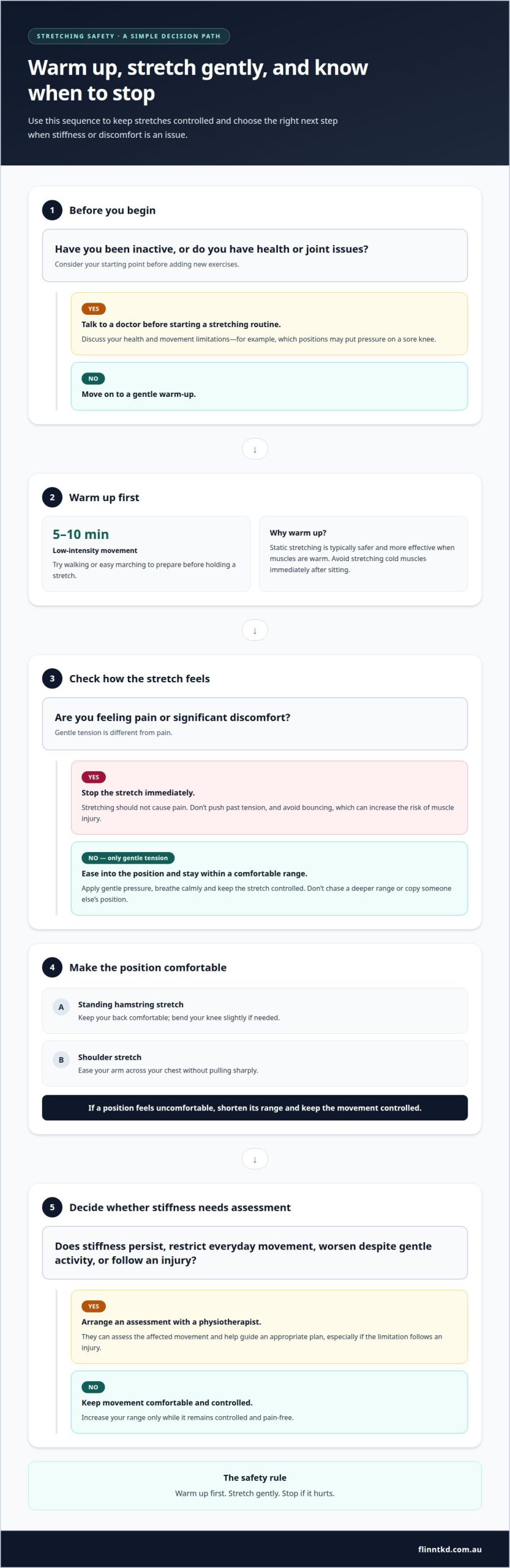
Prepare your body before holding a stretch. A low-intensity warm-up of 5 to 10 minutes helps raise movement readiness; try walking or easy marching. Static stretching is typically safer and more effective when muscles are warm. Move gradually from the warm-up into each position, rather than stretching cold muscles immediately after sitting. For example, walk around the room before stretching your calves or hamstrings.
Apply gentle pressure and stop at the point of tension. Stretching shouldn’t cause pain, and pushing past tension can lead to injury. Avoid bouncing, which can increase the risk of muscle injury. Instead, settle into a position, breathe calmly and keep the stretch controlled. Stop immediately if discomfort becomes painful or significant. Mild soreness in the following days may occur, but pain during a stretch is a signal to stop.
Adjust each movement to a comfortable range. In a standing hamstring stretch, keep your back comfortable and bend your knee slightly if needed. For a shoulder stretch, ease your arm across your chest without pulling sharply. These adjustments help keep pressure gentle around your muscles and joints. Don’t chase a deeper range or copy someone else’s position; use your own mobility and comfort as a guide.
When should you see a physiotherapist about stiffness or limited mobility? Arrange an assessment if stiffness persists, restricts everyday movement or worsens despite gentle activity. A physiotherapist can assess the affected movement and help guide an appropriate plan, especially if the limitation follows an injury.
If you’ve been inactive or have health or joint issues, talk to a doctor before starting a stretching routine. This gives you a chance to discuss your health and movement limitations before adding new exercises. For example, someone with a sore knee can ask which positions may put pressure on the joint. Start with comfortable movements and increase the range only while it remains controlled and pain-free.
4. Strength training to support flexibility
Flexibility isn’t only about reaching further; it’s also about controlling the range you have. Strength exercises challenge muscles as joints move, helping you practise stable positions. A slow bodyweight squat, for example, asks your hips, knees and ankles to work together. Lower only as far as you can maintain balance and control, then rise smoothly. If you’re exploring how to regain flexibility after 30, build that control alongside your range.
Choose movements that take your joints through comfortable ranges. A hip hinge trains you to bend from your hips while keeping your trunk steady. A supported split squat practises control as each leg moves through a different position. Wall slides let you raise your arms at a measured pace. These examples combine strength and mobility without forcing a deep stretch.
Move deliberately. During a squat, pause briefly at a comfortable depth, keep your feet grounded and avoid letting your knees collapse inward. For a calf raise, lift and lower through a range you can control. If your form changes, shorten the movement. The aim isn’t to reach maximum depth, but to build strength in positions you can manage with consistent technique.
Isometric stretching offers another option: contract and relax the stretched muscle while holding the position for 15 to 20 seconds. This approach can improve strength as well as flexibility. Keep the effort controlled, and release the contraction before easing out of the stretch. For example, gently press your heel into the floor during a hamstring stretch, then relax without forcing extra range. It can complement your wider approach to how to regain flexibility after 30.
Train each side with equal attention. A supported split squat lets you notice whether one leg feels less steady, while a single-arm wall slide can highlight differences in shoulder control. Keep the movement smooth and use a range you can manage on both sides. These focused repetitions develop awareness as well as strength. For guided practice that develops disciplined movement and body control, explore Taekwondo training.
Flinn Taekwondo Academy
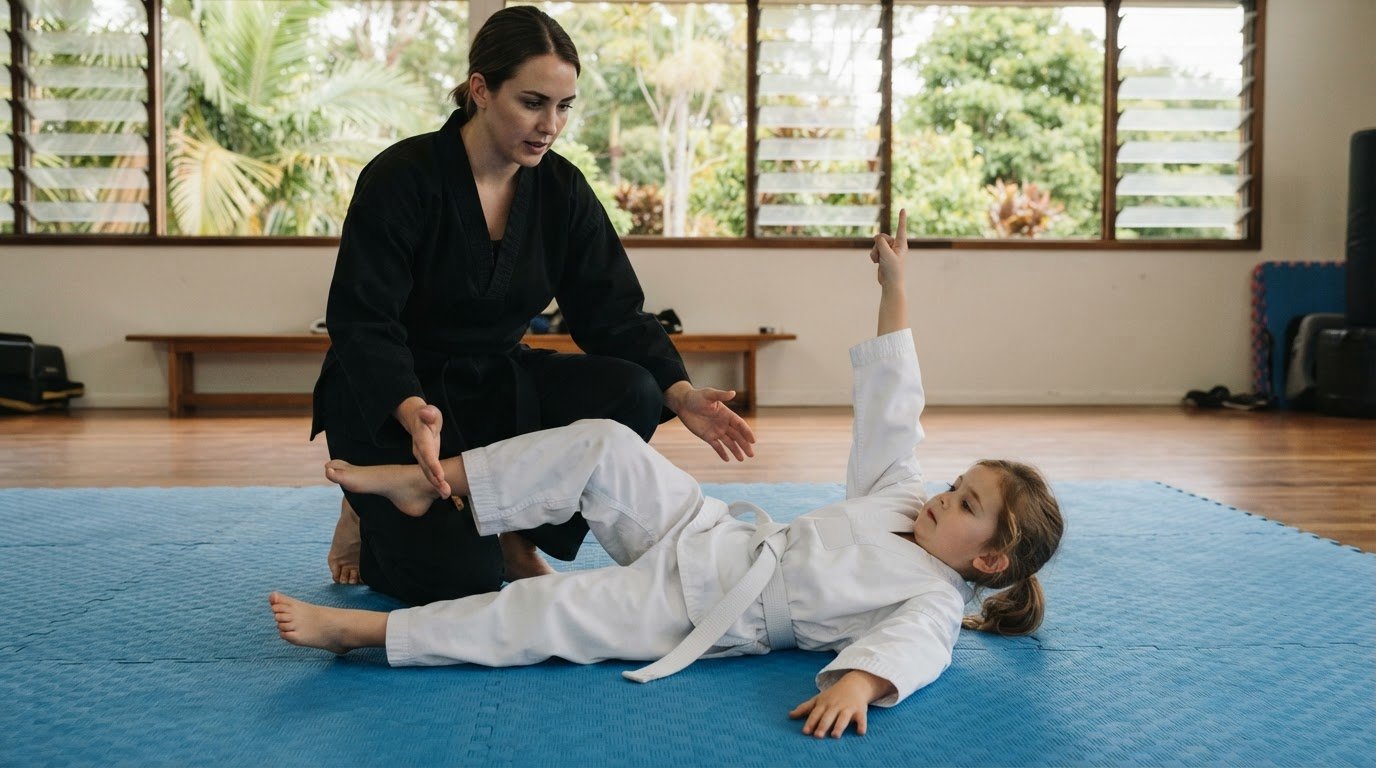
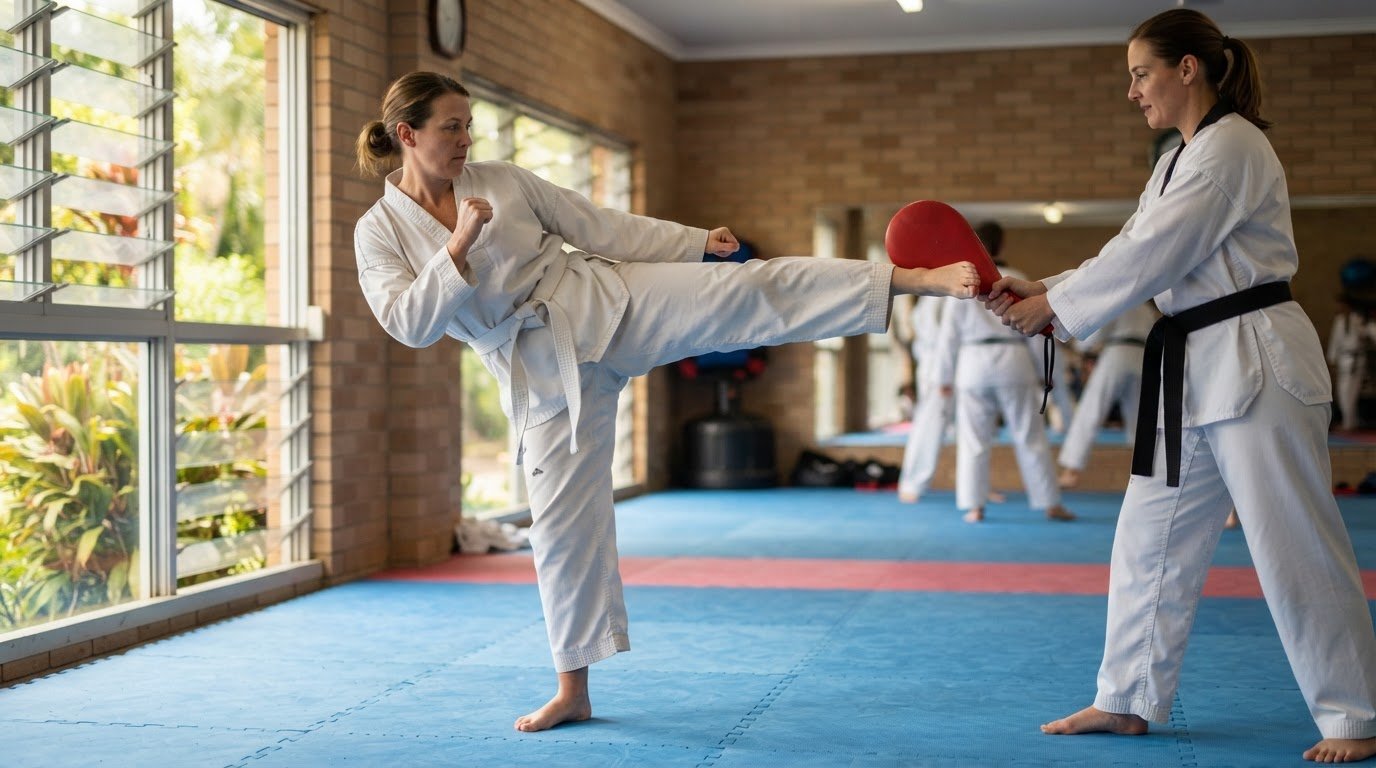
Flinn Taekwondo Academy offers Taekwondo training that can complement a flexibility routine with purposeful movement and technique practice. If you want to practise movement within a structured martial arts setting, the Senior & Adult Taekwondo Program is for participants aged 13+ years. Training includes technical work, poomsae and sparring, each involving distinct movement skills.
Build comfort gradually with your stretching routine, and bring the same focus on control to training rather than forcing range. Taekwondo offers an active setting to practise coordinated movement while developing discipline and physical fitness. It does not replace a physiotherapist’s care when pain or restricted mobility affects everyday movement.
If you’d like to explore Taekwondo as part of your movement practice, book a free trial with Flinn Taekwondo Academy in North Brisbane.
Keep building movement you can use
Building a practical plan for how to regain flexibility after 30 means choosing movement you can adapt as your confidence and goals develop. Treat each session as practice, not a test. Notice how you move, and progress only when you can stay controlled. That mindset keeps flexibility connected to everyday movement, rather than chasing a position for its own sake.
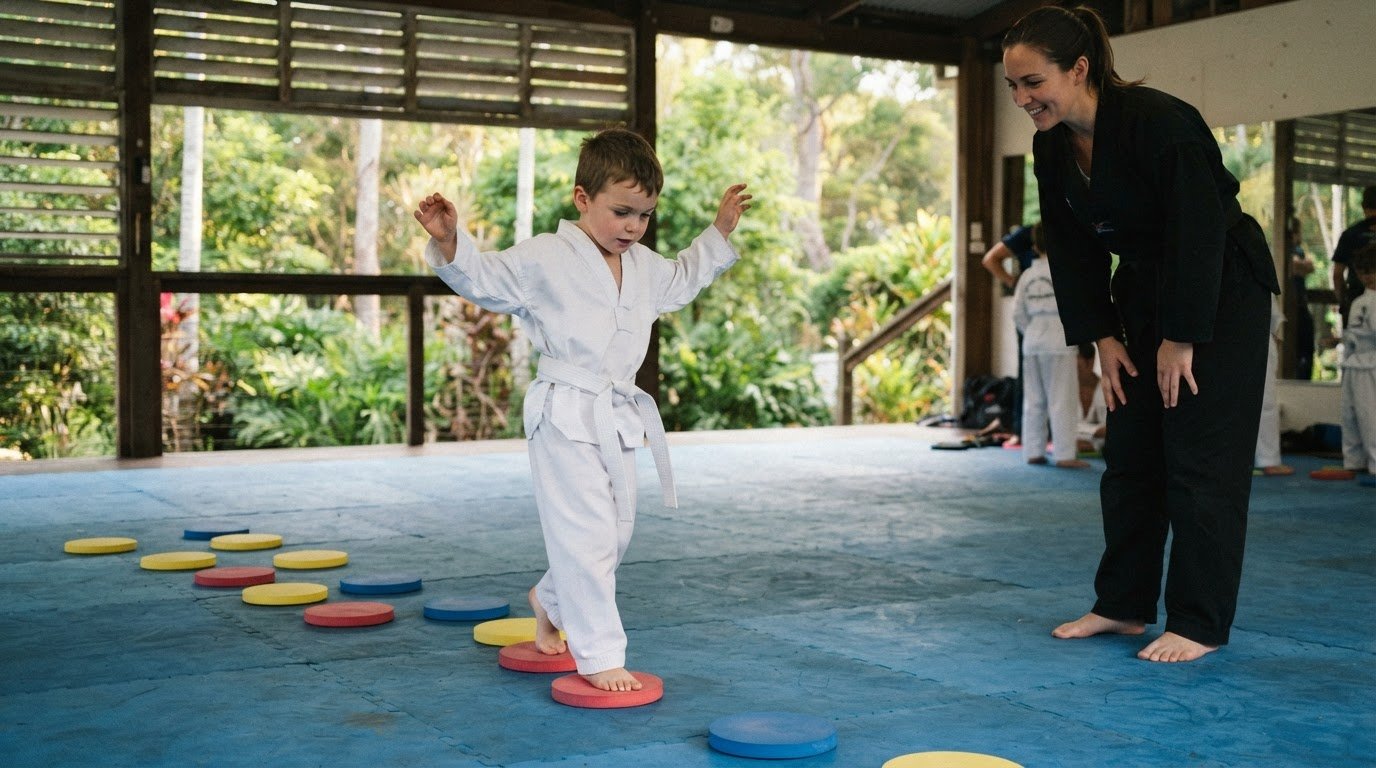
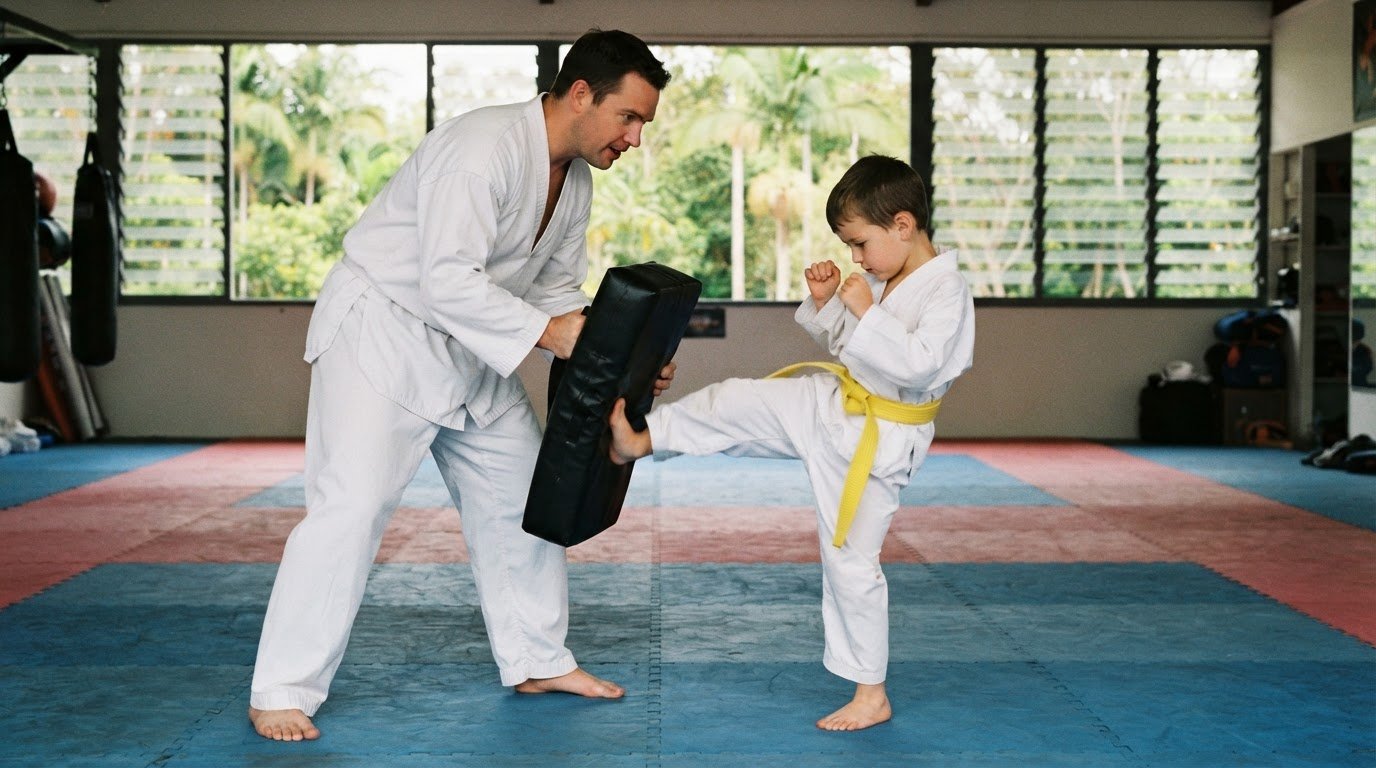
Taekwondo can bring purposeful movement, coordination and discipline into your training. Flinn Taekwondo Academy offers age-specific programs, including the Little Tigers Program (4-6 years), Junior Taekwondo Program (7-12 years) and Senior & Adult Taekwondo Program (13+ years). Each gives participants a structured way to engage with Taekwondo at their stage of life.
Choose a next step that suits your goals, then keep showing up with patience and focus. For a welcoming conversation about training, contact Flinn Taekwondo Academy and take your next step with confidence.
Frequently Asked Questions
Does flexibility naturally decrease after age 30?
Joint and muscle flexibility can begin to decline from age 30. That doesn’t mean stiffness is inevitable or that improvement is out of reach. Your everyday movement habits affect how often you use different ranges. For example, regularly changing position during desk work gives your hips and shoulders more opportunities to move than staying still for long stretches.
How often should adults stretch to improve flexibility?
Beginners can start flexibility training on 3 days a week. Choose a schedule that fits around work and existing exercise, such as stretching after a regular walk on selected days. Linking the routine to an established habit can make it easier to remember. Keep each session focused on movements that suit your current needs, rather than trying to stretch every muscle at once.
Is dynamic or static stretching better for improving flexibility?
Neither approach is universally better; each suits a different point in your session. Use dynamic movement before strength training to prepare for activity. Static holds may fit after training when you’re working on a specific position, such as easing into a chest stretch after upper-body exercises. Choose the method that matches your immediate goal rather than relying on just one.
How can strength training help restore flexibility?
Strength training helps you practise controlling movement through a comfortable range. For example, lowering slowly into a chair challenges your legs as your hips and knees bend. Use a range you can manage with steady form, then stand with smooth control. This connects mobility with everyday actions, such as sitting down and getting up without rushing.
What are the risks of stretching too far or too quickly?
Forcing a stretch past tension, bouncing or continuing through pain can increase injury risk. Ease out if a stretch becomes painful or causes significant discomfort, and don’t try to match someone else’s range. If you’ve been inactive or have health or joint issues, discuss starting a routine with a doctor. Controlled movement gives you a clearer way to build range without forcing it.