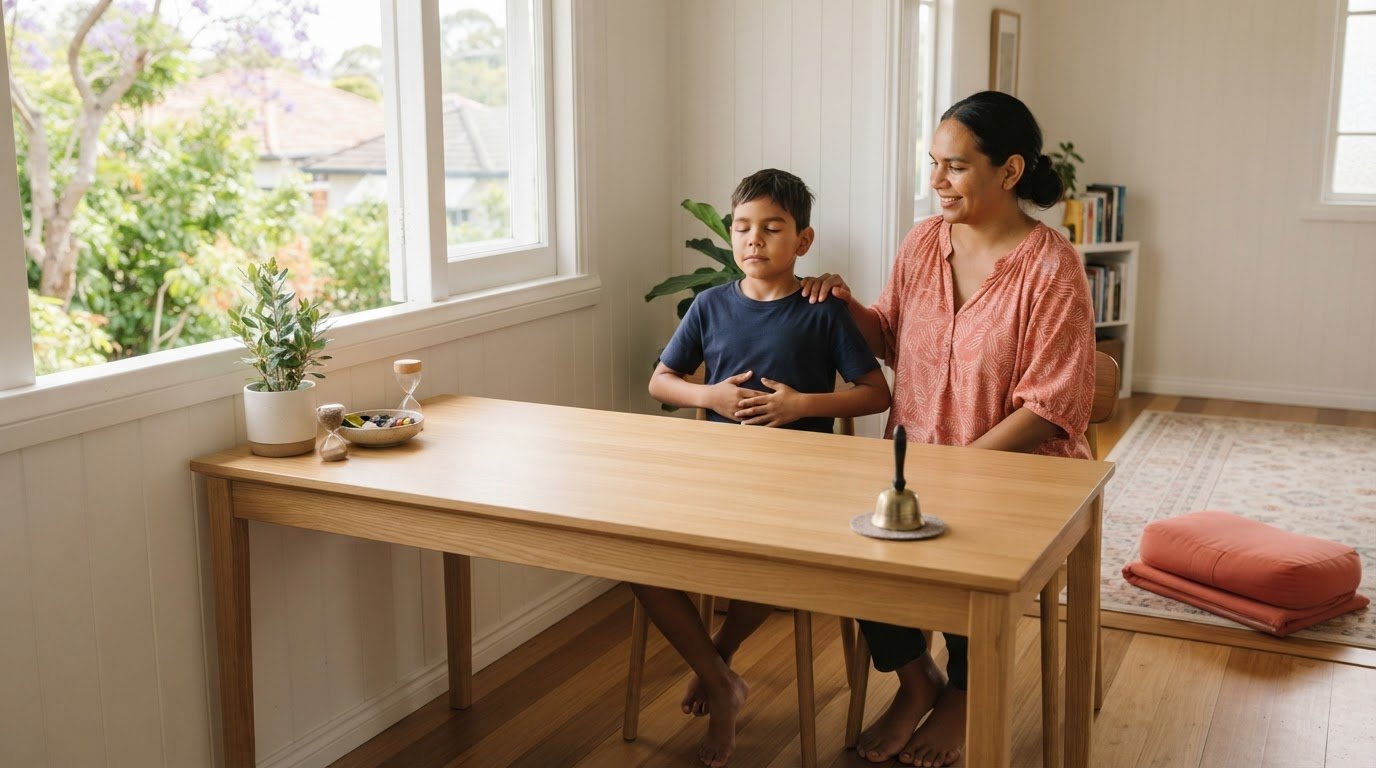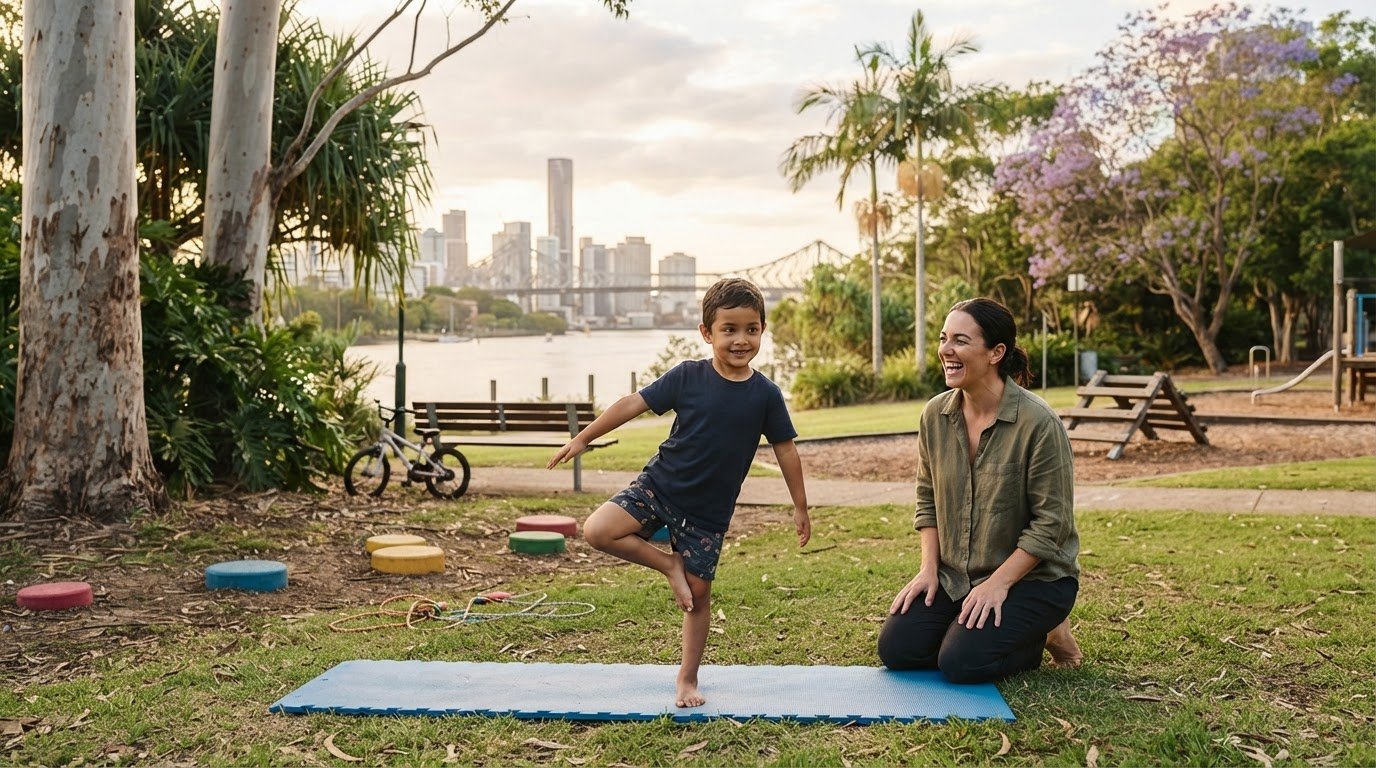
You don’t need to be sporty to build strength, flexibility, balance and cardiovascular fitness. Fitness for non-sporty adults in Brisbane can start with manageable movement that suits your current ability and fits into everyday life. The best starting point is one you can return to, not a punishing routine you dread.
It’s understandable if formal exercise feels intimidating, especially when you’re unsure where to begin or worry you won’t keep up. Brisbane City Council’s Move Well Brisbane program includes free and low-cost activities such as yoga and wellness sessions, exercise and fitness classes, and aqua sessions, showing that there are different ways to get moving.
This guide explains how to choose an activity that fits your comfort level, make movement part of your routine and work towards strength, flexibility, balance and cardiovascular fitness. You’ll also learn how a welcoming group can support social connection and what to consider when a structured class feels like the right next step.
Key Takeaways
- Choose movement that feels manageable and enjoyable, then build a routine around activities you can stick with.
- Look for ways to develop strength, flexibility, balance and cardiovascular fitness through varied, purposeful movement.
- Use group activities to make exercise more social and create a stronger sense of connection and belonging.
- Notice what helps you feel comfortable taking part, from the pace of a class to the structure of its activities.
- Explore whether a structured Taekwondo program could give you a supportive setting to practise movement and build discipline.
Strength, flexibility, balance and cardiovascular fitness
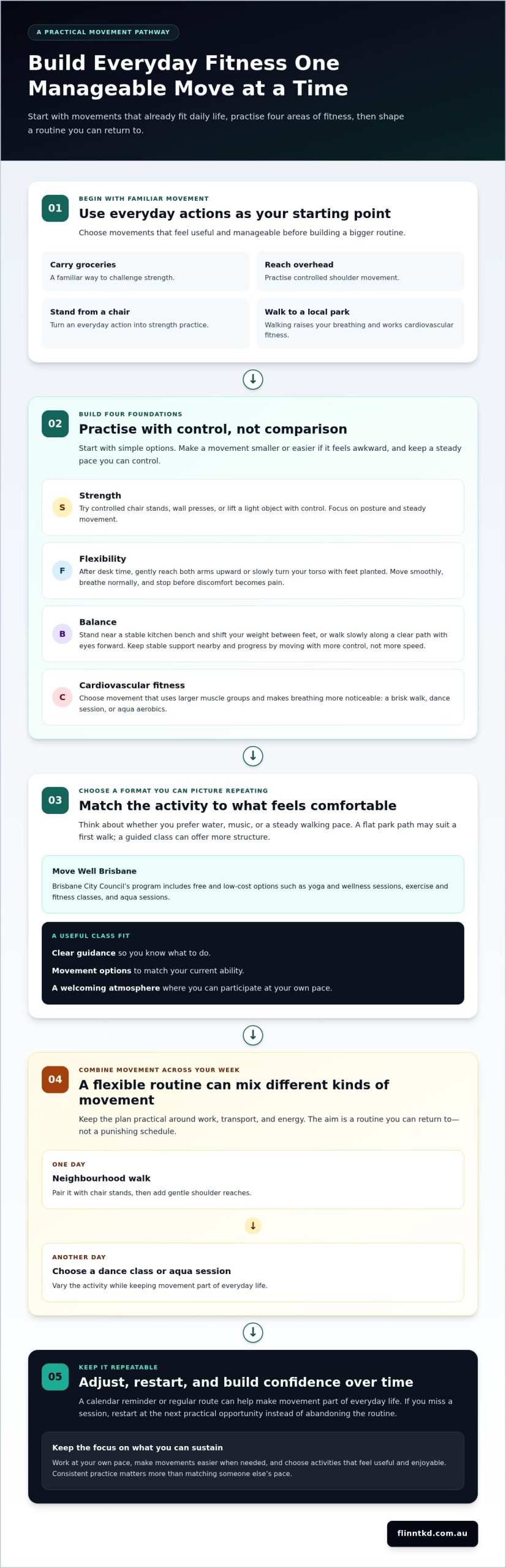
A practical approach to fitness for non-sporty adults in Brisbane starts with familiar movements. Carrying groceries, reaching overhead, standing from a chair and walking to a local park all use your body in different ways. Carrying bags challenges your strength, while reaching encourages controlled shoulder movement. Walking raises your breathing and offers a simple way to practise cardiovascular exercise. Choose movements that feel useful in daily life, then build your routine around them.
Strength work can begin with bodyweight movements and everyday tasks. Try standing from a sturdy chair, pressing your hands against a wall or lifting a light object with control. These examples let you focus on posture and steady movement before adding difficulty. Work at a pace that keeps you in control. If a movement feels awkward, make it smaller or choose an easier variation. Consistent practice matters more than matching someone else’s pace.
Flexibility is about moving comfortably through useful ranges, not forcing a stretch. After sitting at a desk, stand and gently reach both arms upward. You could also turn your torso slowly while keeping your feet planted. Move smoothly, breathe normally and stop before discomfort becomes pain. Yoga and wellness sessions in Brisbane City Council’s Move Well Brisbane program offer another way to practise controlled movement. The program also includes free and low-cost exercise and fitness classes and aqua sessions.
Balance practice can fit into everyday routines. Stand near a stable kitchen bench and shift your weight from one foot to the other. You could also walk slowly along a clear path with your eyes forward. These activities encourage body control and awareness of your surroundings. Keep stable support nearby as you learn a new movement. Progress by making the action more controlled, not faster. Balance develops through attentive practice, not rushing.
Cardiovascular exercise uses larger muscle groups and makes your breathing more noticeable. A brisk walk, dance session or aqua aerobics can provide this kind of movement. Brisbane City Council’s Move Well Brisbane activities include aqua sessions. The council is seeking qualified aqua instructors to deliver activities such as aqua aerobics, aqua Zumba, deep water running and aqua dance. Consider whether you prefer water, music or a steady walking pace, then choose an activity you can picture repeating.
To create a balanced routine, combine different kinds of movement across your week. For example, pair a neighbourhood walk with chair stands, then add gentle shoulder reaches. On another day, choose a dance class or aqua session. Keep the plan flexible around work, transport and energy. If you miss a session, restart at the next practical opportunity instead of abandoning the routine. A calendar reminder or regular route can help make exercise part of everyday life.
- Strength: Practise controlled chair stands or wall presses.
- Flexibility: Add comfortable reaches after desk time.
- Balance: Shift your weight beside a stable bench.
- Cardiovascular fitness: Choose walking, dance, or an aqua activity.
Use these examples to decide what feels accessible today. A flat park path may suit a first walk, while a guided class can provide structure. Brisbane City Council is seeking experienced and inclusive activity providers for Move Well Brisbane. For fitness for non-sporty adults in Brisbane, useful class features include clear guidance, movement options and an atmosphere where you can participate at your own pace. Start with one manageable choice, then adjust your routine as your confidence grows.
Social connection and community
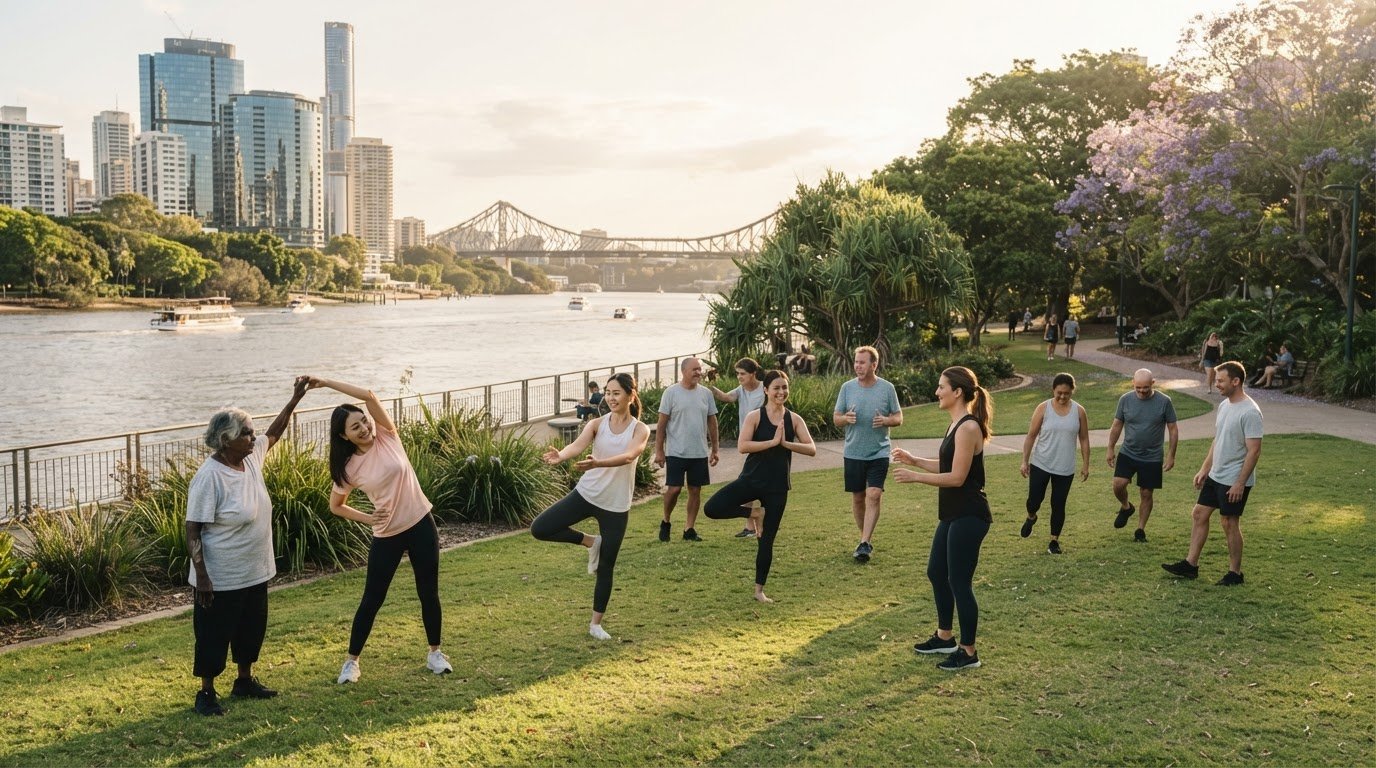
Exercise can feel easier to return to when it includes familiar faces. A weekly class gives you a shared activity and a natural reason to leave home. You might greet the same people, practise alongside them and see how others approach a new movement. Small interactions can make a class feel less like a test and more like a regular part of your week. Choose a setting where participation matters more than comparison.
Start by choosing a social format that matches your comfort level. If conversation helps you settle in, try a walking group where people can talk as they move. If you prefer focusing on an activity, a dance class or team game can keep attention on shared tasks. For example, a beginner might feel more at ease following a teacher’s movements than introducing themselves in a large group. The right format is the one that makes showing up feel manageable.
Brisbane offers organised indoor sports games with players ranging from 18 to 60 years old. That age range shows how a recreational game can bring adults at different life stages together. A team activity also creates simple ways to connect: taking turns, learning rules, encouraging a teammate, and celebrating a well-played point. You don’t need to be the most skilled person in the room. Start by learning the basic structure and contributing at your own pace.
Use these steps to find a community setting that suits you:
- Choose your preferred interaction. Pick conversation-led walking or activity-focused dance, yoga, or a team game.
- Look for clear structure. A class with demonstrations and a predictable sequence gives newcomers an easy way to follow along.
- Notice the group dynamic. Look for respectful turn-taking, inclusive instructions, and encouragement between participants.
- Make attendance practical. Consider the location, transport, class timing, and how the activity fits your routine.
These details matter because social comfort can influence whether you return. For example, someone uneasy about arriving alone could choose a class with a clear check-in point. A person who dislikes competitive pressure might prefer a guided session with individual practice. If a group moves too quickly, ask for a simpler variation during instruction. It’s easier to make specific requests when you know what helps, such as more demonstrations or time to practise.
Community also grows through repeated, low-pressure contact. Learn someone’s name, arrive with time to settle in, or thank a classmate who showed you a movement. You don’t need to become instantly outgoing. A familiar greeting can make the next visit feel less uncertain. If a particular group doesn’t suit your personality, try a different format rather than assuming every class will feel the same.
Brisbane City Council is seeking experienced and inclusive activity providers for Move Well Brisbane. For participants, inclusion means clear instructions, options for different abilities and a welcome that doesn’t depend on prior experience. When comparing a walking group, dance session or recreational game, notice how the instructor explains activities and responds to questions. This can help you judge whether you’ll be comfortable taking part and building connections over time.
Give a new group a simple goal for your first visit. Learn the class routine, join one partner activity, or stay for a brief conversation afterwards. You don’t need to measure success by how many people you meet. Focus on whether the activity felt welcoming and whether returning seems realistic. If a structured setting appeals, explore community-focused movement classes as one possible way to practise alongside others.
Flinn Taekwondo Academy: Little Tigers Program (4-6 years)
Flinn Taekwondo Academy offers a structured Taekwondo pathway for adults seeking guided movement, skill development and a sense of community. The Senior & Adult Taekwondo Program is for participants aged 13 and over, making it the relevant option for adults who want to explore training in a coached setting. Taekwondo practice can involve purposeful movement and learning techniques, while discipline and confidence develop through training.
The Little Tigers Program is designed for children aged 4 to 6. Families looking for age-appropriate martial arts training for a young child can explore this program, while adults can consider the Senior & Adult program for their own training. Contact Flinn Taekwondo Academy to learn more about the program that suits you or your family.
Take Your Next Step Towards Active Living
Your next step doesn’t need to be dramatic. Choose a form of movement that feels worth returning to, then give yourself room to learn at your own pace. For adults exploring fitness for non-sporty adults in Brisbane, Flinn Taekwondo Academy offers structured Taekwondo classes in a supportive environment, where you can practise skills and develop discipline.
Flinn Taekwondo Academy offers programs for different ages and stages: Little Tigers for children aged 4 to 6, Junior Taekwondo for ages 7 to 12, and Senior & Adult Taekwondo for participants aged 13 and over. That gives families a way to explore training together while choosing a program suited to each person.
You don’t have to feel sporty before you begin. Curiosity, consistency and a willingness to learn are enough to take the first step. Contact Flinn Taekwondo Academy today to explore the training pathway that fits you or your family. Start where you are, and keep moving forward.
Frequently Asked Questions
How can a non-sporty beginner choose a safe and enjoyable exercise program?
Choose a beginner-friendly program with clear instruction, adaptable movements and a pace you can manage. Before joining, ask what a typical session involves and whether the instructor demonstrates each activity. For example, if you prefer learning by watching, look for classes that include demonstrations before practice. Consider the location and transport in Brisbane too, since a convenient venue can make regular attendance easier. Start with an activity you’re curious about, then notice whether its format feels comfortable.