What if your child’s Saturday morning anxiety isn’t a lack of athletic drive, but simply a reaction to the chaos of the field? Watching your child sit on the bench, shrink from sideline shouting, or battle performance pressure is heartbreaking. If you are actively researching sports for kids who don’t like team sports north brisbane, you probably fear that walking away from traditional clubs will mean falling into a sedentary routine.
Your child has focus, energy, and physical potential waiting to be unlocked. They just need an encouraging environment where personal progress matters more than a scoreboard. In this guide, you will discover the best individual sports across North Brisbane designed to build coordination, resilience, and genuine self-belief without team-sport pressure. From indoor climbing to the structured focus of traditional martial arts, we break down welcoming local options that let your child progress at their own pace.
主要心得
- Understand why traditional weekend field sports trigger performance anxiety, sensory overload, and sideline stress for many young athletes.
- Explore the top individual sports for kids who don’t like team sports north brisbane, spanning indoor climbing, tennis, and disciplined martial arts.
- Discover how personal milestone systems foster genuine internal motivation and gross motor development without the fear of letting down teammates.
- Learn a simple framework to match your child’s sensory preferences and physical temperament with supportive North Brisbane clubs.
- See how age-tailored Taekwondo guarantees 100% active participation for every child, eliminating bench time while instilling lifelong discipline.
Why Some Children Struggle with Traditional Team Sports
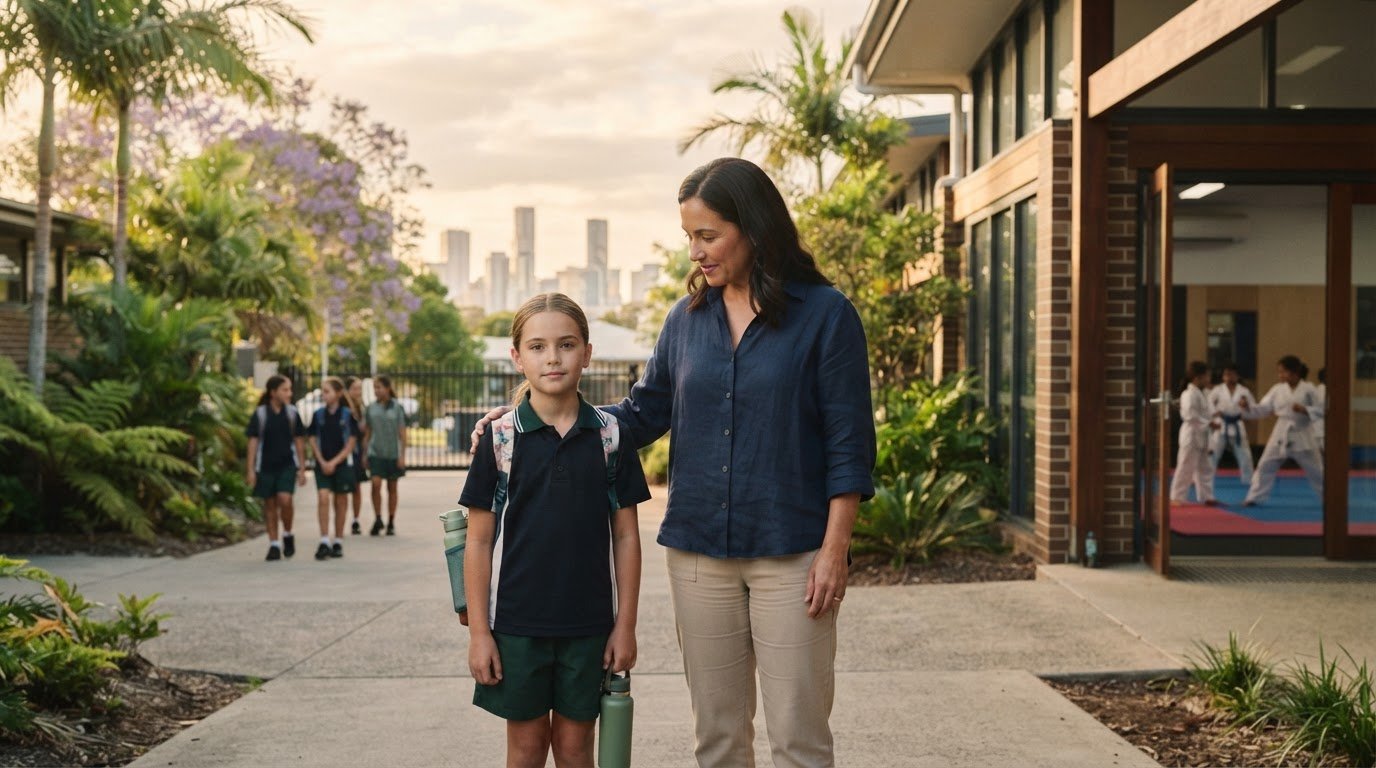
Every weekend across fields in Aspley, Chermside, and Mitchelton, hundreds of children lace up boots for footy or netball. For many kids, however, that Saturday whistle sparks dread rather than joy. If your child resists weekend games, you aren’t alone. Disliking ball sports or high-stakes team matches is entirely normal, and it doesn’t mean your child is unathletic or lazy.
Traditional team structures rely heavily on external pressure, split-second ball decisions, and public mistakes. When a child drops a pass or misses a goal, they often feel the weight of letting down an entire squad. Sitting on the bench waiting for a coach’s nod only deepens the feeling of inadequacy. Physical literacy should build resilience and self-worth, not dread. Understanding why these environments cause friction is the first step in finding the right individual sports that allow your young athlete to thrive without the emotional toll.
Performance Anxiety and Sideline Pressure
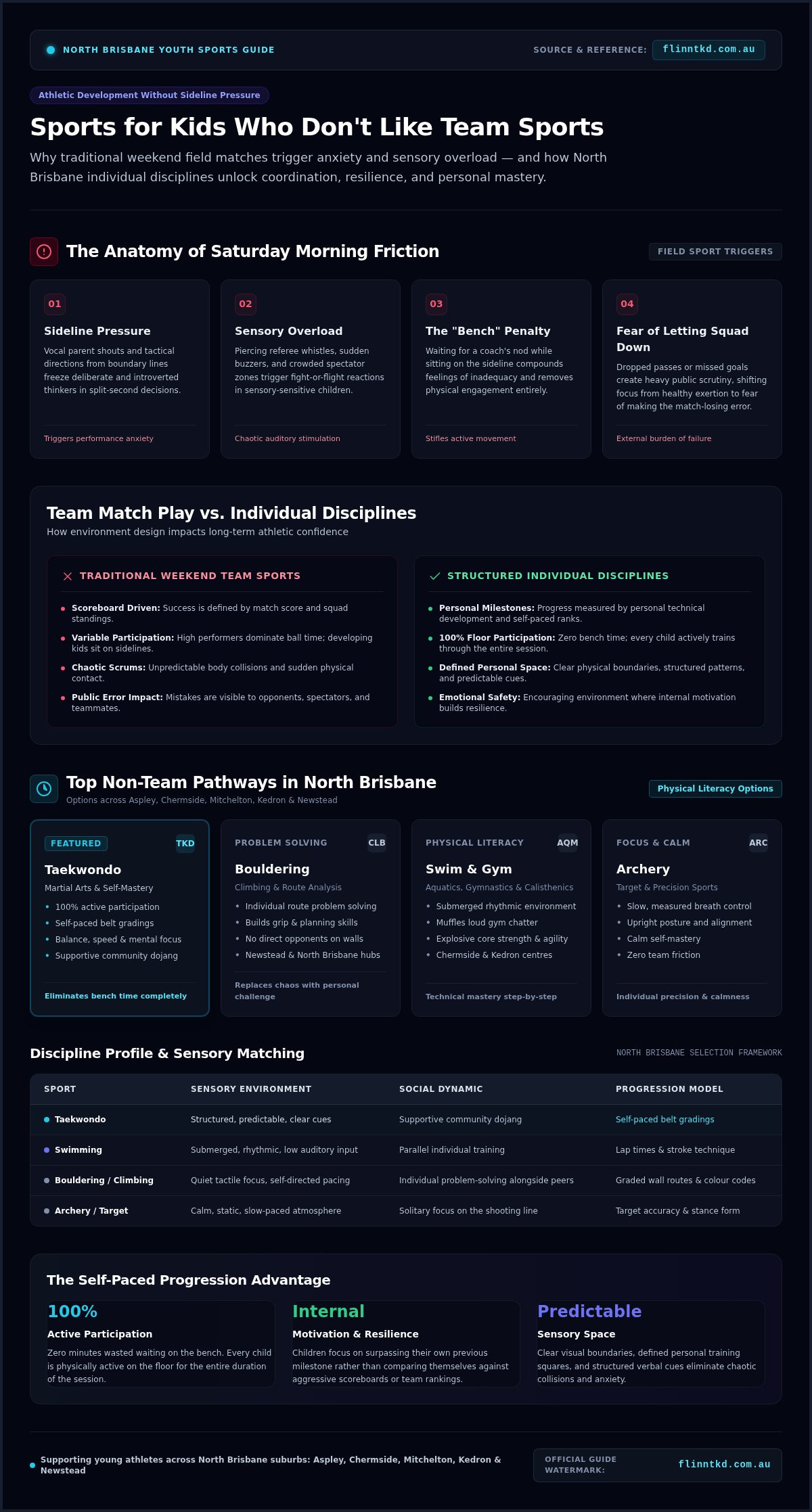
Saturday morning matches frequently amplify performance anxiety. Children often feel an intense burden to perform, heightened by vocal parents and coaches shouting tactical directions from the boundary line. For introverted or deliberate thinkers, this external noise freezes their decision-making. Instead of enjoying natural movement, they worry about making the game-losing error. Exploring dedicated sports for kids who don’t like team sports north brisbane helps remove this public scrutiny, shifting the focus from scoreboard metrics back to personal effort.
Sensory Overload and Chaotic Game Play
Field sports present a chaotic sensory environment that quickly overwhelms sensitive nervous systems. Consider the physical reality of a junior soccer or footy match:
- Piercing referee whistles and sudden, unpredictable buzzer blasts.
- Unfiltered sideline cheering, aggressive coaching calls, and crowded spectator zones.
- Unpredictable body collisions and chaotic scrums chasing loose balls.
For children who process sensory input deeply, this barrage triggers a fight-or-flight response rather than athletic engagement. When searching for sports for kids who don’t like team sports north brisbane, families find that structured disciplines offer an essential antidote. Clear expectations, defined personal space, and predictable physical patterns create the emotional safety kids need to build genuine physical confidence.
Top Non-Team Sports for Kids in North Brisbane
Looking beyond weekend field matches opens up fantastic pathways for building lifelong athletic habits. The proven benefits of sport participation for children do not require chasing a ball or managing team rivalries. North Brisbane suburbs feature exceptional facilities where young athletes thrive through solitary focus, measured physical challenge, and supportive coaching.
Martial Arts and Taekwondo
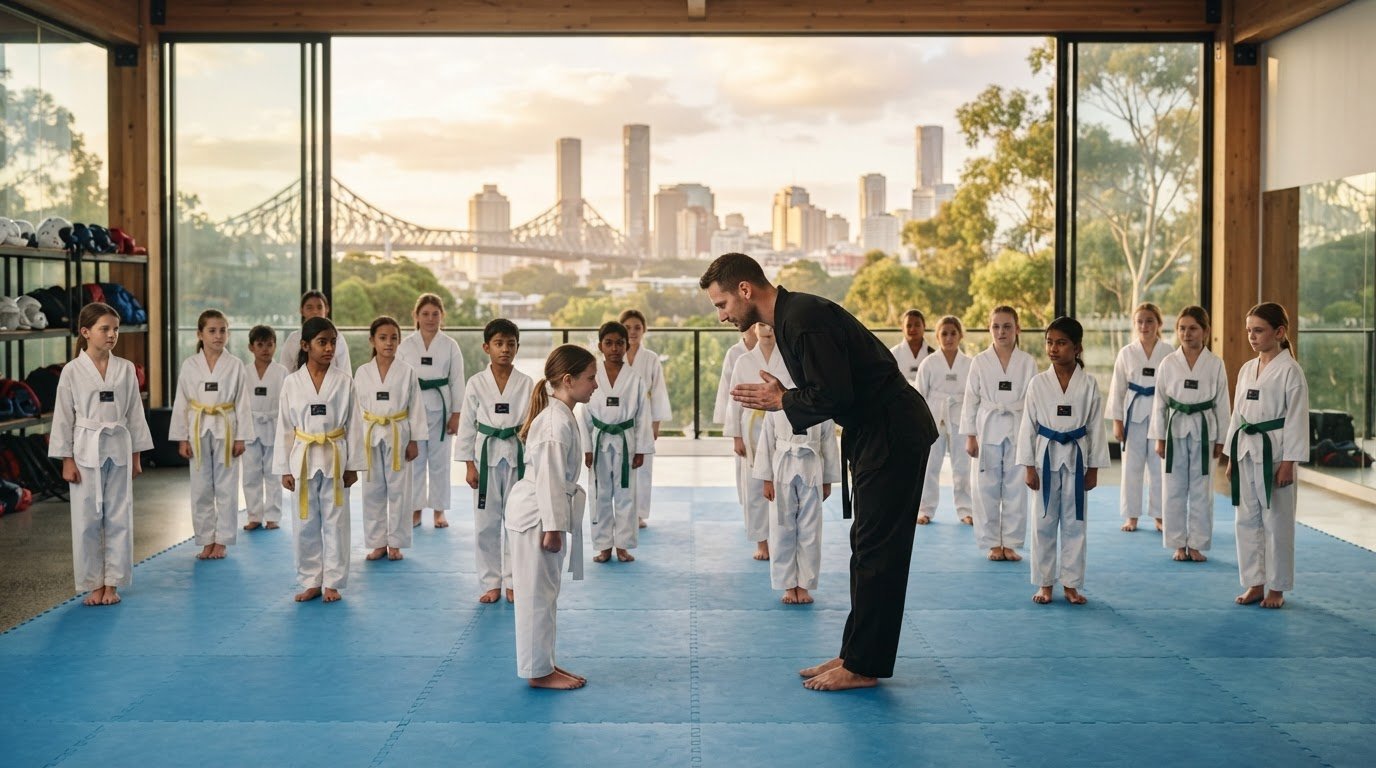
Traditional martial arts training combines personal skill progression with an uplifting class dynamic. Every student steps onto the training floor to improve their own balance, speed, and mental focus. In foundational classes like Junior Taekwondo Brisbane, children work through structured belt gradings at their own pace. There are no sidelines, meaning every student trains for the entire session without the fear of letting a team down.
Swimming, Gymnastics, and Calisthenics
Aquatics and gymnastics facilities around Chermside and Kedron offer superb physical literacy. Lap swimming immerses children in a predictable, rhythmic environment that naturally muffles loud gym chatter, though intensive squad swimming can occasionally risk early burnout. Gymnastics builds explosive core strength, agility, and balance, allowing children to master technical body movements step by step.
Bouldering, Climbing, and Target Sports
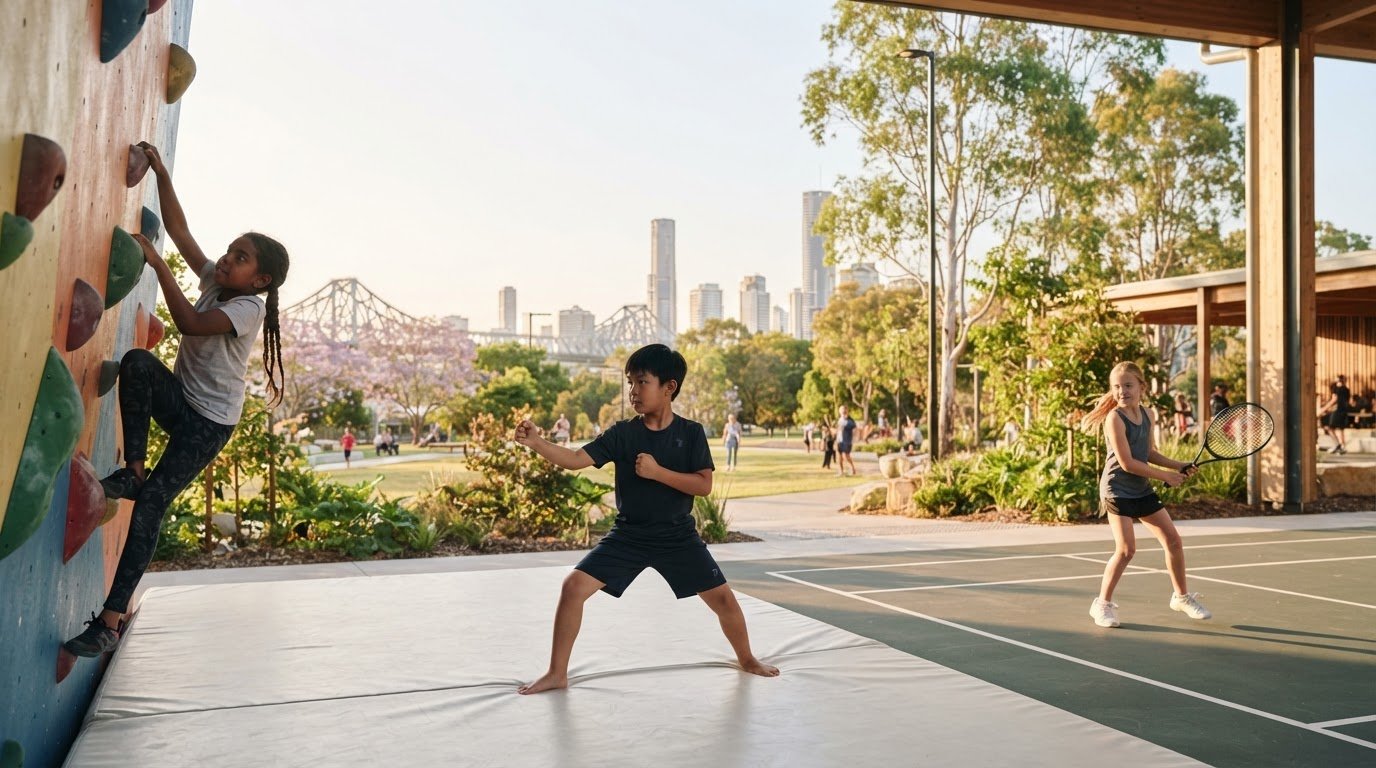
Indoor bouldering gyms across North Brisbane and near Newstead turn fitness into practical problem-solving. Children analyse climbing routes and scale walls independently, building grip strength and planning skills without direct opponents. Archery similarly rewards slow, measured breath control and upright posture. These disciplines serve as refreshing sports for kids who don’t like team sports north brisbane because they replace chaotic competition with calm self-mastery.
| Sport | Sensory Environment | Social Dynamic | Progression Model |
|---|---|---|---|
| 跆拳道 | Structured, predictable, clear cues | Supportive community dojang | Self-paced belt gradings |
| Swimming | Submerged, rhythmic, low auditory input | Parallel lane training | Time trials and stroke levels |
| Bouldering | Moderate noise, spatial problem-solving | Casual, cooperative cheering | Graded climbing walls |
| Archery | Quiet, stillness-focused | Independent shooting line | Scored target distances |
If you want an activity that builds grit while surrounding your child with positive role models, consider exploring a welcoming local martial arts program to see how individual milestone training sparks immediate enthusiasm.
Key Benefits of Individual Sports for Developing Children
When children step away from team-based scoreboards, their relationship with physical movement shifts dramatically. Instead of seeking fleeting approval from coaches or worrying about peer judgment, they begin pursuing internal milestones. Active participation in solo disciplines cultivates genuine autonomy. Children learn that their progress reflects their own dedication, which builds authentic self-reliance that extends far beyond the sporting arena.
State initiatives such as Queensland Government sport and recreation programs consistently highlight the value of physical literacy for young people. When searching for sports for kids who don’t like team sports north brisbane, parents quickly notice that individual activities replace unpredictable match pressure with structured, repeatable skill acquisition. This personal focus creates lasting athletic habits.
Self-Paced Progression Without Benchwarming
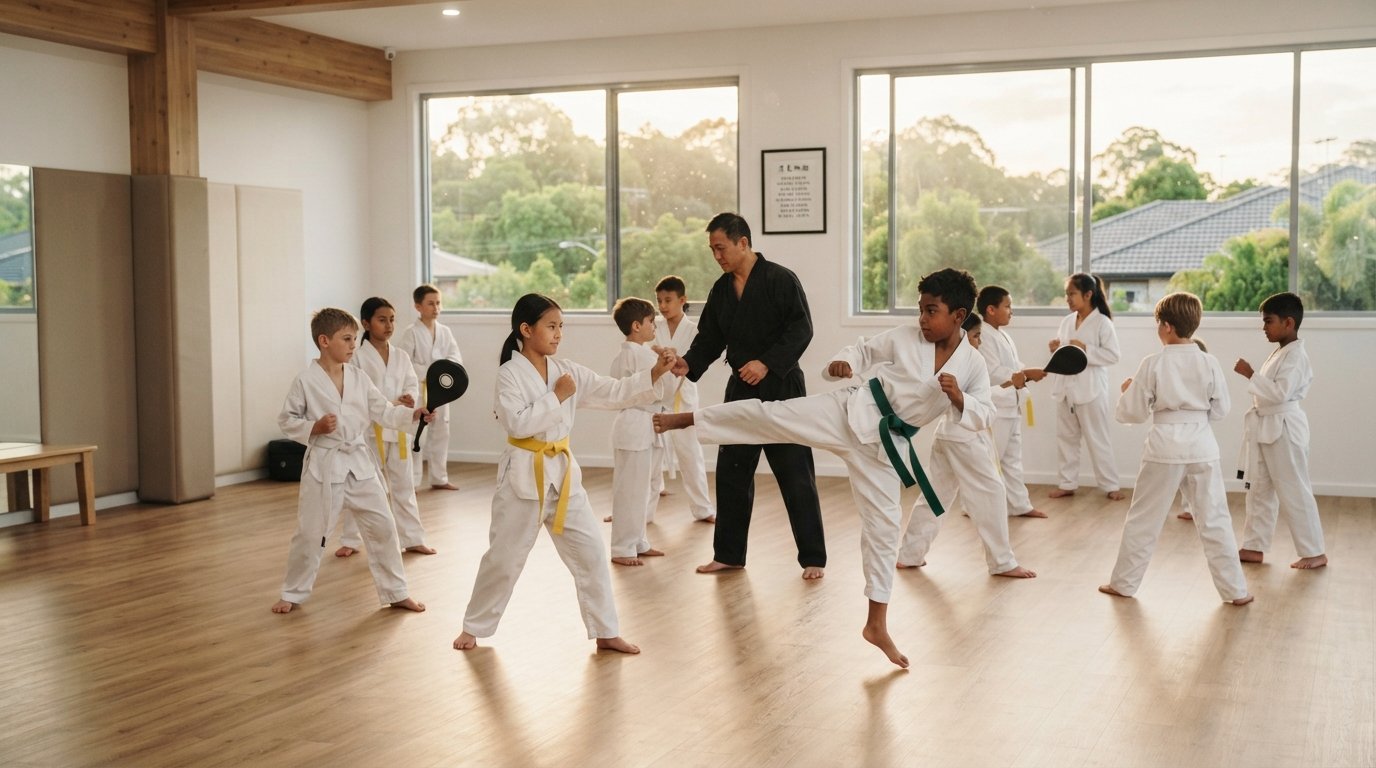
Traditional club sports often divide children into star starters and benchwarmers. That dynamic can quietly erode a young person’s athletic identity. Individual sports eliminate the bench entirely. In a dedicated martial arts class or climbing session, every child stays active for 100% of the session. Nobody sits on the sideline hoping for playing time.
Structured progression models, particularly colored belt systems in martial arts, provide clear visual roadmaps. Children compete only against their previous efforts. Earning a new rank or mastering an elusive technique rewards patience and steady work. This framework teaches children to view physical fitness as an ongoing personal journey rather than a stressful win-or-lose weekend match.
Building Intrinsic Motivation and Focus
Solo athletic disciplines teach children to navigate frustration constructively. When a technique feels awkward or balance falters, there is no referee or teammate to blame. Instead, students learn to pause, breathe, and reset:
- Targeted motor mastery: Breaking complex athletic movements into discrete, achievable drills develops refined coordination.
- Emotional regulation: Deliberate breath control and postural awareness help children quiet their minds under physical strain.
- Classroom crossover: The sustained concentration practiced during form training directly supports academic stamina and classroom listening skills.
These cognitive advantages begin early. For preschool and early primary learners, structured physical disciplines channel boundless energy into functional coordination and spatial awareness. When evaluating sports for kids who don’t like team sports north brisbane, prioritizing independent disciplines gives your child the physical resilience and quiet confidence to succeed on their own terms.
How North Brisbane Parents Can Choose the Right Sport
Selecting an activity for a child who feels alienated by team athletics requires looking past proximity or convenience. Finding the right fit is about aligning your child’s sensory profile with a club culture that celebrates individual persistence. Taking a methodical approach ensures you find a sustainable sporting home rather than another short-lived trial.
- Assess temperament and sensory needs: Determine whether high-energy dynamic movement or focused technical drills best suit your child.
- Prioritise developmental club cultures: Seek North Brisbane organisations that reward personal effort rather than trophy tallies.
- Verify safety and coaching standards: Check that every instructor holds an active Blue Card and recognised coaching accreditations.
- Attend an observation session: Watch how instructors engage with hesitant students before signing any agreements.
- Give your child final ownership: Involving them directly in the choice transforms reluctance into genuine investment.
Assessing Your Child’s Physical and Emotional Needs
Every child responds differently to sporting environments. Energetic kids who become frustrated by rigid team plays often thrive in high-movement martial disciplines or bouldering. Meanwhile, more reflective children often prefer technical arts where precision and quiet focus take center stage. Indoor, climate-controlled facilities also eliminate the harsh midday heat and open-field distractions of suburban ovals. You can review detailed selection criteria in our guide on finding martial arts near me.
Vetting Local Clubs, Instructors, and Facilities
When shortlisting sports for kids who don’t like team sports north brisbane, look closely at how facilities in suburbs like Strathpine, Chermside, and Aspley operate day to day. A quality provider will welcome your questions about safety, coach-to-student ratios, and behavioural support.
During an initial visit, pay attention to the emotional tone of the space. Do head instructors encourage struggling beginners with patience, or do they focus exclusively on natural athletes? A truly supportive environment reinforces respect, clear boundaries, and positive reinforcement. If you are looking for an inclusive discipline led by internationally accredited instructors, contact Flinn Taekwondo Academy to book an introductory trial and experience a family-focused dojang firsthand.
Why Taekwondo Offers the Perfect Team Sport Alternative
Taekwondo solves the classic dilemma for families seeking sports for kids who don’t like team sports north brisbane. It provides the structured social belonging of a club without the isolating pressure of team scoreboards. Instead of worrying about letting teammates down, children step onto the mats knowing their success depends entirely on their personal dedication and effort.
Every participant stays engaged throughout the entire session. There are no substitute benches, no waiting for the ball to be passed, and no public scolding for dropped catches. Students move together, learn together, and build athletic endurance simultaneously, creating an uplifting environment where peers encourage each other rather than compete for field time.
Individual Goals Within a Supportive Community
Traditional martial arts balance individual accountability with community spirit. Students line up together to practice foundational kicks, stances, and technical poomsae patterns, yet each child advances on their own distinct timeline. Your child works toward their next belt rank by mastering technical standards suited to their developmental stage.
Training also teaches vital children self defence, helping young people build physical boundaries, personal assertiveness, and situational awareness. As outlined in our regional overview of Taekwondo North Brisbane Academy, training in a disciplined dojang instills quiet self-assurance that carries directly into school life and social interactions.
The Flinn Taekwondo Academy Difference
Established in North Brisbane in 2013, Flinn Taekwondo Academy is a family-owned school committed to developing confident, resilient young people. Head instructor Master Jeff Flinn brings international accreditation and 7th Dan Black Belt expertise to every session, ensuring your child learns authentic Olympic-style martial arts in a secure, structured environment.
We tailor our training to match specific age brackets and developmental stages:
- Little Tigers Program (ages 4 to 6): Focuses on gross motor control, balance, emotional regulation, and listening skills.
- Junior Taekwondo Program (ages 7 to 12): Develops physical coordination, self-discipline, technical kicking mastery, and personal perseverance.
If you want your child to discover the joy of movement free from match-day dread, individual martial arts training provides the ideal path forward. We invite you to book a trial class at Flinn Taekwondo Academy and see how our structured community helps non-team athletes find their stride.
Help Your Child Build Confidence on Their Own Terms
Every child deserves to experience the pride of physical achievement without sideline anxiety or the dread of sitting on a bench. Stepping away from chaotic field games allows young athletes to focus on personal mastery, emotional resilience, and functional coordination at their own pace. When researching sports for kids who don’t like team sports north brisbane, finding an encouraging environment makes all the difference.
Flinn Taekwondo Academy has proudly served local families across North Brisbane since 2013. Under the international accreditation and leadership of Master Jeff Flinn, a 7th Dan Black Belt, we provide age-dedicated pathways including our Little Tigers Program (ages 4 to 6) and Junior Taekwondo Program (ages 7 to 12). Your child will gain practical self defence skills, unshakeable focus, and lasting friendships in a supportive setting where every student participates from start to finish. Book your child’s introductory trial class at Flinn Taekwondo Academy today and watch them unlock their true athletic potential.
常見問題
What are the best sports for a child with low muscle tone who hates ball games?
Disciplines like Taekwondo, swimming, and indoor climbing are ideal because they build core stability and gross motor control through predictable bodyweight movements. Unlike fast ball sports that require tracking erratic objects, these activities allow children to engage their stabilizing muscles systematically. Children gain postural endurance and physical coordination at their own pace without feeling clumsy or rushed by teammates.
Is martial arts safe for young children who feel easily overwhelmed?
Yes, traditional martial arts classes offer an orderly, structured environment that helps sensitive children thrive. Quality North Brisbane dojangs maintain strict floor etiquette, quiet coaching, and predictable routines that eliminate the sensory chaos of field sports. In specialized programs like Little Tigers (ages 4 to 6), instructors guide students through clear, repetitive drills with designated personal space, ensuring every child feels emotionally secure.
Will my child miss out on learning teamwork if they only do individual sports?
Not at all, because individual sports still cultivate deep social connection, empathy, and mutual respect. When researching sports for kids who don’t like team sports north brisbane, parents often discover that training alongside peers fosters positive camaraderie without the toxic blame of lost games. Students bow to training partners, celebrate each other’s belt advancements, and practice active listening together, instilling authentic social maturity.
How do I know if my child is ready for structured martial arts training?
Most children are developmentally ready for structured training from age four, provided the class is tailored to their age group. If your child can follow basic two-step verbal instructions and participate in small-group activities for thirty minutes, they are ready to begin. Age-dedicated curriculums like the Little Tigers program (4 to 6 years) use engaging coordination exercises to teach focus and mat etiquette gradually.
What should we do if our child wants to quit after the first difficult session?
Acknowledge their initial discomfort, but encourage them to complete at least three to four scheduled sessions before making a final decision. Trying an unfamiliar sport triggers natural hesitation, especially for children recovering from sideline anxiety. Speak with the instructor about what felt overwhelming during class. Breaking complex skills into smaller milestones helps your child build the resilience required to push through early learning curves.
How many days per week should a beginner attend non-team sports classes?
Attending two structured sessions per week provides the perfect balance of consistency and skill retention for beginner athletes. Two weekly classes give young children enough practice to retain motor patterns without causing physical fatigue or calendar burnout. For families exploring sports for kids who don’t like team sports north brisbane, this steady rhythm builds positive exercise habits while leaving ample time for schoolwork, rest, and unstructured play.
Can individual sports help children who experience schoolyard bullying?
Yes, individual disciplines build upright posture, assertive body language, and the internal self-belief needed to deter schoolyard intimidation. Dedicated programs that teach children self defence give students practical boundary-setting techniques and calm de-escalation habits. As children master physical coordination and earn visible milestones, they carry themselves with quiet assurance. Bullies rarely target children who project confidence, clear boundaries, and alert situational awareness.