What if your child doesn’t need to be naturally athletic to find a sport they enjoy? If fast-paced team games have left them feeling discouraged or on the sidelines, it’s understandable to wonder whether there’s a better fit. The right brisbane sport for non-athletic child can give a beginner time to learn at their own pace, build coordination and feel proud of steady progress.
Choosing an activity isn’t about pushing your child to compete. It’s about finding an environment where they feel comfortable trying, making mistakes and developing confidence. In this guide, compare welcoming options in Brisbane and consider what may suit your child’s age, interests and personality.
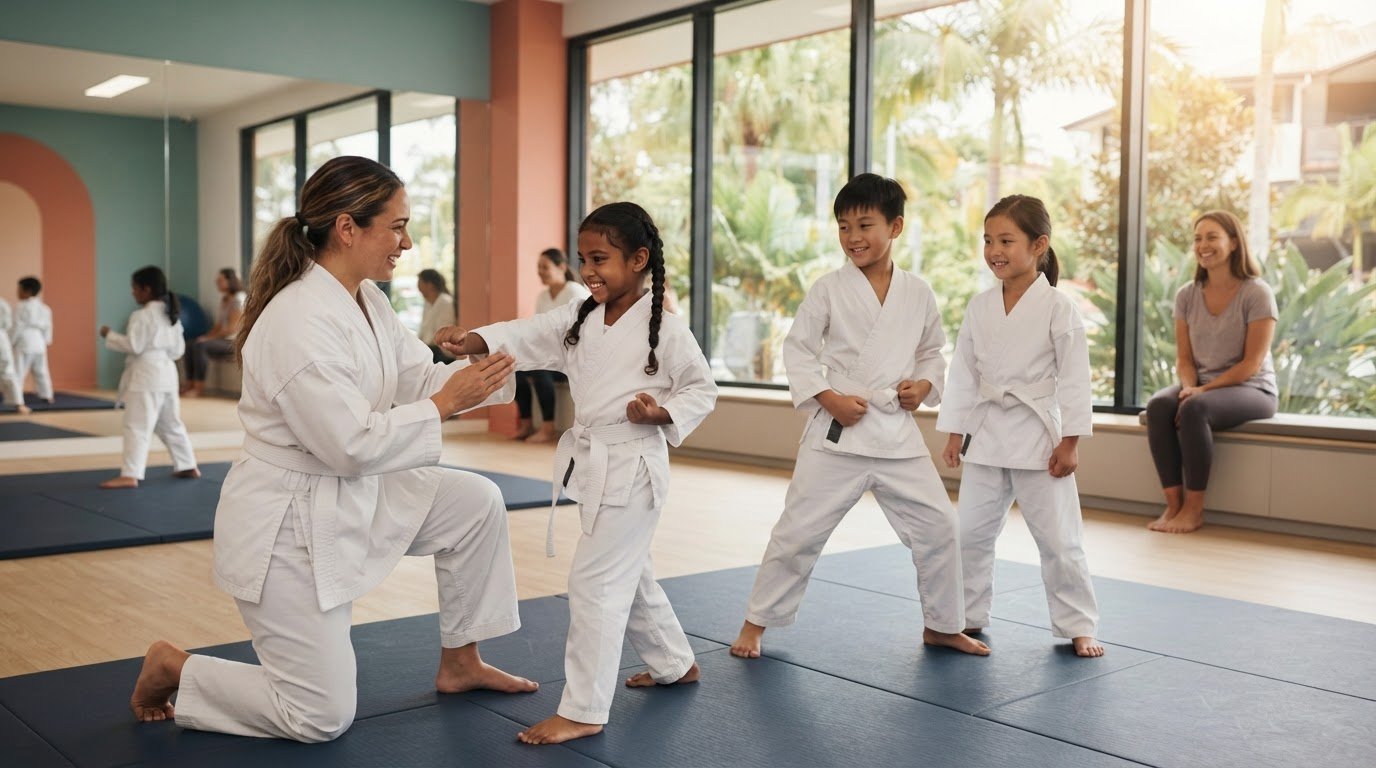
Structured Taekwondo can suit children who respond well to clear instruction and individual progress. At Flinn Taekwondo Academy, the Little Tigers Program is for ages 4-6, while the Junior Taekwondo Program is for ages 7-12. A suitable first activity should feel achievable, supportive and enjoyable, with room to build one skill at a time.
主要心得
- Think of “non-athletic” as your child’s current confidence or experience level, not a limit on what they can learn.
- Compare team games, swimming, dance, gymnastics, athletics and martial arts by how each supports participation, social comfort and skill progression.
- Use the comparison as a starting point for discussion, not a prediction of which activity your child will enjoy most.
- Make a first attempt manageable: talk about your child’s interests, prepare simply and agree on one achievable goal.
- When exploring a brisbane sport for non-athletic child, consider whether clear instruction and step-by-step practice could help your child feel capable.
Choosing a Brisbane sport for a non-athletic child: start with fit, not ability
“Non-athletic” often describes how a child feels right now, not what they’re capable of becoming. They may have had little practice, feel unsure in a group or need more time to coordinate new movements. Patient guidance and positive experiences can help them build confidence from that starting point.
If your child has felt left out in a fast-paced game, it makes sense to worry about pressure, comparison or another activity they might want to quit. Take those concerns seriously. A first sport should offer a chance to join in, learn and notice small wins, rather than making children feel they must keep up from day one. This supports physical literacy, the developing confidence, motivation and competence to take part in physical activity.
A beginner-friendly sport makes participation achievable, teaches skills in manageable steps and encourages effort without comparing a child’s progress with someone else’s.
What makes a sport feel welcoming to a beginner?
Look for clear instructions, skills that can be practised in stages and room for children to improve at their own pace. Supportive coaching helps a child understand what to try next and recognise effort, not just polished performance. A healthy challenge might be learning one new movement. Pressure is feeling that mistakes or slower progress mean they don’t belong.
Enjoyment matters because children are more likely to keep practising when the experience feels worthwhile. Progress can be simple: remembering a sequence, moving with better control or feeling more ready to take part. These moments build a sense of capability without making competition the measure of success.
Which clues reveal the activity style your child may enjoy?
Notice what draws your child in during play and everyday activities. Do they like working through a task alone, joining a team, moving to music or following a structured routine? Do they enjoy repeating an action until it feels familiar, imaginative games with changing roles or goals they can track? These preferences can help you choose a first activity to explore.
Treat the clues as a starting point, not a label. A child who is cautious in team games may still enjoy a group activity with clear individual steps. Someone who likes repetition may also become curious about a new style once they feel more confident. The right brisbane sport for non-athletic child gives them a comfortable way to begin and space to discover what they can do.
Brisbane sports for hesitant children: understand different ways to take part
No single activity suits every child who feels unsure about sport. Think about how they’ll participate: alongside a team, practising individual skills in a group, moving to music or following a clear sequence. Each format creates a different social and learning experience, so compare the activity style rather than assuming one sport is automatically the best fit.
Team sports, swimming and dance: different social and movement experiences
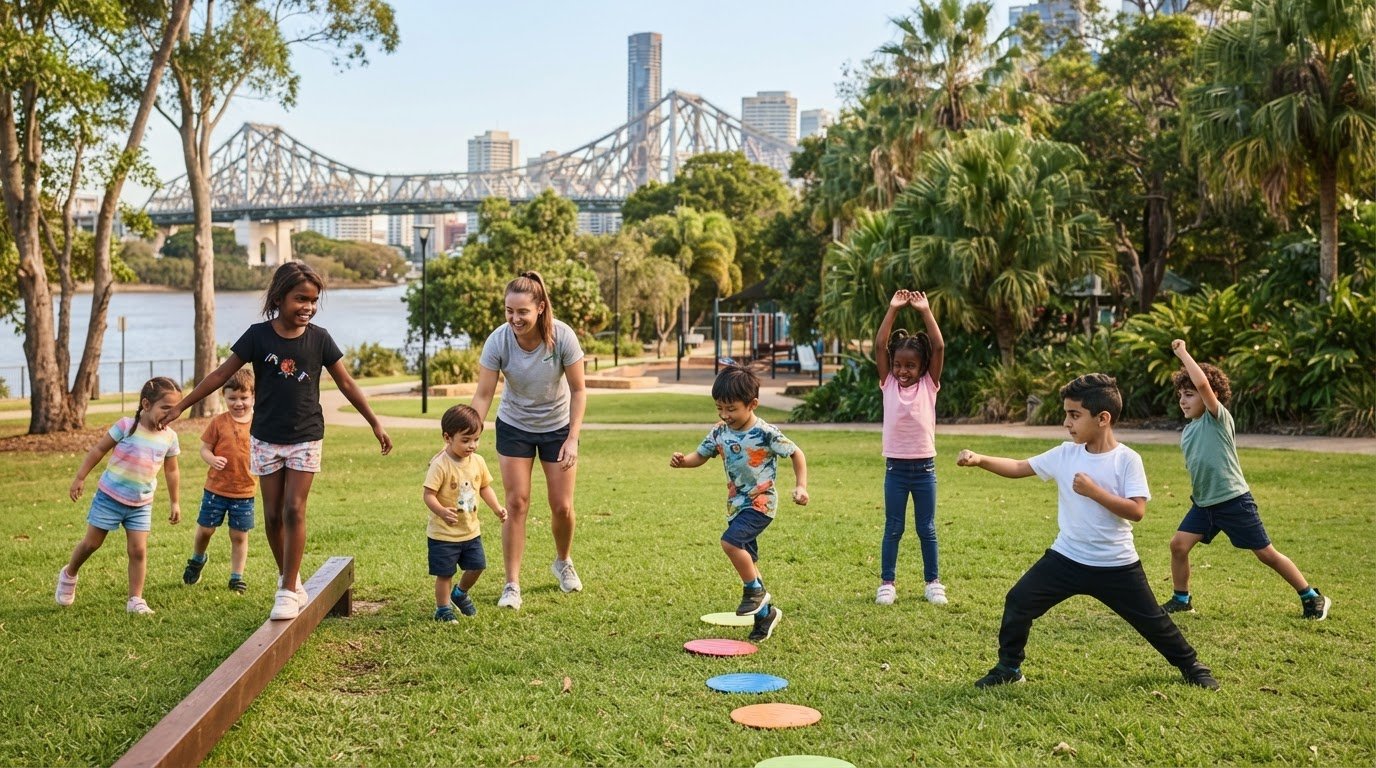
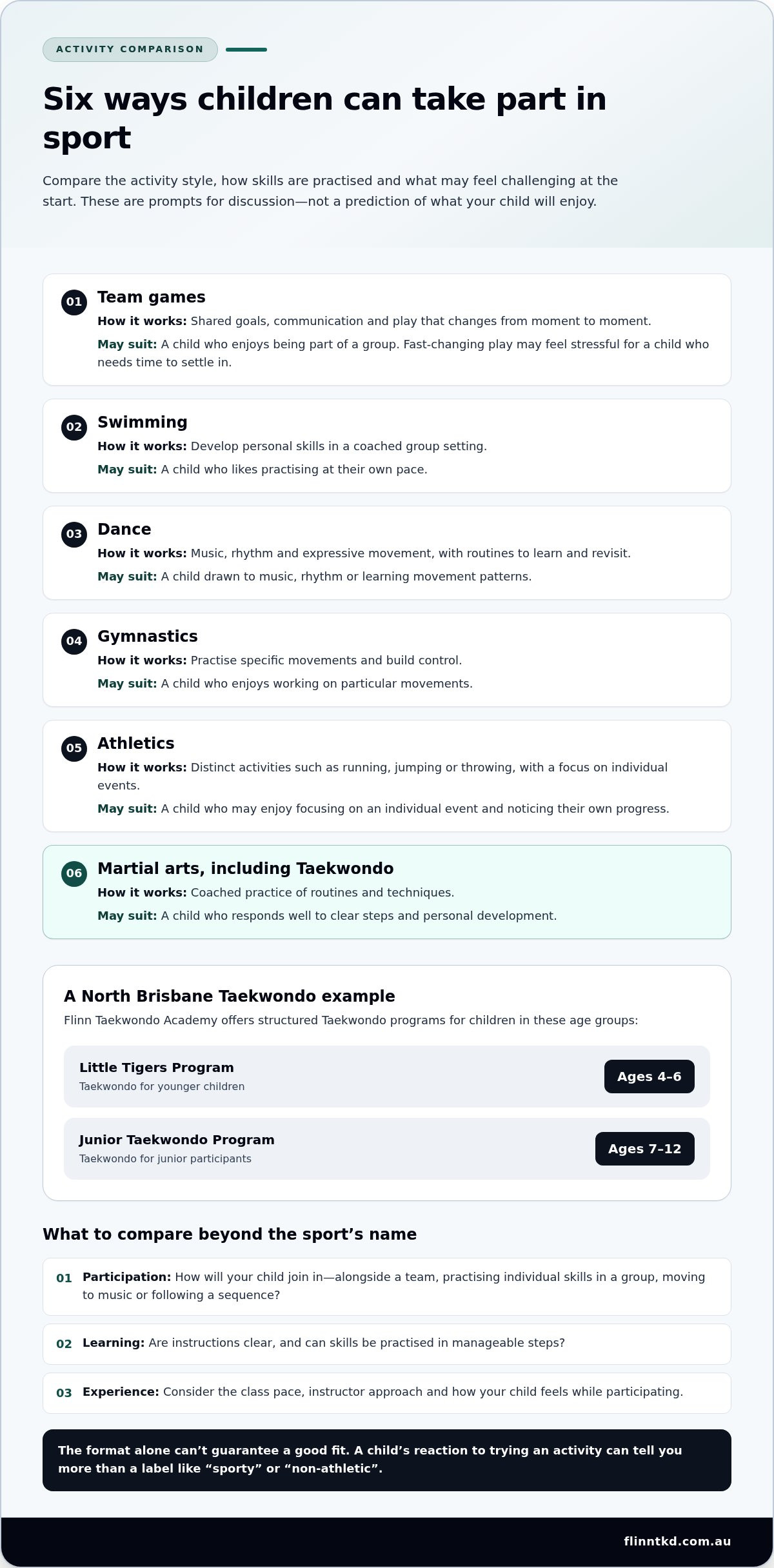
Team games give children shared goals, communication and play that changes from moment to moment. A child who enjoys being part of a group may like the teamwork, while one who finds fast-changing play stressful may need time to settle in. Swimming often centres on developing personal skills in a coached group setting, which may appeal to a child who likes practising at their own pace. Dance can suit children drawn to music, rhythm and expressive movement, with routines offering patterns to learn and revisit.
These activities also provide different ways to be active. Nemours KidsHealth outlines the benefits of regular exercise for children. A useful starting point is an activity your child is willing to try and can approach with confidence.
Gymnastics, athletics and martial arts: structured skill-building options
Gymnastics can appeal to a child who likes practising specific movements and building control. Athletics offers distinct activities such as running, jumping or throwing, so children can focus on individual events and notice their own progress. Martial arts, including Taekwondo, involves coached practice of routines and techniques. It may suit a child who responds well to clear steps and personal development.
The format alone can’t guarantee a good fit. Class pace, instructor approach and how your child feels while participating all shape the experience. In North Brisbane, Flinn Taekwondo Academy offers the Little Tigers Program for ages 4-6 and the Junior Taekwondo Program for ages 7-12. If your child is curious about structured Taekwondo practice, explore the children’s Taekwondo programs as one option among the activities you’re considering.
As you compare each brisbane sport for non-athletic child, picture the experience from your child’s perspective: how they’ll join in, what they’ll practise and what might help them feel encouraged. Their reaction to trying an activity can tell you more than a label like “sporty” or “non-athletic”.
How to compare Brisbane activities when your child lacks sporting confidence
A useful comparison looks beyond the sport’s name. Consider how children take part, how they learn skills and what might feel challenging at the start. The table offers prompts for a family discussion, not a prediction. Only your child’s experience can show whether an activity feels enjoyable.
| Activity | Format and social setting | Possible skill progression | Possible barriers |
|---|---|---|---|
| Team games | Shared goals and changing play with teammates | Practising basic skills, communication and game awareness | Fast changes, group comparison or uncertainty about when to join in |
| Swimming | Personal skill practice in a coached group setting | Developing movement and technique step by step | Water confidence or comfort in a pool environment |
| Dance | Group movement shaped by music and routines | Learning rhythm, sequences and coordination | Feeling self-conscious about performing or following music |
| Gymnastics | Structured practice of distinct movements | Building control and attempting skills in stages | New movements may feel unfamiliar or challenging |
| Athletics | Individual events practised alongside others | Tracking personal development in activities such as running or jumping | Some events may feel less appealing than others |
| Martial arts | Coached group practice with routines and techniques | Learning movements progressively through practice | A formal structure may take time to feel familiar |
What should parents compare before choosing a sport?
Compare the activity’s structure, social setting and opportunities to practise individual skills. Use class information to understand the group setting and how instruction is organised. Then weigh up practicalities: travel from home or school, the schedule and whether the routine fits family life in Brisbane. An activity your child is curious about and your family can manage may be a better starting point than an idealised choice that feels daunting.
Match the activity’s demands to your child’s current comfort. If quick group play feels overwhelming, a format with more individual skill practice may feel manageable. That doesn’t rule out team games later. The aim is to choose a first step, not define your child’s sporting identity.
How can you tell whether a class feels supportive?
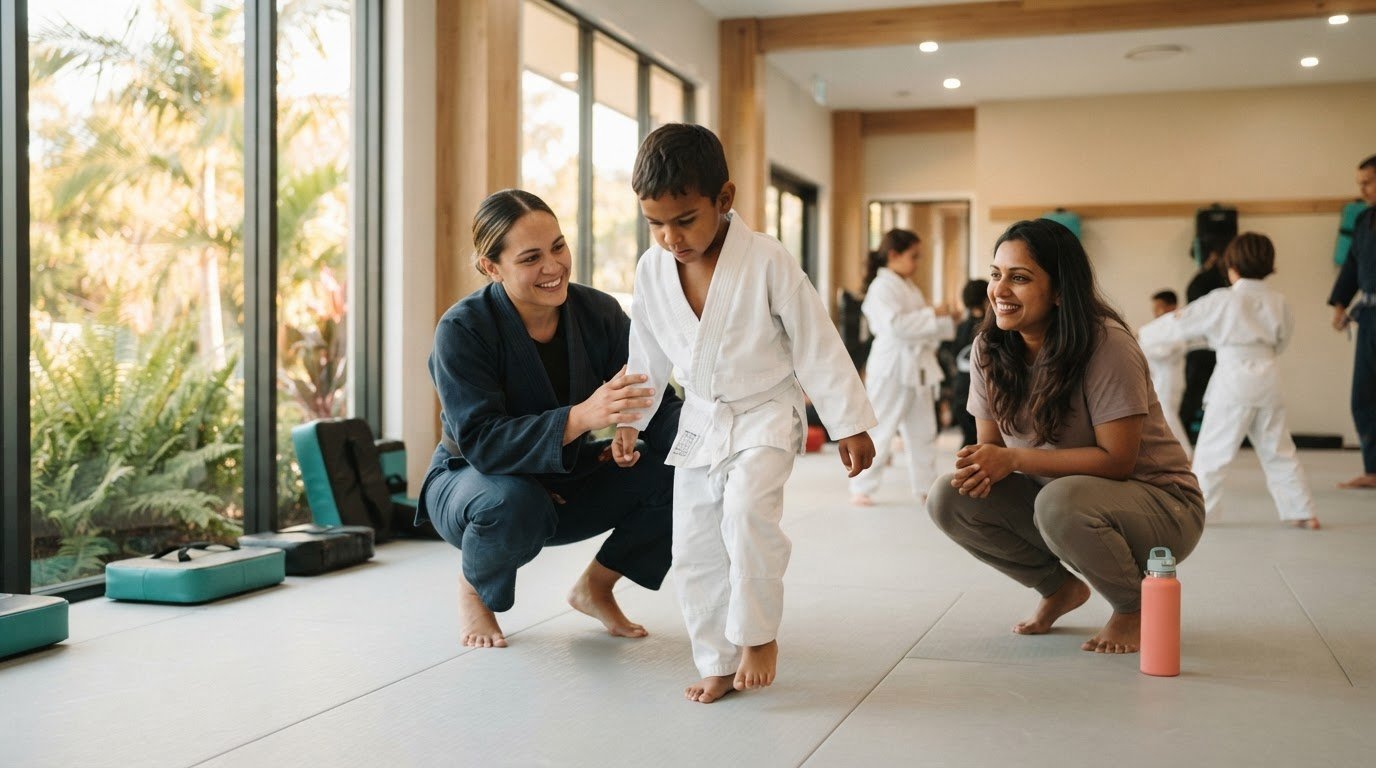
Look for clear instructions, respectful encouragement and expectations that make room for beginners. Children should be able to learn at different speeds without being singled out or treated as if mistakes mean failure. After a session, ask your child what felt comfortable, what felt tricky and whether they’d like to try again. Listen without pushing for an immediate yes.
The best first activity is the one your child is willing to try. Use that willingness, alongside practical fit and a welcoming learning environment, to choose a brisbane sport for non-athletic child that offers a realistic place to begin.
A low-pressure plan for helping a child try sport in Brisbane
A first activity doesn’t need to be a test of talent. Give your child a manageable way to explore it, with the focus on taking part and discovering how it feels. Use this simple sequence:
- Talk about interests. Ask what kinds of movement or activities sound appealing, and what feels worrying.
- Choose a format. Consider whether your child might prefer a team setting, individual skill practice, music or structured routines.
- Prepare simply. Explain what they may see and do, and help them choose one small goal.
- Attend and reflect. Notice how your child responds, then talk about the experience without judging their performance.
Make the first goal achievable: joining in, following one instruction or learning one new movement. Confidence can develop gradually through repeated experiences. Avoid promising that a child will love an activity or feel confident straight away. A calm first step is progress in itself.
Prepare a reluctant child for their first activity
Use straightforward, age-appropriate language to explain what the child can expect, without making the session sound like a performance. Let them choose one question to ask or one small thing to try. For example, their goal might be to join in when they feel ready or practise a single movement. Keep the emphasis on trying and noticing how the class feels.
Review the experience without adding pressure
Afterwards, ask what felt enjoyable, confusing or challenging. Questions such as “What would you like to try again?” invite more useful reflection than “Were you the best?” First-day nerves don’t always mean an activity is a poor fit, but a child’s ongoing lack of interest deserves attention too. Use their feedback to decide whether to continue, adjust the goal or explore a different format. There’s no need to force a quick decision.
If Taekwondo is one of the formats your child is curious about, read this guide to Taekwondo for Brisbane families to understand the activity. For a child considering a structured martial arts option, explore children’s Taekwondo at Flinn Taekwondo Academy. The right brisbane sport for non-athletic child is a first step your child can approach at their own pace.
Why Taekwondo can suit some non-athletic children in North Brisbane
Taekwondo is one option to consider, not a universal answer or a replacement for every other sport. Its structured approach may appeal to a child who feels more comfortable with clear instruction and practising skills step by step. A beginner can focus on learning, coordination and personal progress rather than needing to arrive with natural athletic ability.
That structure won’t suit every child. Some prefer the changing play of team games or the movement style of dance. Consider how your child responds to coached practice and routines, alongside their interests and comfort. A good fit is one they’re willing to explore, without pressure to compete or master skills straight away.
What might a child gain from beginning Taekwondo?
Training can support development in confidence, discipline and physical fitness. Practising skills gives a child a chance to revisit movements and notice personal progress over time, such as feeling more familiar with a technique or more willing to take part. These gains take practice and vary from child to child. Taekwondo doesn’t remove every challenge, but a supportive, structured setting can give beginners a clear place to start.
Which Flinn Taekwondo program matches your child’s age?
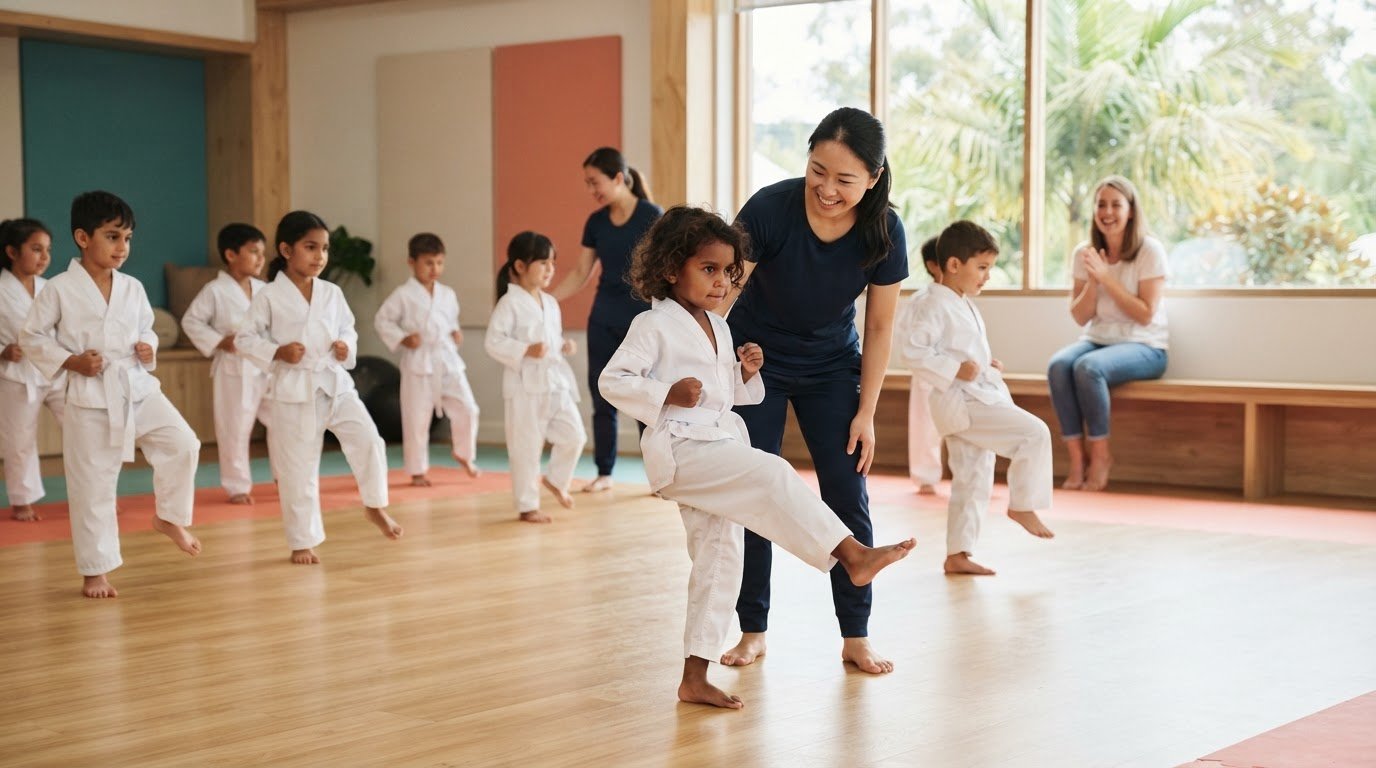
Flinn Taekwondo Academy’s Little Tigers Program is for children aged 4-6. The Junior Taekwondo Program is for ages 7-12. These age ranges help you identify the program relevant to your child without assuming they need previous sporting experience. If your child is in the 7-12 age range, the Junior Taekwondo Program offers a structured pathway for young learners.
For families weighing up a brisbane sport for non-athletic child, Taekwondo may be worth exploring if your child is drawn to clear steps and steady skill practice. Flinn Taekwondo Academy is a family-owned North Brisbane school established in 2013, with training that supports discipline, confidence and physical fitness.
If this structured approach sounds like a possible fit for your child, take a low-pressure next step and explore children’s Taekwondo at Flinn.
Choose a first step your child can feel good about
The right activity isn’t the one that demands the most athletic ability. It’s the one your child feels ready to try, with room to learn skills, take part and build confidence at their own pace. Compare activity styles, consider your child’s interests and your family’s practical routine, then use their experience to decide what comes next.
For a child who responds well to clear instruction and steady skill practice, Taekwondo may be one option to explore. Flinn Taekwondo Academy is a family-owned North Brisbane school, established in 2013 and operated by internationally accredited 7th Dan Black Belt Master Jeff Flinn. The Little Tigers Program is for ages 4-6, and the Junior Taekwondo Program is for ages 7-12.
Take a low-pressure next step and explore children’s Taekwondo at Flinn Taekwondo Academy. The best beginning is a manageable one. With encouragement and time to discover what they enjoy, your child can take pride in every step forward.
常見問題
Is Taekwondo suitable for a child who is not athletic?
Yes, Taekwondo may suit a child who prefers clear instruction and step-by-step skill practice. A child doesn’t need to arrive with sporting experience to begin learning, though each child’s comfort and progress will differ. Training can support confidence, discipline and physical fitness as skills develop. If you’re considering a brisbane sport for non-athletic child, think about whether your child would enjoy coached routines and personal progress.
What is a good first sport for a shy or uncoordinated child?
A good first sport is one your child feels willing to try, rather than one that’s universally best for shy or uncoordinated children. Consider whether they prefer individual skill practice, a team setting, music or structured routines. Swimming, dance, athletics and martial arts offer different ways to participate. Start with your child’s interests, then consider the class environment and whether its pace feels manageable.
Can a child try sport without joining a competitive team?
Yes. Children can take part in physical activities that focus on learning, practice and enjoyment rather than team competition. Activity formats vary: a child might work on personal skills in swimming or athletics, learn dance routines, or practise martial arts techniques. Ask what the child hopes to get from starting, and set a simple goal, such as joining in or learning one new movement.
How do I help my child feel confident before their first sports class?
Help your child feel prepared by explaining in calm, age-appropriate language what they may see and do. Let them choose one question to ask or one achievable goal, such as trying a movement or joining in when ready. Keep the focus on experiencing the class, not performing perfectly. Afterward, ask what felt enjoyable, confusing or challenging, and listen without pushing for an immediate commitment.
Which sports in Brisbane suit children who prefer individual activities?
Children who like individual tasks might enjoy swimming, athletics or gymnastics, where they can practise particular skills and notice their own progress. Dance may appeal to a child who likes music and learning sequences, while martial arts can suit one who responds to structured instruction. These activities may still happen in a group setting. Consider your child’s interests, comfort and the practical fit of the class in Brisbane.
Is martial arts a sport for children who do not enjoy team games?
Martial arts may suit children who prefer practising individual skills within a coached group rather than following fast-changing team play. Taekwondo, for example, involves learning techniques and routines, with progress developed through practice. That doesn’t mean it will be right for every child. Consider how your child responds to structured instruction and whether they’re interested in trying this style of activity.
What age can a child start Taekwondo at Flinn Taekwondo Academy?
Children can begin in Flinn Taekwondo Academy’s Little Tigers Program at ages 4-6. The Junior Taekwondo Program is for children aged 7-12. These age ranges help you identify the program aligned with your child’s age. The North Brisbane academy is family-owned and operated by internationally accredited 7th Dan Black Belt Master Jeff Flinn, and has served the community since 2013.