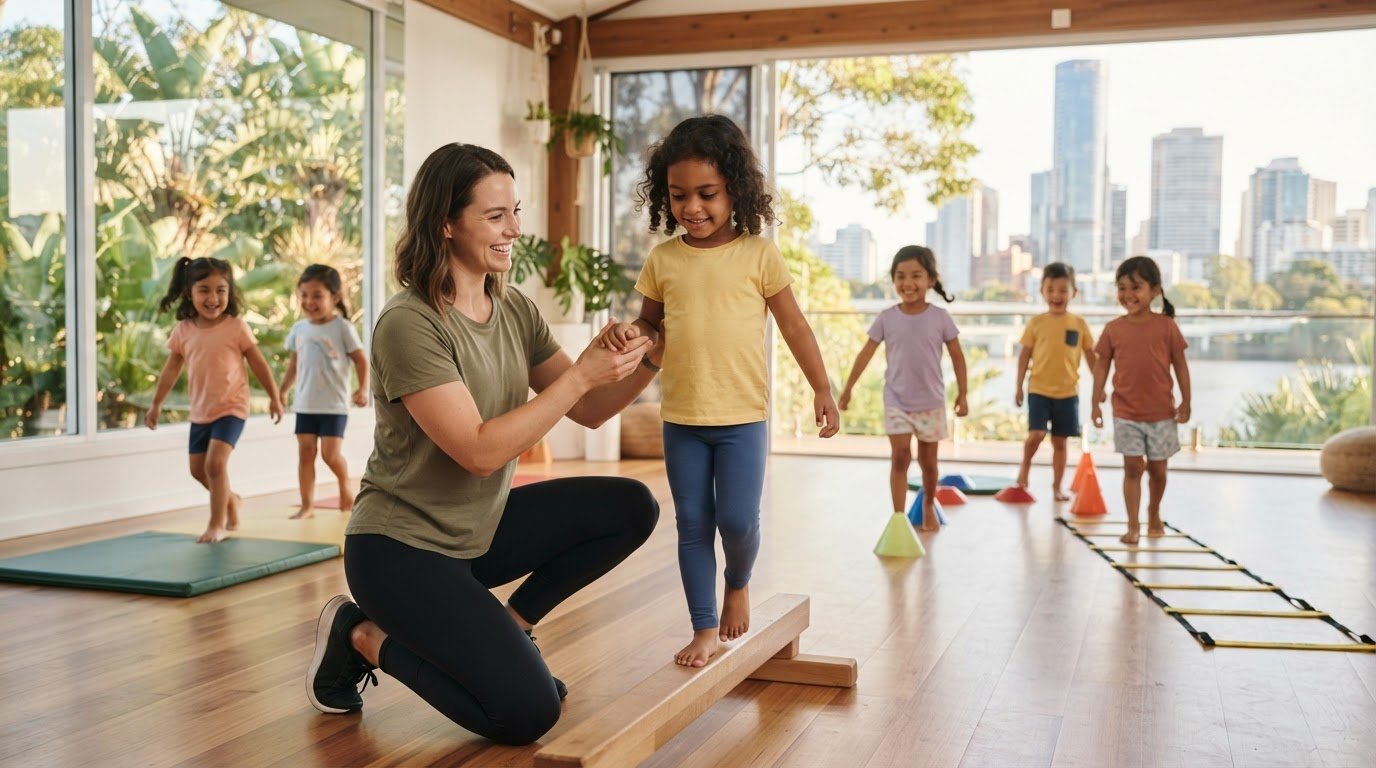
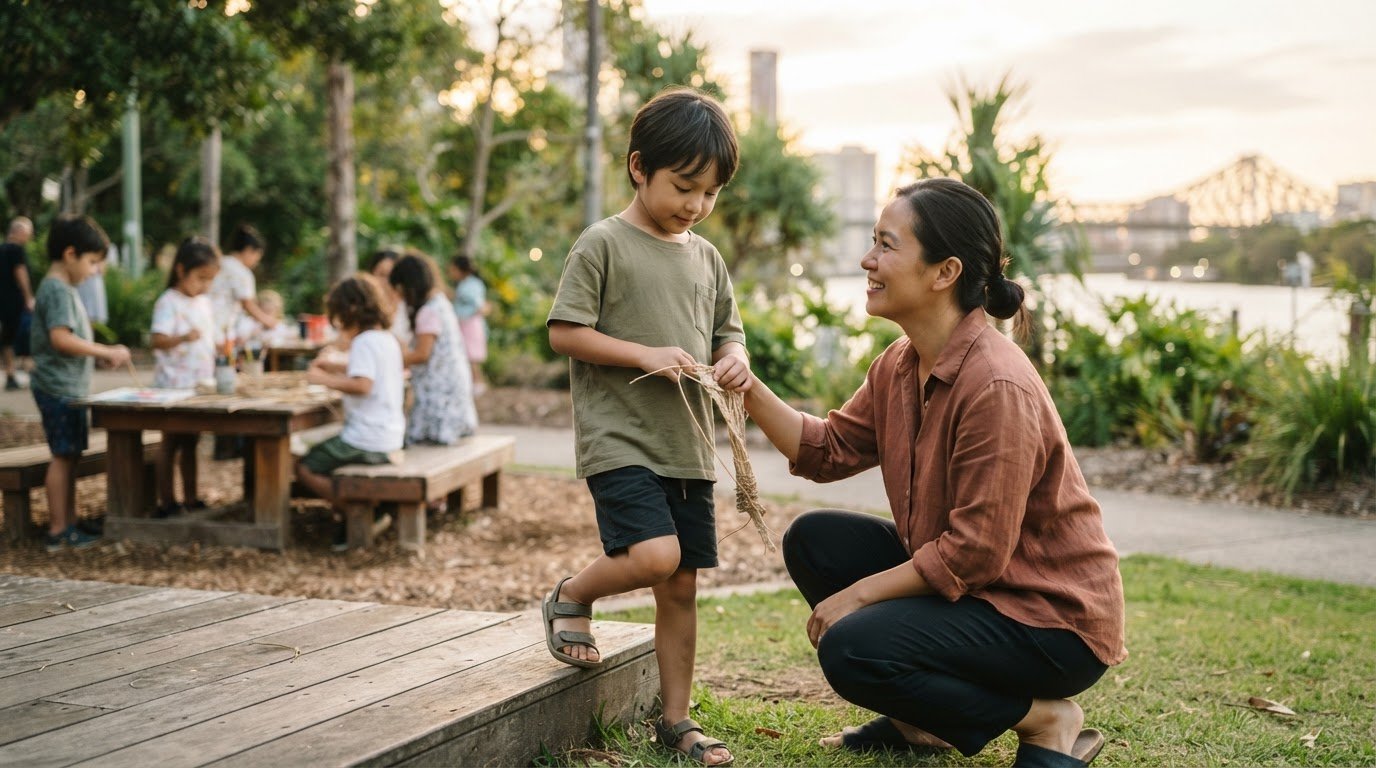
To learn how to build confidence in a quiet child in Brisbane, accept their temperament and help them practise small challenges at their own pace. Listen to what feels difficult, praise effort as well as progress, and make room for interests that help them feel capable. Confidence grows through supportive experiences, not pressure to become outgoing.
It’s natural to want your child to feel comfortable joining in, speaking up and trying new things. A quiet nature isn’t a flaw to fix. The goal is to help your child feel secure enough to take steps that suit them.
These practical approaches show how to make daunting activities more manageable, practise confident communication and build on your child’s strengths. Start small, notice progress and give them room to grow in their own way.
主要心得
- Help your child notice and name their feelings so they can better understand what makes a situation feel challenging.
- Make daunting activities feel more manageable by breaking them into small, achievable steps and recognising each effort.
- Practise everyday communication through calm conversations where your child can share ideas and express a different view.
- Build on your child’s interests and abilities to create opportunities for confidence that feel natural to them.
1. How to raise confident kids?
Confidence develops through everyday moments, and a quiet temperament isn’t a flaw to fix. A child’s confidence can change as they grow, so focus on their progress rather than comparing them with siblings or classmates. If you’re wondering how to build confidence in a quiet child in Brisbane, begin by helping them recognise their feelings. Ask what they think, feel and notice in their body when something feels difficult. Try, “What were you worried might happen?” or “Did your stomach feel tight?” Listen without correcting their answer. Naming emotions such as nervousness, disappointment or pride helps children understand their reactions.
Negative self-perceptions can make a new challenge feel impossible. If your child says, “I’m bad at this,” acknowledge the feeling, then explore the thought: “What part felt hard, and what could you try next?” Cognitive behavioural strategies can help children identify and challenge unhelpful thought patterns. Focus on effort and learning, not just the final result. If a drawing, game or conversation disappoints them, treat the mistake as useful information for another attempt. Avoid labels such as “shy”; describe the moment instead: “You took time before joining the game.”
Strengthen self-esteem by noticing individual growth and offering meaningful choices. Let your child choose a book, activity or outfit, and show them that their ideas matter. Helping a quiet child in Brisbane build confidence also means using body-positive language in everyday life. Avoid making appearance the measure of worth or comparing bodies. Recognise what your child’s body helps them do, such as running, drawing or giving someone a comforting hug. If negative self-talk returns, name the feeling, ask what prompted it, and help find a fairer thought. “Nobody likes me” might become, “I felt left out today, and I can talk to someone I trust.”
2. Encouraging children to attempt daunting activities
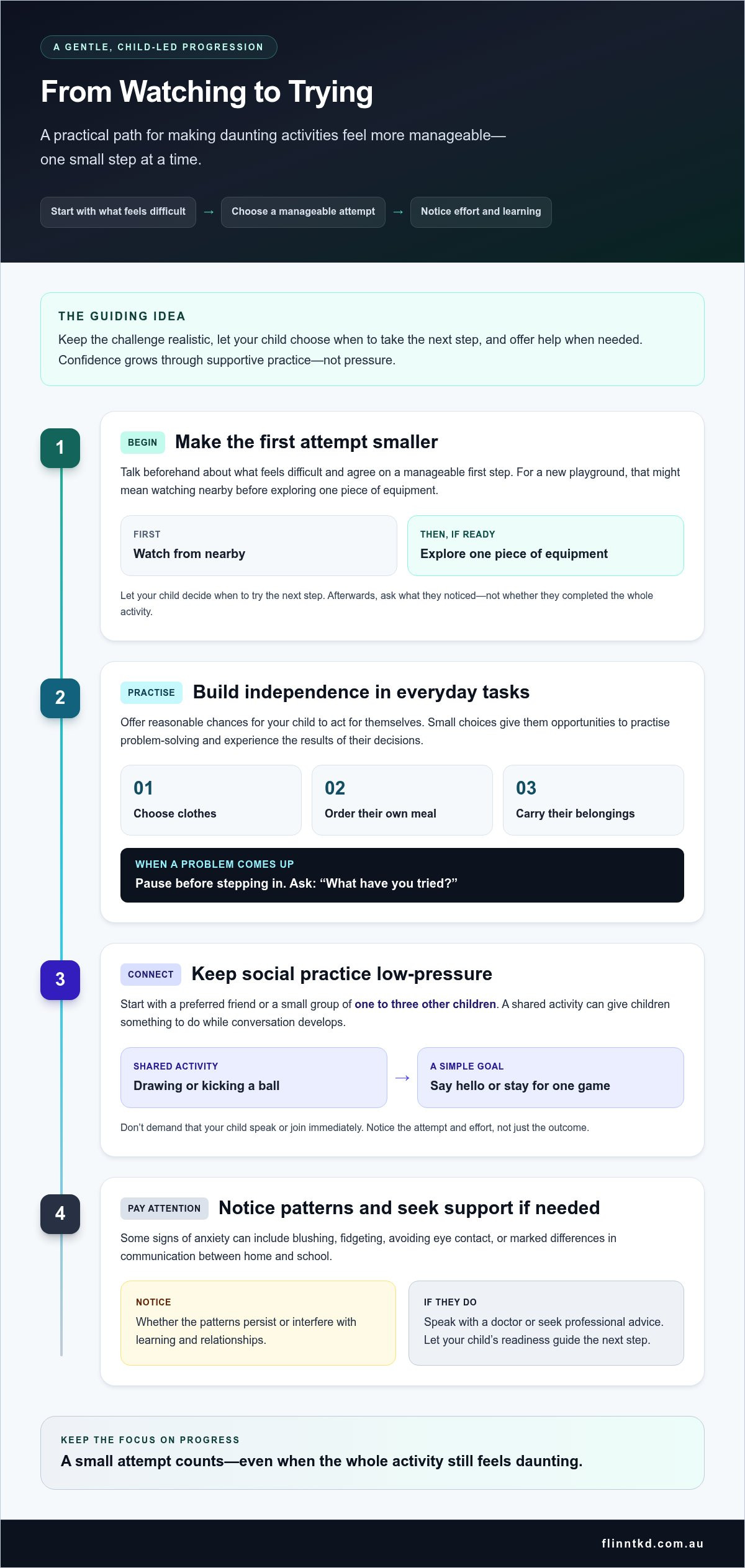
Make a daunting activity more approachable by breaking it into small steps. If your child avoids a new playground, begin by watching from nearby, then invite them to explore one piece of equipment. Let them choose when to try the next step. This gradual approach helps children practise facing uncertainty without being pushed beyond their comfort zone. Talk beforehand about what feels difficult and agree on a manageable first attempt. Afterwards, ask what they noticed rather than judging whether they completed the whole activity.
Build independence with everyday tasks that give your child reasonable chances to act for themselves. They might choose their clothes, order their own meal or carry their belongings. Pause before stepping in if a problem arises. Ask, “What have you tried?” and give them time to think. These small decisions help children practise problem-solving and experience the results of their choices. Keep the task challenging but realistic, and offer help when needed.
Social confidence can grow through familiar, low-pressure interactions. Arrange a playdate with a preferred friend, or start with a small group of one to three other children. A shared activity, such as drawing or kicking a ball, gives children something to do while conversation develops. Don’t demand that your child speak or join immediately. Instead, agree on a simple goal, such as saying hello or staying for one game. Notice the attempt and effort, not just the outcome.
Shyness may warrant closer attention when it causes ongoing difficulty with day-to-day life. Signs of anxiety can include blushing, fidgeting, avoiding eye contact or marked differences in communication between home and school. If these patterns persist or interfere with learning and relationships, speak with a doctor or seek professional advice. For practical movement-based challenges, children’s martial arts training can offer structured opportunities to practise new skills, follow instructions and persist through effort. Let your child’s readiness guide the next step.
3. Communication skills and confidence
Support communication without turning speech into a test. Ask your child an open question, then allow time for an answer. If they’re quiet at a family gathering, don’t demand a greeting in front of everyone. Offer a choice: they could wave, say hello with you or join when ready. At home, practise expressing an opinion during a relaxed conversation, including respectful disagreement. These small interactions help children find words for their thoughts and feel heard.
Adults can model communication skills through their own behaviour. Show how to listen, take turns and ask for clarification. For example, say, “I didn’t understand that. Could you explain it again?” Children learn by watching adults, then trying similar approaches in familiar situations. A teacher or trusted adult can also make activities easier to join by explaining what will happen and giving the child a clear role, such as handing out materials.
Teach coping skills during calm moments, not only when a challenge arises. Practise counting to ten or taking a slow breath together, then remind your child to use that strategy before asking a question at school. Afterwards, talk about what helped and what they might try next time. Focus on using a skill, rather than expecting every situation to feel easy.
Yes, a Brisbane school can help connect families with a mental health professional, and a paediatrician is another pathway. Ask the school whether a guidance officer can support your child and what community support options are available.
When talking with your child’s school, share specific examples: “They speak freely at home but rarely ask questions in class.” Ask the teacher what they observe during lessons, group activities and breaks. Discuss whether teasing or communication difficulties may affect participation, then agree on a practical support step, such as giving your child time to respond. Follow up with the teacher to discuss what has changed.
4. Building confidence through children’s strengths
A strengths-based approach to confidence starts with noticing what your child enjoys, not what others expect. They might focus deeply on puzzles, care for animals, remember stories or make imaginative drawings. Name the action you see: “You kept trying different pieces until the puzzle fit.” Specific observations help children connect effort with ability, rather than hearing general praise they can’t link to something they did.
Use your child’s interests as a bridge to expressing ideas and feelings. If they love dinosaurs, invite them to explain a favourite fact, draw a dinosaur scene or choose a related library book. Let them lead the conversation. Their enthusiasm gives them familiar words and a sense of purpose, which can make sharing with parents or friends feel more natural. Sometimes a quiet child communicates most freely through making, movement or play.
Build social opportunities around what your child already likes. A child who enjoys building might invite a friend to create a cardboard fort; a keen gardener could show a classmate how to plant seeds. Shared tasks provide a clear focus, while small decisions let children practise leadership. Keep the activity open-ended so they can cooperate without needing to perform or compete. Notice how your child contributes, whether by listening, problem-solving or helping someone else.
Turn strengths into a learning strategy, not a fixed label. If your child is thoughtful, ask how that quality could help with a new challenge. If they’re persistent with art, connect that persistence to practising a tricky skill. Avoid saying, “You’re the clever one,” which can make mistakes feel like a threat to their identity. Instead, describe the process: “You tested another idea after the first didn’t work.” This helps children see confidence as something they can develop through practice.
Choose one interest this week and create a low-pressure chance to share it. Explore confidence-building next steps for your child.
Flinn Taekwondo Academy: Little Tigers Program (4-6 years)
Flinn Taekwondo Academy’s Little Tigers Program (4-6 years) gives young children an opportunity to develop confidence through Taekwondo. It can suit families looking for an active way to support a child’s discipline, self-belief and physical fitness. Learning movements and practising skills gives children achievable steps to work through, while training introduces them to martial arts in an age-specific program.
Consider this next step when your child is ready to explore a new activity with guidance and encouragement. The aim isn’t to change a quiet personality; it’s to help your child recognise their progress and grow at their own pace. For older children, the academy also offers a Junior Taekwondo Program (7-12 years).
To learn more, contact Flinn Taekwondo Academy or visit the Flinn Taekwondo Academy website.
Help confidence grow beyond the activity
Confidence isn’t a demand to become louder. It’s the growing belief that your child can make choices, handle challenges and be themselves around others. Keep that broader goal in view as you consider how to build confidence in a quiet child in Brisbane. A useful next step is to notice where your child already feels capable, then find an activity that lets them practise that capability in a new setting.
Let your child have a voice in choosing what to try. Talk about what interests them, what feels daunting and what support would make starting easier. That shared decision can turn a parent’s plan into a goal your child owns. If structured training feels like a good fit for your family, explore a next step with Flinn Taekwondo Academy. Keep the first step manageable, and let your child’s effort guide what comes next.
常見問題
How to raise confident kids?
Give children regular chances to contribute and see that their ideas matter. For example, invite your child to help plan a family outing by choosing between two destinations, then let them take responsibility for one small part, such as packing a book. Afterwards, talk about what they decided and learned. This builds confidence through participation, not pressure to impress others.
How can parents build confidence in a quiet or shy child?
Let your child participate in ways that feel comfortable, including writing, drawing or using a gesture. Before a family gathering, agree on a simple signal they can use if they need support. Stay nearby, but give them time to respond rather than answering on their behalf. This helps them feel supported while keeping control over how they engage.
What activities help shy children practise social skills and self-confidence?
Choose activities with a shared focus, such as cooperative board games, group art projects, drama games or a martial arts class. A clear activity gives children something to do together, which can make interaction feel less demanding than unstructured conversation. Let your child help choose, then ask what they enjoyed or would change before deciding whether to try it again.
What Brisbane sports, drama, or group activities are welcoming for shy children?
In Brisbane, consider a small-group activity centred on movement, creativity or a shared interest. Taekwondo offers structured practice, while drama games give children playful ways to express ideas. Flinn Taekwondo Academy offers children’s classes, including a self-defence focus, in a supportive environment. Ask your child what interests them, then agree on what could make a first visit manageable.