What if the best activity isn’t the one that tires your child out, but one that gives them safe, steady ways to practise self-control? Finding activities for kids who get angry easily north brisbane can feel daunting when outbursts disrupt family routines or make group settings challenging.
Look beyond a busy timetable. The right fit should suit your child’s age, interests and temperament, with clear expectations and adults who can explain how they respond when frustration rises. An activity can offer a constructive place to practise skills, but it isn’t a substitute for extra support when that’s needed.
This guide compares practical options for North Brisbane families, from creative and outdoor activities to structured programs and professional support. You’ll find questions to ask providers about safety, transitions, turn-taking and age suitability, plus signs a class may feel overwhelming. We’ll also look at Taekwondo as one option. Flinn Taekwondo Academy is a family-owned North Brisbane school with programs for children aged 4-6 and 7-12. The aim is to help you choose a supportive next step at your child’s pace.
主要心得
- Anger is an emotion, not a full picture of your child. Activities can offer practice with movement, communication and manageable challenges.
- Compare activities for kids who get angry easily north brisbane by structure, social demands, physical intensity and room for choice.
- Before enrolling, ask providers how they handle frustration, transitions, turn-taking, safety and requests for a break.
- Make a simple plan: explore your child’s interests, shortlist options, ask questions, attend and review the experience together.
- Taekwondo may suit children who enjoy coached movement and clear routines, but your child’s comfort, interests and age should guide the decision.
Activities for kids who get angry easily in North Brisbane: what parents should know
Anger is an emotion, not a complete description of your child. A child who gets angry may also be tired, disappointed, overwhelmed or struggling to explain what they need. If you’re weighing up activities for kids who get angry easily north brisbane, look for a setting where your child can practise skills without expecting one class to change everything.
Movement, creative projects, outdoor play and coached group activities offer different kinds of practice. A predictable routine can help a child know what comes next, while a manageable challenge gives them a chance to pause, communicate or try again. Focus on the fit, rather than choosing an activity simply because it’s supposed to “burn off” anger.
What makes an activity supportive? It matches your child’s age, interests and coping needs, with expectations they can understand and adults who respond calmly when challenges arise.
What might sit behind a child’s angry reactions?
Notice the context, not just the outburst. Does frustration tend to appear when your child is tired, asked to stop a preferred activity, waiting for a turn or finding it hard to express a need? These observations can help you judge whether a class’s pace, transitions and social demands are likely to feel manageable.
Occasional frustration is different from repeated behaviour that affects safety or makes everyday routines and relationships difficult. Patterns don’t reveal a diagnosis by themselves. If you’re concerned, keep a simple record of what happened before and after, and discuss it with a qualified professional. General anger management strategies can offer background, but individual advice should reflect your child’s needs.
What can an activity realistically offer?
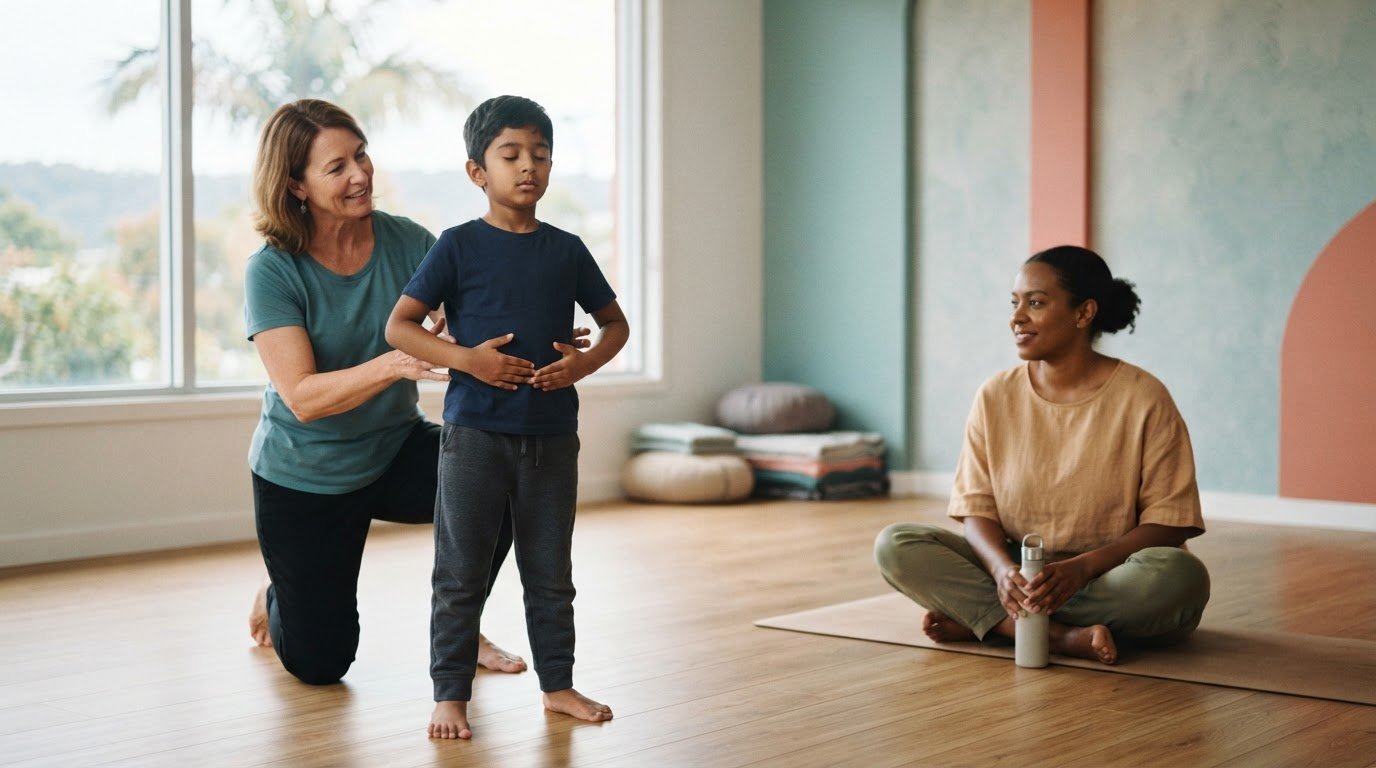
A well-matched activity can create opportunities to follow a routine, wait, cooperate, communicate and recover after a mistake. A child might practise taking turns in a game or listening for the next instruction in a coached class. These are chances to practise, not proof that they’ll respond the same way in every setting.
Progress varies between children and may depend on consistency, adult support and how comfortable the child feels. Look for small signs of fit, such as being able to rejoin after a pause or showing interest in returning. One difficult session doesn’t necessarily tell you how the activity will feel over time.
An activity offers skill practice, not treatment for anger or a guarantee of behaviour change. It can sit alongside other support, but shouldn’t replace professional guidance when concerns persist or daily life and safety are affected.
Five activity types for North Brisbane kids who get angry easily
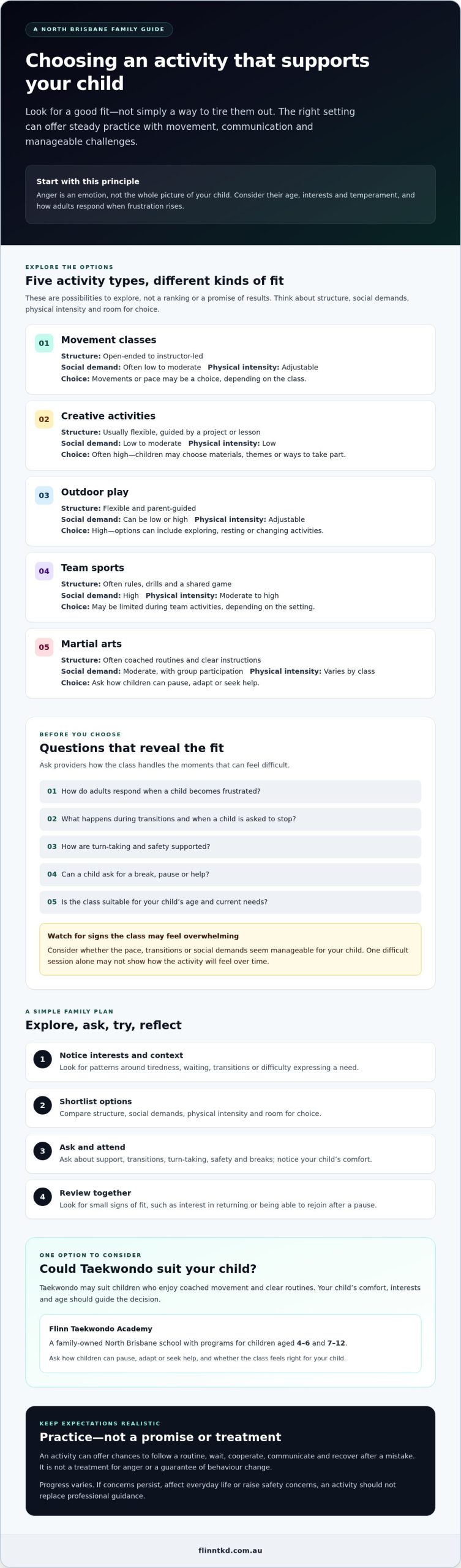
No single activity suits every child. Use this comparison to consider what your child might enjoy, then weigh up the structure, group demands and opportunities to choose or pause. These activities for kids who get angry easily north brisbane are options to explore, not a ranking or a promise of particular results.
| Activity type | Structure | Social demand | Physical intensity | Opportunities for choice |
|---|---|---|---|---|
| Movement classes | Varies from open-ended to instructor-led | Often low to moderate | Adjustable | Children may choose movements or pace, depending on the class |
| Creative activities | Usually flexible, with a project or lesson as a guide | Low to moderate | Low | Often high, through materials, themes or ways to take part |
| Outdoor play | Flexible and parent-guided | Can be low or high | Adjustable | High, with options to explore, rest or change activities |
| Team sports | Often follows rules, drills and a shared game | 高 | Moderate to high | May be limited during team activities, depending on the setting |
| Martial arts | Often built around coached routines and clear instructions | Moderate, with group participation | Varies by class | Ask how children can pause, adapt or seek help |
Movement and outdoor activities
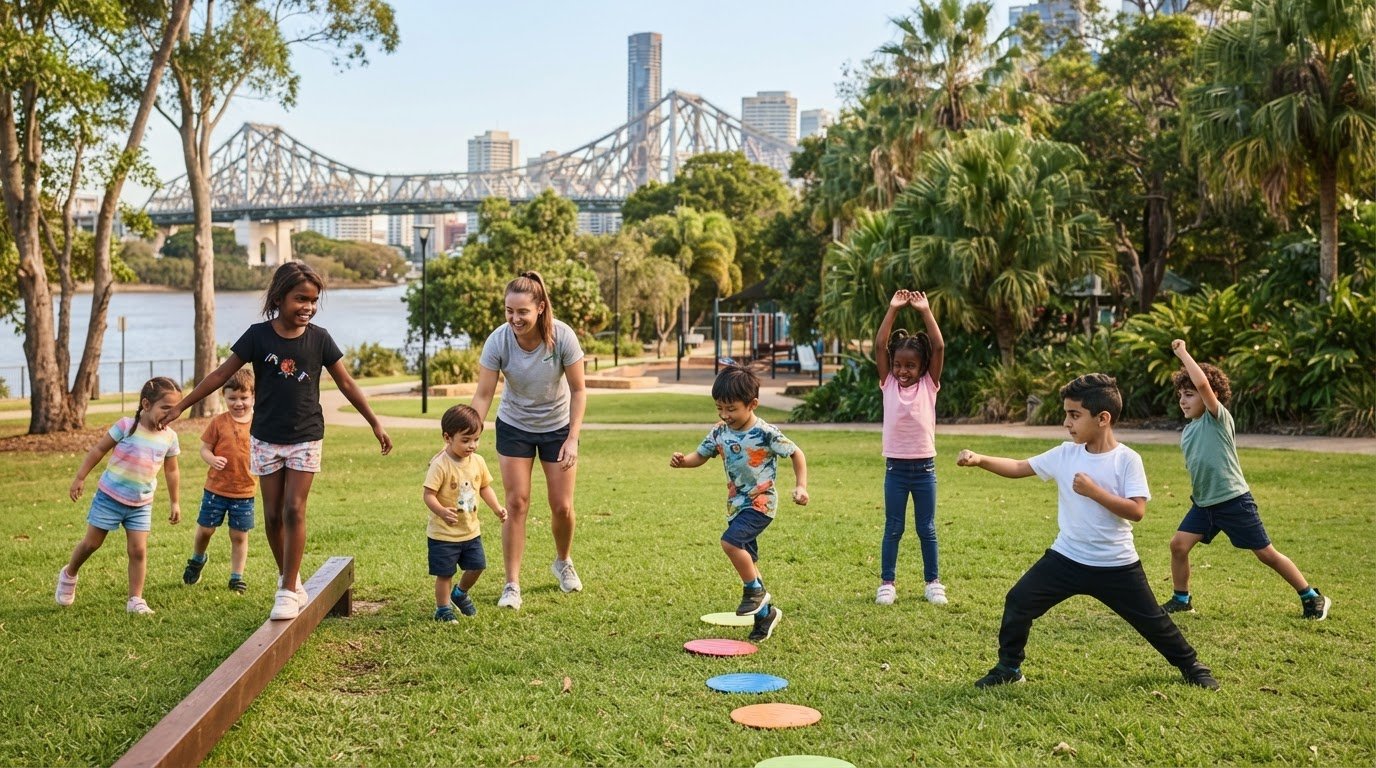
Swimming, cycling, playground visits and non-competitive movement classes are ways to explore physical activity without committing to a formal team. Notice how your child responds during and after: does the pace seem enjoyable, or do noise, exertion or transitions leave them overwhelmed? Start with a manageable session and allow time to recover before adding another activity. At a park, you can adjust the pace or change activities as you go.
Creative activities, team sports and martial arts
Drawing, music and drama offer different ways to participate, often with room for individual expression. Team sports involve shared rules, waiting and group decisions. Competition, noise and group size may energise one child and feel uncomfortable for another. Martial arts classes may include structured routines and coached turn-taking. Contact and class expectations vary, so ask providers what participation involves. For background on Taekwondo, see this complete Taekwondo guide for Brisbane families.
Use your child’s interests and comfort to guide your shortlist. If Taekwondo is one possibility, explore Flinn Taekwondo in North Brisbane and ask about age suitability, class structure and how instructors support children who need a pause.
How to choose a supportive children’s activity in North Brisbane
A welcoming class depends on more than the activity itself. Your child should be able to understand what will happen, know who to approach for help and feel that adults will respond respectfully if frustration builds. As you compare activities for kids who get angry easily north brisbane, ask practical questions about how the setting works, not just what’s on the timetable.
Questions to ask before enrolling
- Structure: What does a typical session involve? How are class rules introduced, and how are children guided through transitions between activities?
- Frustration and breaks: What do instructors do if a child becomes upset, struggles to take turns or needs a break? Is there a clear way to rejoin?
- Communication: How will instructors share relevant observations or concerns with caregivers? Who should you speak to if your child needs extra support settling in?
- Age and expectations: Which age group is appropriate, and what is expected of children during a session? Check current age placements, class availability, location and enrolment steps directly with the provider.
- Safety and comfort: How are activities supervised, and what happens if a child doesn’t feel ready to join in straight away?
Specific answers are more useful than broad assurances. For example, “we help children take a pause and explain how they can rejoin” gives you a clearer picture than “we’re good with kids.” If you’re considering martial arts, this North Brisbane martial arts selection guide can help you compare what different schools offer.
Signs the activity may or may not fit
Look for clear expectations, respectful communication and instruction suited to your child’s age. Initial nerves don’t automatically mean a class is wrong for them. Notice whether your child can observe, ask for help or take part in a small way while getting familiar with the group.
Reconsider the fit if distress continues, your child feels pressured beyond their comfort or staff can’t explain how they respond to frustration. A good match doesn’t need to feel perfect on the first visit, but it should give your child a reasonable sense of safety and a supportive path into participation.
If Taekwondo is on your shortlist, learn more about Flinn Taekwondo Academy and check directly whether the age group, class expectations and current availability suit your child.
A practical activity plan for families in North Brisbane
Choosing an activity is only the first step. A gradual approach helps you learn whether it suits your child without turning each session into a test. Use this plan to compare activities for kids who get angry easily north brisbane and make decisions based on what you observe together.
- Discuss interests. Ask what your child enjoys, what they’re curious about and what might make a new activity feel easier. Offer a few realistic options rather than an open-ended choice.
- Shortlist suitable activities. Consider age, location, timing and the amount of structure or group participation involved. The activity also needs to work for your family’s routine.
- Ask providers questions. Check current availability, age placement, session expectations and how instructors help a child who becomes frustrated or needs a pause.
- Attend with a gentle plan. Explain what to expect beforehand in clear, age-appropriate language. Let your child ask questions and name one part they feel curious about. Agree on a simple check-in afterwards instead of expecting immediate enthusiasm.
- Review and decide together. Ask what felt enjoyable, difficult or surprising. Consider whether to continue, adjust the approach or try something different.
Introduce a new activity without adding pressure
Keep the first conversation simple: describe where you’ll go, who may be there and what your child might do. Avoid promising they’ll love it or insisting they take part in everything. They may prefer to watch briefly before joining, or feel ready to try only one part. If the provider allows, ask ahead how a child can settle in at their own pace.
Review progress with the child and provider
After each session, make a quick note of the context: how your child seemed beforehand, which parts felt comfortable and whether anything was difficult. Look for patterns over time rather than judging success after one visit. Share relevant observations with the instructor, while discussing your child’s experience respectfully and protecting their dignity.
A good-fit activity can support participation and practice, but it can’t promise a quick fix. If distress continues, safety becomes a concern or your child remains reluctant, pause or adjust the activity and talk with the provider. If anger is persistent or affecting daily life, seek advice from your GP or a child-focused professional.
If coached movement and clear routines interest your child, explore Flinn Taekwondo programs and ask whether the class structure and age group may suit them.
Could Taekwondo suit your child? Explore Flinn in North Brisbane
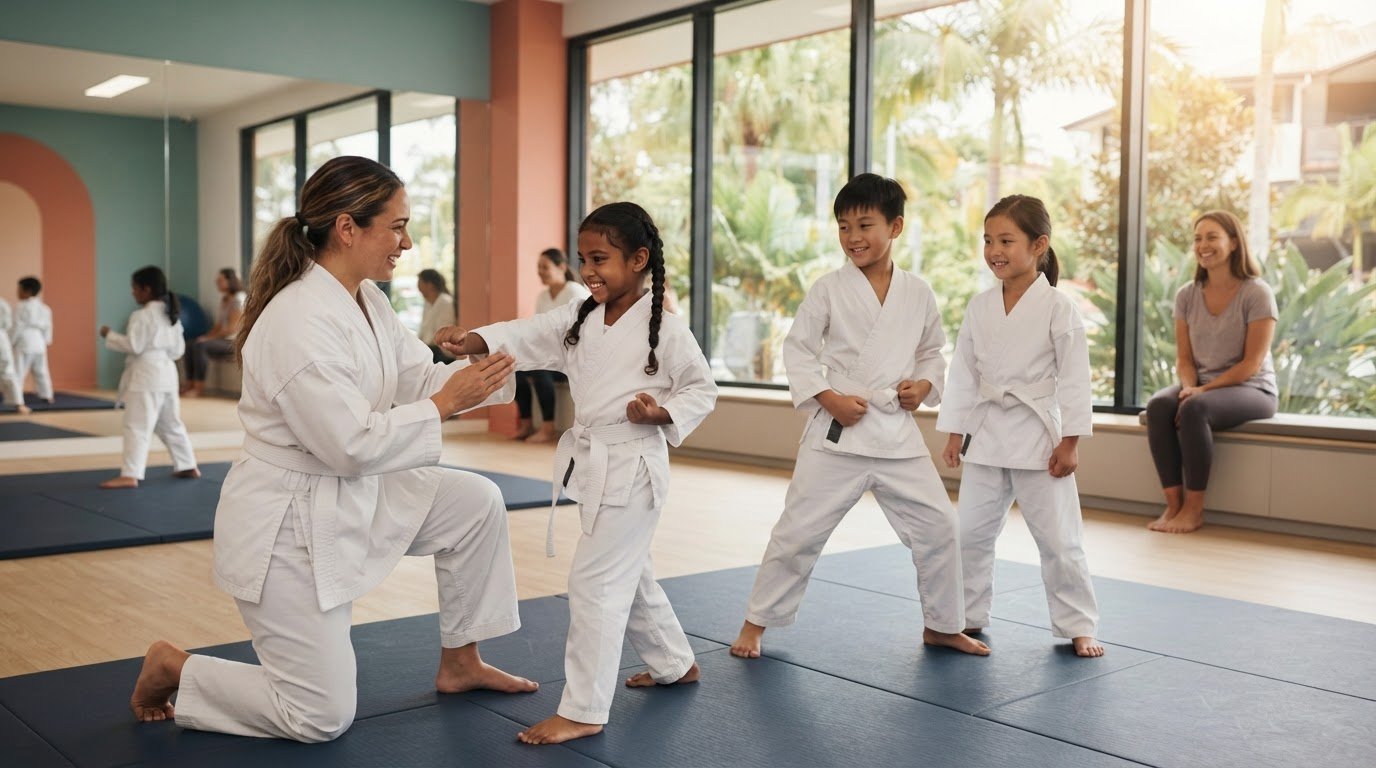
Taekwondo may be worth considering if your child enjoys moving, learning a clear routine and practising alongside a group with instructor guidance. A structured class can involve instructions, turns and transitions, so the key question is whether that environment feels manageable and engaging for your child. It’s one option among many, not a treatment for anger or a guaranteed way to change behaviour.
For families comparing activities for kids who get angry easily north brisbane, suitability comes down to your child’s interests, age and comfort with the class format. Some children enjoy a predictable sequence and coached group practice; others may prefer a quieter activity or need more time to feel at ease. Consider how your child responds to group noise, waiting, new instructions and opportunities to ask for help.
What families can consider about Flinn’s children’s classes
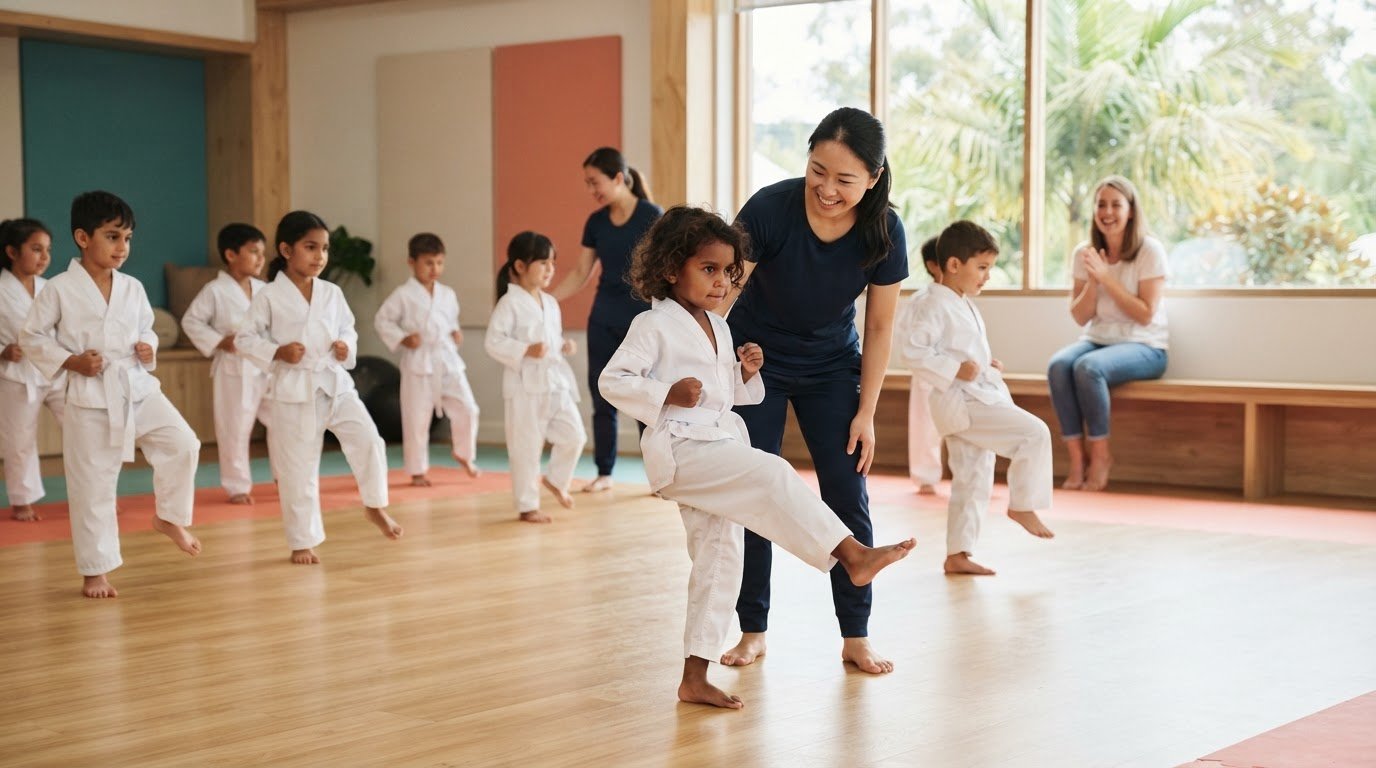
Flinn Taekwondo Academy is a family-owned North Brisbane school with age-specific children’s programs: Little Tigers for ages 4-6 and Junior Taekwondo for ages 7-12. Classes are led by experienced instructors, including Master Jeff Flinn, a 7th Dan Black Belt with international accreditation.
Before deciding, ask how a typical class is organised and how instructors help children settle into a group. You can also ask what happens if a child becomes frustrated, needs a break or finds turn-taking difficult. For more detail about the older children’s program, read the Junior Taekwondo guide for Brisbane families.
Choose the next step that feels right for your family
Review the current program information and contact the academy with questions about age placement, class schedules, enrolment steps and any trial availability. Confirm these details directly, as they may change. If you’re unsure, explain what helps your child feel comfortable and ask how the class can support their first steps into a new routine.
The goal is a safe, encouraging fit where your child can take part at a manageable pace, not a promise to eliminate anger. If the class structure suits your child’s interests and needs, explore Flinn Taekwondo Academy’s children’s programs as one possible next step.
Choose a supportive next step for your child
The best activity is one your child can approach with a sense of safety and interest. As you compare activities for kids who get angry easily north brisbane, consider structure, social demands and physical intensity, then ask providers how they support frustration, transitions and breaks. Give your child time to settle in, and look for patterns across sessions rather than expecting one activity to change behaviour overnight.
Taekwondo may suit a child who enjoys movement and coached routines, but it isn’t a treatment for anger or a guaranteed solution. Flinn Taekwondo Academy is a family-owned North Brisbane school established in 2013. Led by Master Jeff Flinn, a 7th Dan Black Belt with international accreditation, it offers age-specific Little Tigers for ages 4-6 and Junior Taekwondo for ages 7-12. Check current schedules and enrolment details directly, and ask whether the class feels right for your child.
Explore Flinn Taekwondo Academy’s children’s programs and take the next step at a pace that works for your family. A thoughtful fit can create a positive place to participate and practise, while your child’s progress remains their own journey.
常見問題
What activities are good for a child who gets angry easily?
Activities that suit your child’s interests, age and comfort level are a good place to start. Swimming, cycling, outdoor play, drawing, music and structured group classes all offer different experiences. Consider how much movement, noise, social interaction and routine each involves. One child might enjoy having choices during creative play, while another may prefer a predictable class. Try an activity at a manageable pace and notice how your child responds.
Can martial arts help a child learn to manage frustration?
Martial arts classes can give children opportunities to practise following instructions, waiting for a turn and trying again after a challenging moment. How useful that practice feels depends on the class environment, instructor approach and individual child. Ask how the instructor responds when a child becomes frustrated or needs a break. Martial arts isn’t a treatment for anger, and participation can’t guarantee behaviour change. Seek individual professional advice if you’re concerned.
Is Taekwondo suitable for a child who struggles with anger?
Taekwondo may suit a child who enjoys movement, clear routines and coached group practice, but it isn’t right for every child. Consider their age, interests and comfort with instructions, transitions and participating alongside others. Flinn Taekwondo Academy offers Little Tigers for ages 4-6 and Junior Taekwondo for ages 7-12. Ask about class expectations and settling-in support, then check current age placement and availability directly with the academy.
How do I choose a children’s activity in North Brisbane?
Compare activities by structure, social demands, physical intensity and how much choice your child has. For activities for kids who get angry easily north brisbane, start with an option that feels manageable and matches your child’s interests, rather than searching for a universal “best” activity. Check the provider’s location, age group, session format and current availability. After attending, review together what felt comfortable or difficult instead of deciding based on one moment.
What should I ask an instructor before enrolling my child?
Ask what a typical session looks like, how children learn the rules and what happens during transitions. Find out how instructors respond if a child feels frustrated, needs a break or has trouble waiting for a turn. You can also ask how they communicate with caregivers about participation or concerns, and how they help a child settle into a new group. Confirm age suitability, class expectations and current enrolment details directly.
Can sport make angry behaviour worse?
Sport can feel overwhelming for some children, especially if competition, noise, contact, group size or physical intensity doesn’t suit them. That doesn’t mean sport will make every child’s behaviour worse. Watch for ongoing distress or reluctance, and ask whether the provider can explain expectations and support a pause. If the activity continues to feel uncomfortable, consider adjusting the approach or exploring a different option with your child.
When should I seek professional help for my child’s anger?
Consider speaking with your GP or a child-focused professional if anger is persistent, affects daily routines or relationships, or raises concerns about anyone’s safety. A professional can help you understand what support may suit your child and family. You can note when reactions happen and what seems to come before or after them, then share those observations. Activities may offer practice and enjoyment, but they don’t replace individual guidance when it’s needed.