Confidence can grow before a child thinks of themselves as sporty. Sports for non-athletic kids to build confidence in Brisbane can start with playful movement, manageable challenges and teamwork, rather than pressure to win or perform perfectly. Children get room to try, learn and discover what their bodies can do.
If your child hangs back, avoids competition or worries about getting things wrong, it’s understandable to wonder whether organised sport will suit them. A supportive activity can make movement more welcoming: progress comes from taking part, practising at a comfortable pace and trying again after a setback.
This article explains how playful movement can support confidence, fitness and friendships, what to consider when choosing activities for different ages and abilities, and how structured martial arts training can offer a positive place to begin. Encouragement, clear guidance and a sense of belonging matter as much as the activity itself.
主要心得
- Start with playful movement and manageable challenges so your child can practise, try again and build confidence at their own pace.
- Choose an activity that suits your child’s age, comfort and interests; the right fit matters more than early competition.
- Look for opportunities to move, cooperate and celebrate small steps, helping children develop fitness and feel part of a group.
- For structured martial arts training, Flinn Taekwondo Academy offers age-based programs, including Little Tigers for ages 4-6 and Junior Taekwondo for ages 7-12.
Building confidence through movement and play
Parents can encourage an anxious child by offering a manageable activity, practising together and praising effort rather than performance. A gentle start gives them space to explore movement without pressure.
Encouraging Anxious Beginners
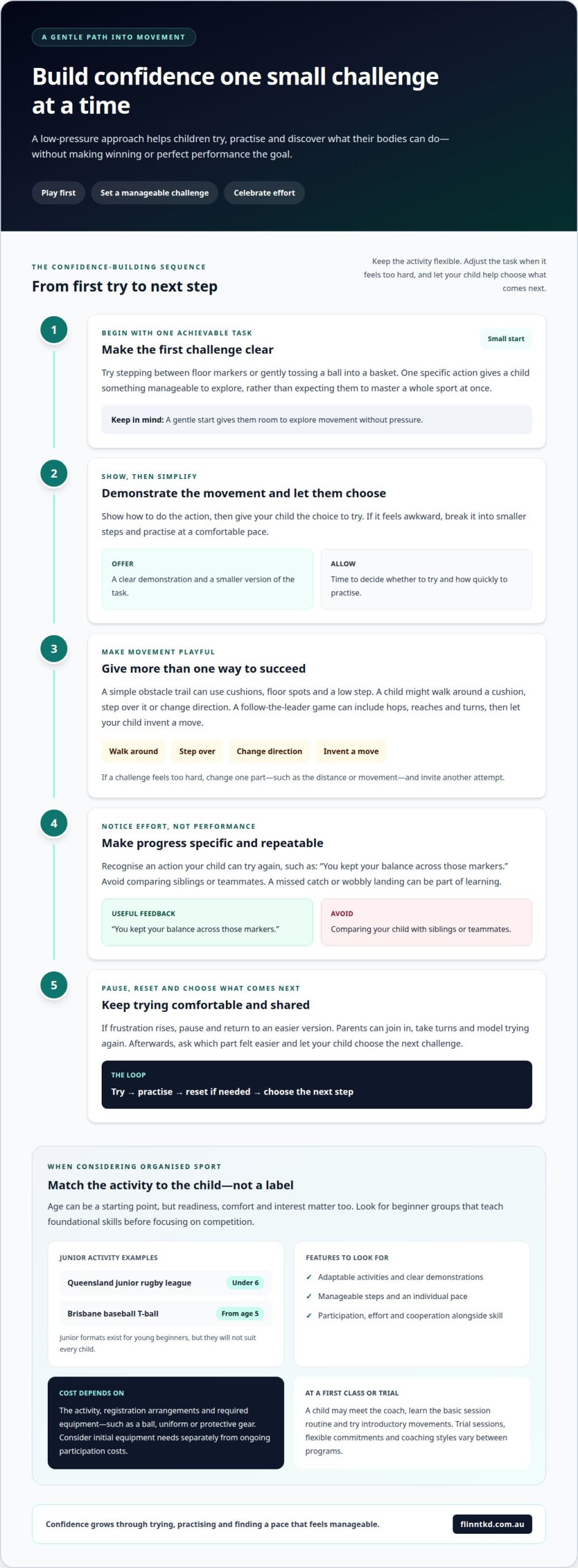
Begin with one clear, achievable challenge, such as stepping between floor markers or gently tossing a ball into a basket. Demonstrate the movement, then let your child decide whether to try. If they feel awkward, break the action into smaller steps and practise at a comfortable pace. This offers a specific way forward instead of expecting them to master a whole sport at once.
Clint Bauer recommends safe, pressure-free physical challenges to help children recognise their abilities and prepare for bigger challenges. Make encouragement specific: “You kept your balance across those markers” recognises an action your child can repeat. Avoid comparing siblings or teammates. After an attempt, ask which part felt easier and let your child choose what to try next.
Repeated attempts also teach children that a missed catch or wobbly landing is part of learning. Pause if frustration rises, then return to an easier version of the task. Parents can join in, take turns and model trying again, making the activity feel shared rather than like a test.
Confidence Through Play
Playful activities let children move creatively without one fixed way to succeed. Try a simple obstacle trail using cushions, floor spots and a low step. A child might walk around a cushion, step over it or change direction. Having that choice supports independence while inviting them to practise balance, coordination and body control.
Clint Bauer also recommends movement challenges that let children use their bodies creatively and recognise their strength. Keep the goal clear but flexible: travel from one room to another using small steps, big steps or a sideways shuffle. Celebrate the choice and effort, not speed. If a challenge feels too hard, change one part, such as the distance or movement, and invite another attempt.
Unstructured play can also help children discover movements they enjoy before taking on formal rules or competition. A backyard follow-the-leader game, for example, lets a child copy a parent’s hops, reaches and turns, then invent a move. If they stumble, they can reset and try again. That cycle of choosing, practising and improving makes progress visible and helps build confidence through movement.
Sports for different ages and skill levels
Choose a starting activity based on your child’s age, comfort and current skills, not a label like “sporty”. In Brisbane, children can explore movement through informal games, beginner sessions or organised programs with clear, achievable steps.
Age gives families a useful starting point, but readiness and interest matter too. Queensland junior rugby league competitions start at under 6, while Brisbane baseball can begin with T-ball from age 5. These examples show that junior formats exist for young beginners, but they won’t suit every child. A child who prefers individual practice may feel more comfortable with simple movement challenges before joining a team activity.
There isn’t one set cost for beginner sport in Brisbane. The total depends on the activity, registration arrangements and any required equipment, such as a ball, uniform or protective gear. When comparing programs, consider initial equipment needs separately from ongoing participation costs.
Free movement can begin with a family game at a local park, such as kicking a ball between two markers or practising catches. Organised low-cost options depend on the activity and its equipment needs. Programs using shared or basic equipment can reduce what a beginner needs to get started.
For a low-pressure experience, look for beginner groups that teach foundational skills before focusing on competition. For a shy child or one with disability, useful features include adaptable activities, clear demonstrations, manageable steps and room to participate at an individual pace. These are coaching features to look for, rather than claims about a particular Brisbane club.
At a first class or trial, a child can expect to meet the coach, learn the basic session routine and try introductory movements. A beginner-friendly class might practise a simple pass, balance exercise or footwork pattern before adding complexity. Trial sessions, flexible commitments and coaching styles vary between programs, so compare the session structure and expectations against your child’s needs.
Confidence, fitness and social connection
Relay games, beginner ball skills and movement circuits can help children practise coordination while offering different ways to join in. Choose a format where effort, participation and cooperation matter alongside physical skill.
Confidence and Coordination
A simple circuit can build familiarity with different movements: step between markers, balance briefly, then toss a beanbag towards a target. Each task gives children a clear action to practise. Coaches or parents can adjust the distance, pace or movement to make the next attempt achievable. Notice specific progress, such as steadier steps or a more controlled throw, rather than comparing children.
Sports also let children practise useful movement patterns in an engaging setting. In a beginner ball game, tracking a pass, moving into position and catching or kicking involve different coordination skills. A child who misses can reset and try again. These visible steps show that skills develop through practice, while active games offer chances to move, change direction and use the whole body.
Social Skills Through Sport
Group activities create practical opportunities to communicate and cooperate. During a relay, children can take turns, listen for a teammate’s signal and encourage the next person. In a small-sided passing game, they can practise sharing the ball and noticing where others are standing. These actions give shy beginners a clear role, even before they feel ready to speak much.
Look for sessions where the coach explains the activity, demonstrates the rules and gives every child a way to participate. For example, a child who feels unsure about joining a team game might start by passing with one partner, then join a small group. Consistent routines, such as greeting teammates and taking turns, make social expectations easier to follow. Praise helpful actions, such as waiting patiently or inviting someone into a game.
Fitness and connection can grow through the same activity. A cooperative obstacle course asks children to move between stations while helping a partner remember the sequence. The focus is completing the task together, not ranking ability. For a child who avoids competition, a shared goal can make participation more comfortable and give them a meaningful contribution to the group.
Confidence, friendships and teamwork
Shared goals give children a reason to connect beyond winning. In a paired passing drill, each child contributes by returning the ball, calling a teammate’s name or moving into position. These small roles help a quieter beginner take part without needing to lead the whole group. Look for activities where success depends on cooperation, not just speed or strength.
Teamwork is easier to practise when children know what to do next. A coach might assign one child to collect equipment and another to explain a game rule, then rotate the roles. Clear turns reduce uncertainty and give everyone a useful contribution. Children can also learn to notice effort, such as thanking a teammate for a careful pass or inviting them into the next round.
Friendship takes time, so focus on repeated shared moments rather than expecting an instant bond. A familiar warm-up game, partner rotation or team challenge gives children natural ways to learn names and interact. If your child is hesitant, arriving ready to join one simple activity can make the first interaction easier. Afterwards, talk about one person they worked with and one moment they enjoyed.
Setbacks offer another chance to practise teamwork. If a group misses a target during a cooperative challenge, pause and let the children suggest a new approach. They might move closer, change who starts or take turns leading. This helps children see mistakes as useful information, not a reason to blame a teammate. Praise calm problem-solving and supportive words as well as physical effort.
Choose activities that make room for shared effort and individual progress. Explore a supportive next step for your child’s movement journey.
Flinn 跆拳道學院
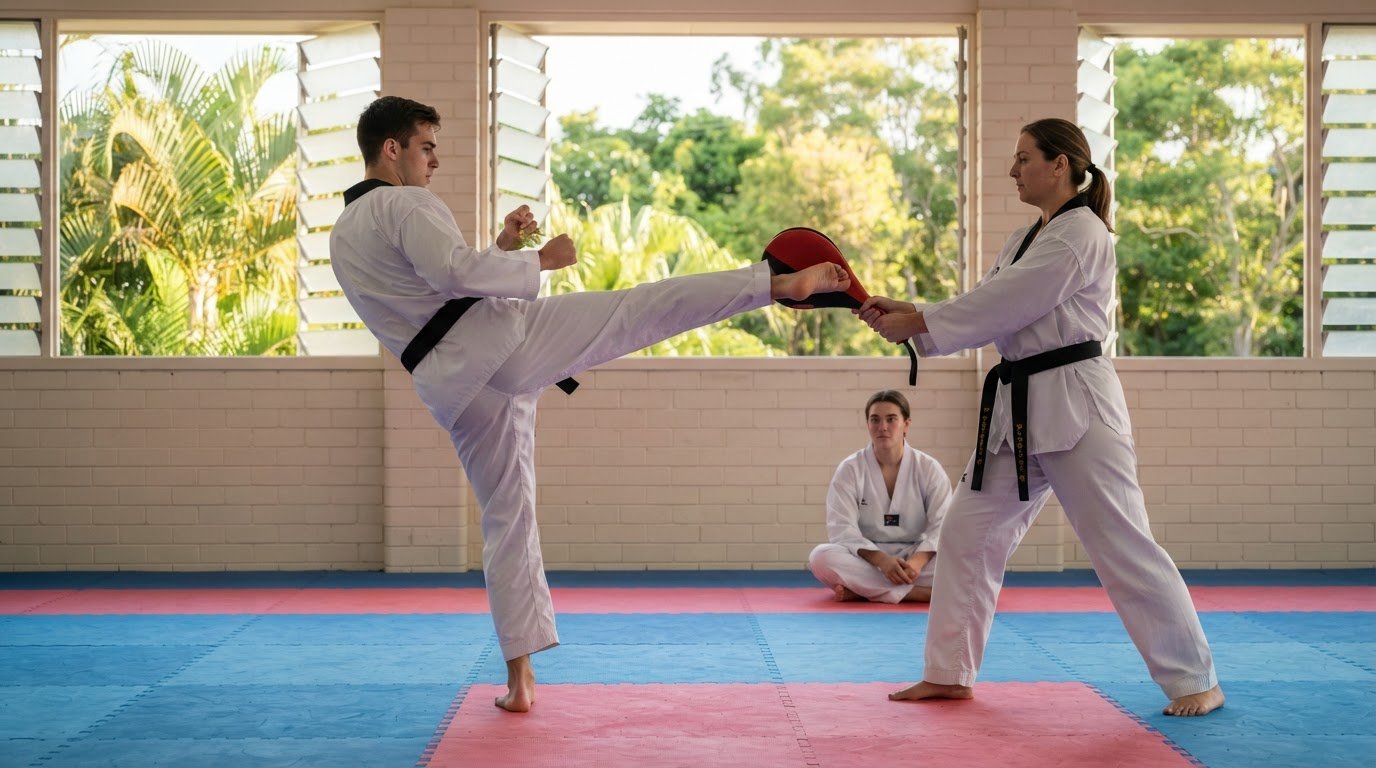
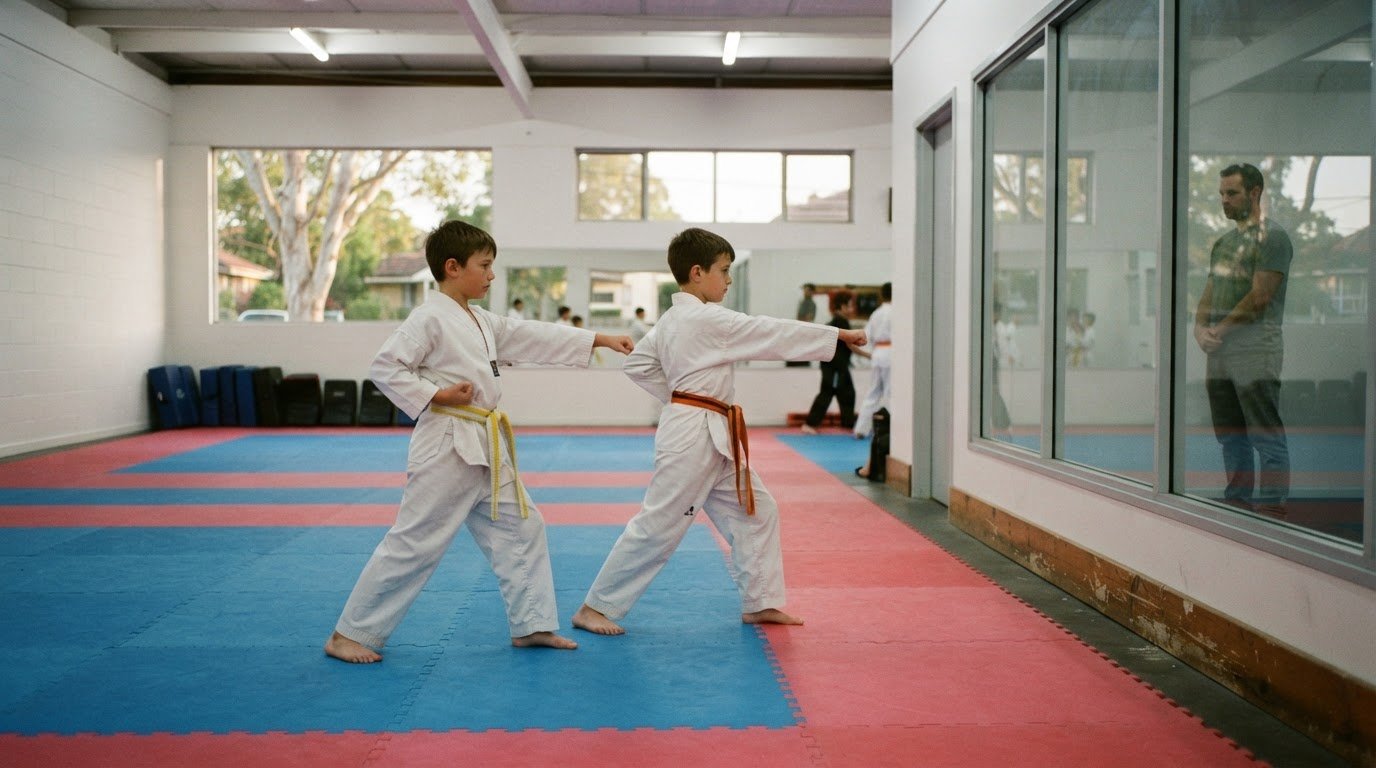
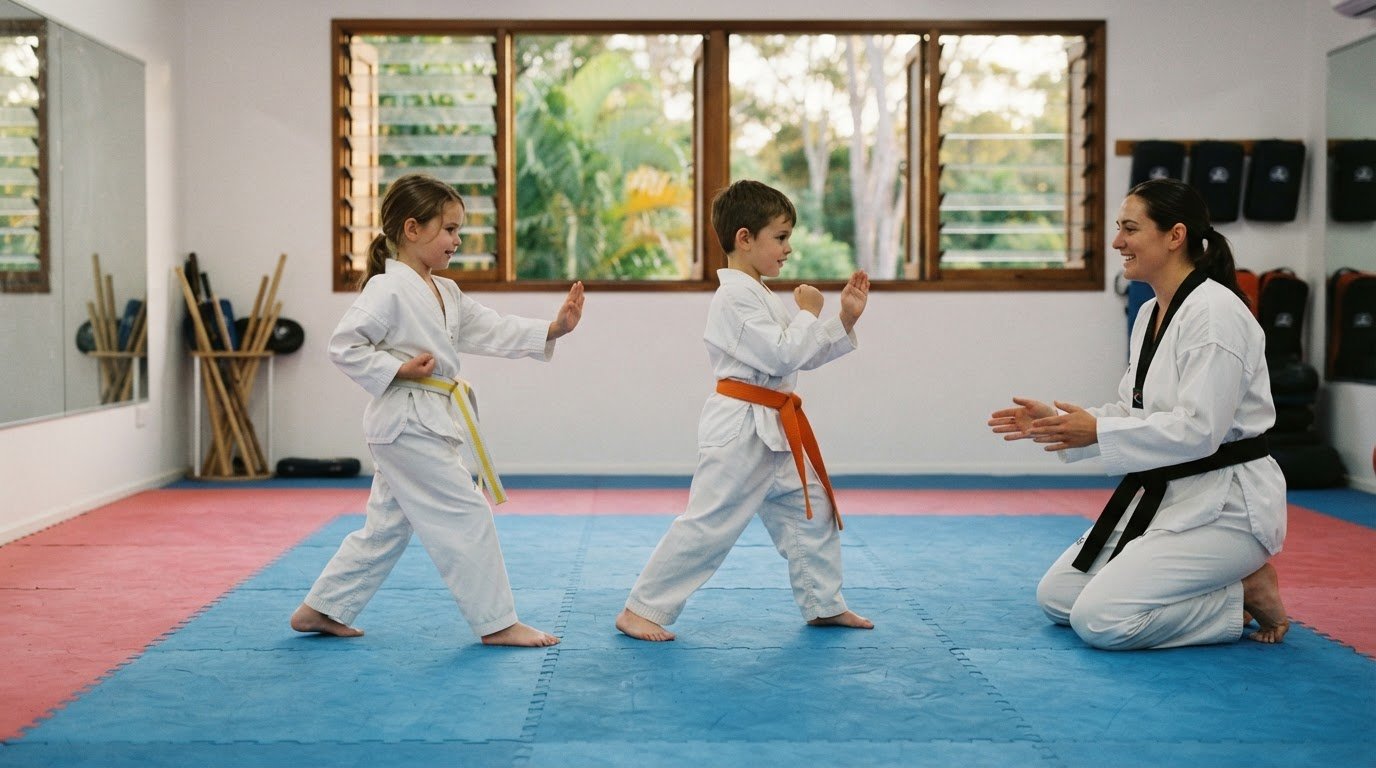
Flinn Taekwondo Academy offers structured Taekwondo training for children who may benefit from clear skill-building and purposeful movement. Its age-based programs provide a starting point: Little Tigers is for children aged 4-6, while Junior Taekwondo is for ages 7-12. Older students can join the Senior & Adult Taekwondo Program, and High Performance Competition Training suits those pursuing competitive development.
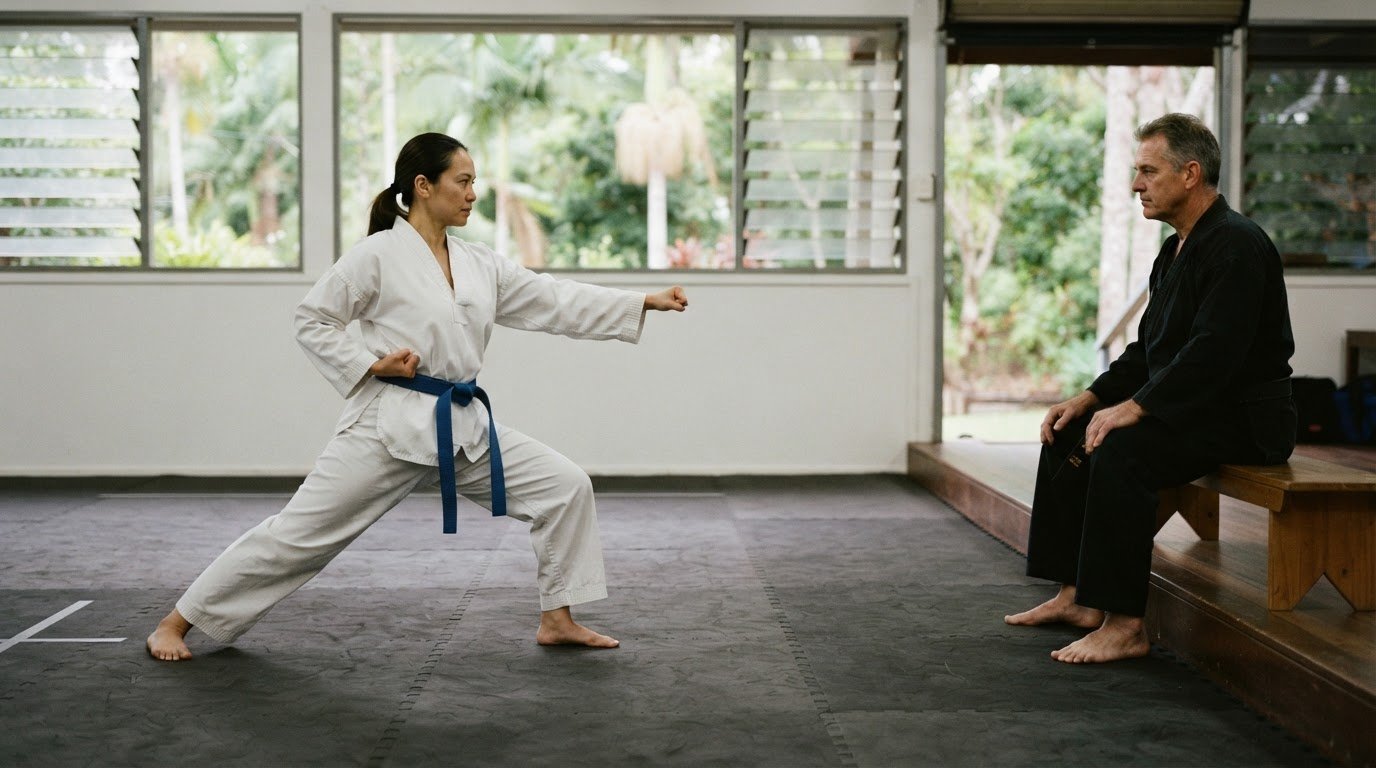
Taekwondo combines physical practice with opportunities to develop discipline, confidence and fitness. At Flinn Taekwondo Academy in North Brisbane, children can learn foundational movements and self-defence skills through Children’s Classes, including a self-defence focus. Poomsae and sparring classes offer further ways to practise. Taekwondo can suit a child looking for guided martial arts training rather than a ball sport or team competition.
Contact Flinn Taekwondo Academy to discuss which program may suit your child’s age and goals.
Choose a first step your child can own
Your child doesn’t need to feel confident before starting. Confidence can begin with choosing an activity, learning one new movement and noticing how it feels to return next time. Let your child help shape that first step. Ask what they’d like to try, what would make a session feel comfortable and which small achievement they’d be proud to share afterwards.
That conversation can turn the search for sports for non-athletic kids to build confidence in Brisbane into a practical decision. Look for a setting where your child can learn at a steady pace, participate without pressure to be the best and gradually feel more at ease with movement. Progress might mean joining in, trying again or greeting someone new. Each is a meaningful step forward.
If Taekwondo feels like a suitable direction for your family, contact Flinn Taekwondo Academy to talk about your child’s goals and the right next step. Contact Flinn Taekwondo Academy and start the conversation when you’re ready. Your child can build confidence one purposeful step at a time.
常見問題
Why get involved?
Getting involved gives your child regular chances to practise movement, follow instructions and contribute to a shared activity. Those experiences can help beyond sport, such as when taking turns in a classroom game or speaking up during a group task. Start with an activity that feels interesting rather than treating sport as a test of natural ability. A positive first experience can make trying another activity feel easier.
What beginner-friendly sports in Brisbane suit non-athletic children?
Beginner-friendly options for sports for non-athletic kids to build confidence Brisbane families can explore include T-ball, introductory ball games and Taekwondo. T-ball may suit a child who likes learning a clear sequence, while Taekwondo offers structured martial arts practice. For a child unsure about team play, an activity with individual turns can feel more manageable. Focus on the session style, not just the sport name.
What age groups can join beginner sports programs in Brisbane?
Children can find beginner options across different ages, but each sport sets its own starting stages. Queensland junior rugby league competitions begin at under 6, and Brisbane children can start baseball with T-ball from age 5. Taekwondo programs also cater to young children, school-age participants and adults. Match the session’s movement demands and instructions to your child’s development and interest.
How can parents choose a sport that matches a child’s interests and confidence level?
Notice what your child chooses during everyday play: chasing, balancing, throwing, copying movements or practising alone. Then match that preference to an activity’s format. For sports for non-athletic kids to build confidence Brisbane parents can look for sessions with manageable challenges and a pace that suits their child. Agree on a small first goal, such as learning one movement, then talk together about how the session felt.